REVIEW · MOROGORO REGION
3 DAYS, 2 NIGHTS SAFARI FROM ZANZIBAR TO MIKUMI BY FERRY.
Book on GetYourGuide →Operated by Safe Zanzibar Tours & Safari · Bookable on GetYourGuide
Ferry and train to a real safari. This 3-day, 2-night Zanzibar to Mikumi trip trades a quick flight for an all-day route, so you arrive with time for wildlife and a Maasai village stop. I love the private game-drive feel in Mikumi and the ferry + high-speed train journey that lets you see more of Tanzania than just airports and transfer cars.
The one consideration is simple: Day 1 is a long travel day. You start early, then connect ferry to train before you finally settle in for your first night near Mikumi.
In This Review
- Key things that make this safari work
- Mikumi National Park: Where you trade speed for sightings
- Day 1: Zanzibar to Mikumi through Dar, Morogoro, and a Maasai village at 16:30
- Maasai village visit: A cultural stop built into the safari, not tacked on
- Day 2: The full-day Mikumi safari (early start, steady game drives, park meals)
- Where you sleep: Morogoro hotels versus an in-park camp feel
- Big 4 in Mikumi: How to set expectations without killing the excitement
- Price and value: What $730 includes (and what doesn’t)
- Pace and group size: Small-group comfort without the flight-safari squeeze
- Should you book this Zanzibar to Mikumi safari?
- FAQ
- How do you travel from Zanzibar to Mikumi?
- What are the ferry and train timings?
- Where do you go after arriving in Morogoro?
- Is the safari private?
- What animals can you expect to see?
- Can you see all the Big 4 in Mikumi?
- Are meals included?
- Is alcohol included?
- What should you send before the trip?
Key things that make this safari work
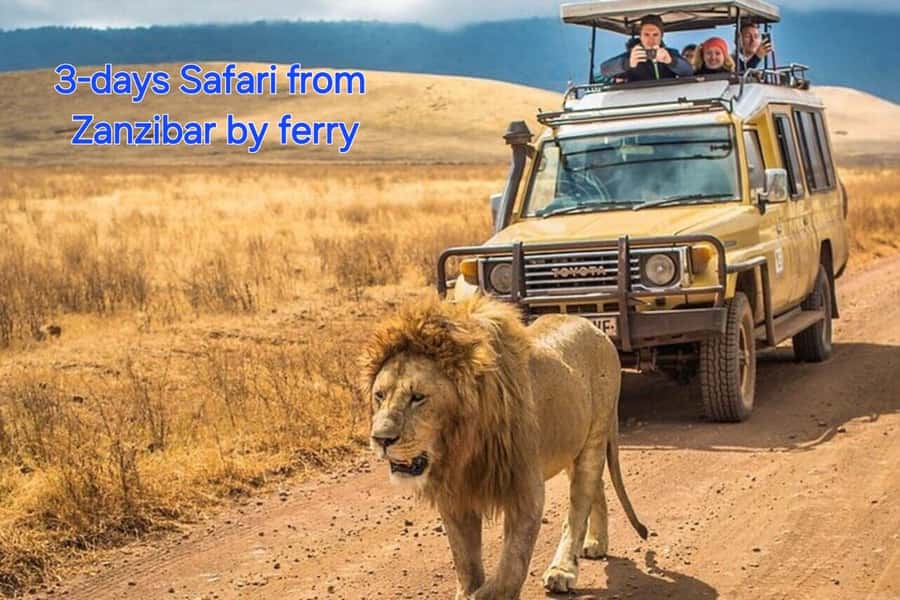
- Big wildlife time in Mikumi with a full-day game drive and lots of animal sightings
- Ferry to Dar es Salaam, then a high-speed train to Morogoro, followed by a park transfer
- A Maasai village cultural visit at 16:30 on Day 1, with time to interact with the people there
- Small group travel plus an English-speaking guide for a calmer pace than flight safaris
- Lodging options in or near the park area, including Double G Safaris Camp reports from past travelers
Mikumi National Park: Where you trade speed for sightings
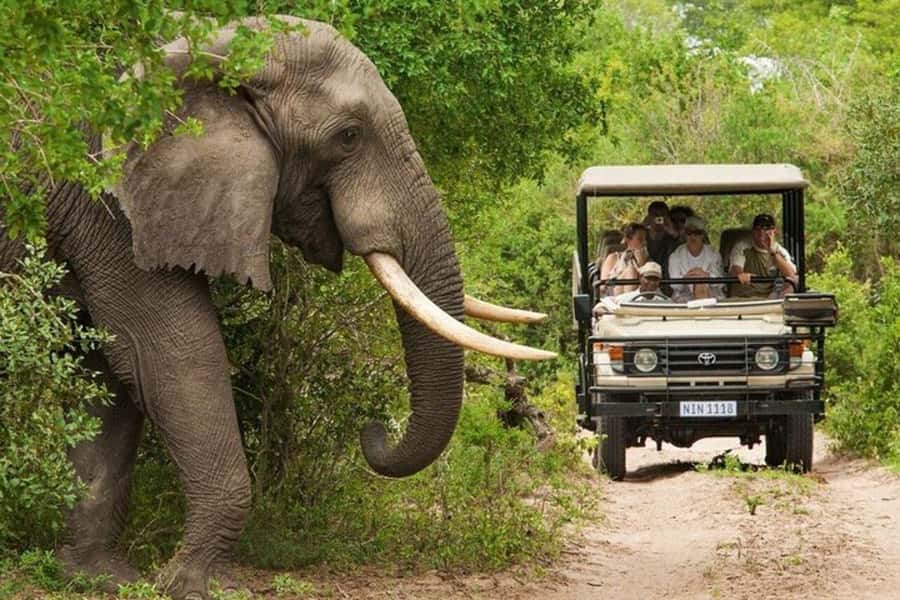
Mikumi is a good pick if you want safari time that feels like safari time. This trip isn’t built around tight schedules and constant refueling stops. Instead, you get a full day out in the park, starting early, with a relaxed rhythm that makes it easier to watch behavior—not just spot animals and rush away.
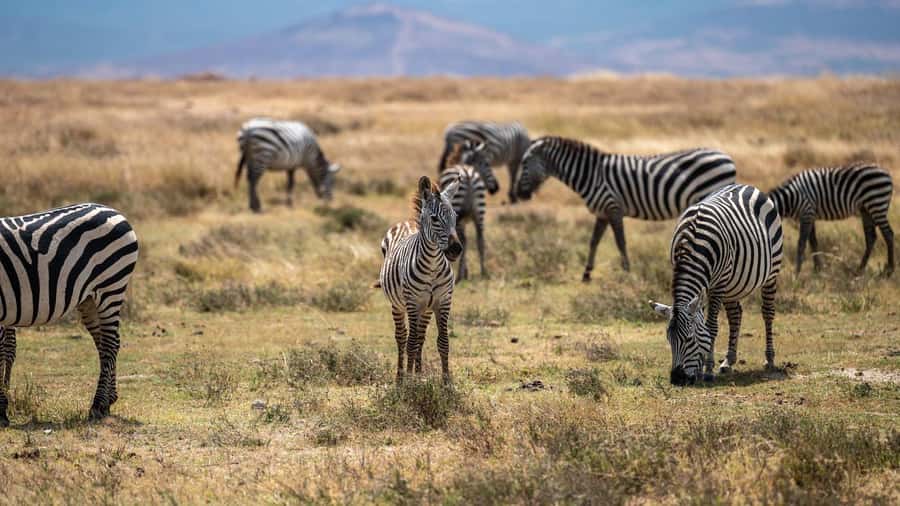
You’ll be aiming for the Big 4 in Mikumi, but the reality is that seeing all four isn’t guaranteed. What is realistic here is variety: lions, elephants, zebras, giraffes, and antelopes are specifically listed, plus many more. That mix matters because it gives you more “moments” than one headline sighting.
Also, the safari is framed as private. That’s a big deal in practice: you’re not stuck waiting for other groups to agree on where to look next.
Day 1: Zanzibar to Mikumi through Dar, Morogoro, and a Maasai village at 16:30
Day 1 is all about getting from Zanzibar to Mikumi the land-and-sea way. You’ll start with hotel pickup in Zanzibar, then head to the ferry terminal. The plan runs on a clear timetable: the ferry leaves at 7:00 AM to Dar es Salaam, arriving at 8:40 AM. From there, you board the 9:30 AM high-speed train to Morogoro, arriving at 11:15 AM.
After the train, it’s a transfer toward Mikumi National Park. You’ll have lunch once you’re set, then get a break before your cultural visit. That afternoon stop is scheduled for 16:30, and it’s centered on a Maasai village culture tour with the Maasai people.
Why this day feels different from most safaris: you’re not only moving—you’re watching the country pass by. One past traveler specifically called out that using ferry and train was a better experience than doing the same distance by air, because you get more of daily life and the journey itself becomes part of the memory.
Before you go, plan ahead on paperwork. You’re asked to contact the operator 3–4 days in advance and send a copy of your passport so ferry/train tickets can be arranged smoothly.
Overnight on Day 1 is either a hotel at Mikumi area, depending on how lodging is set up.
Maasai village visit: A cultural stop built into the safari, not tacked on
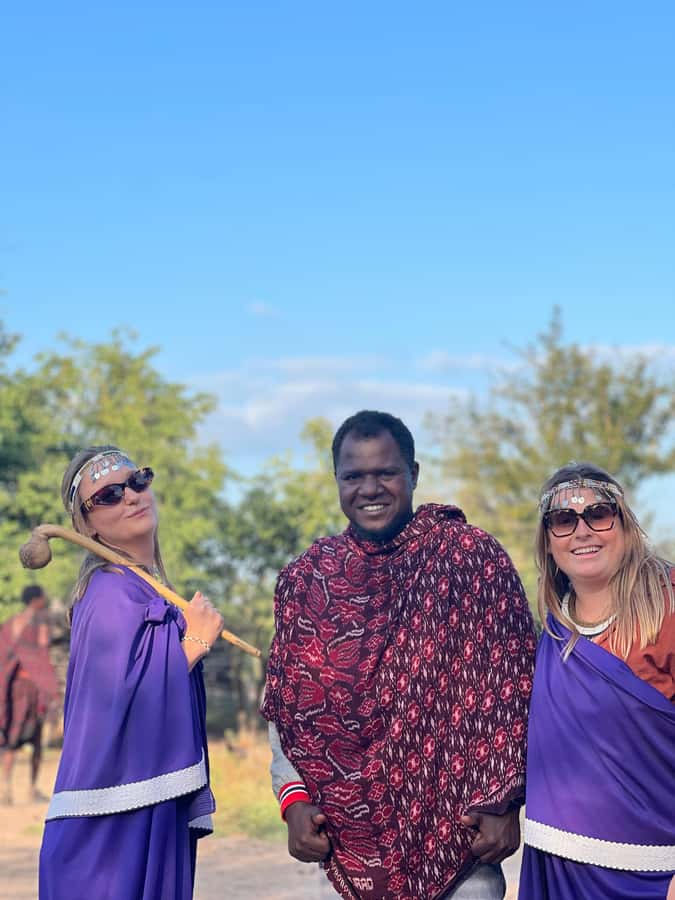
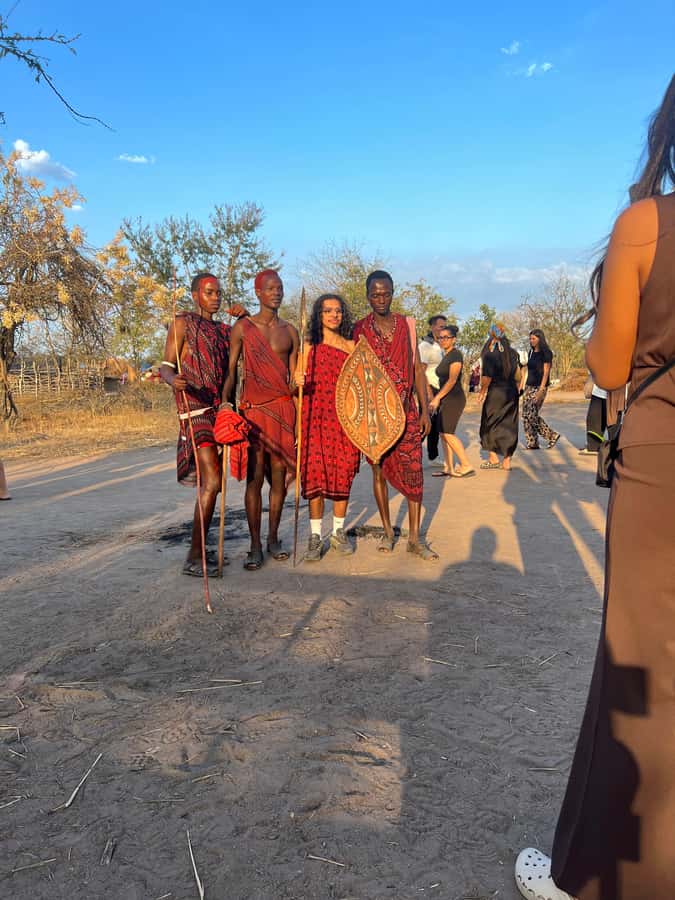
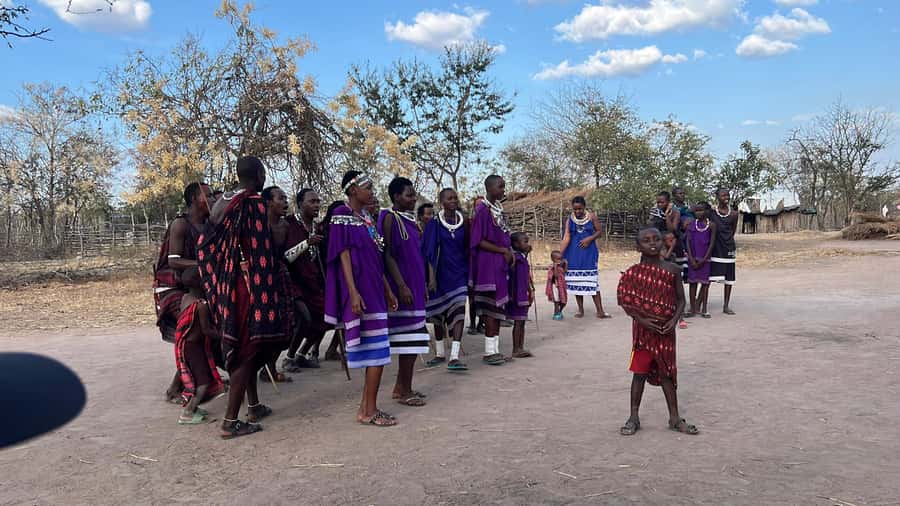
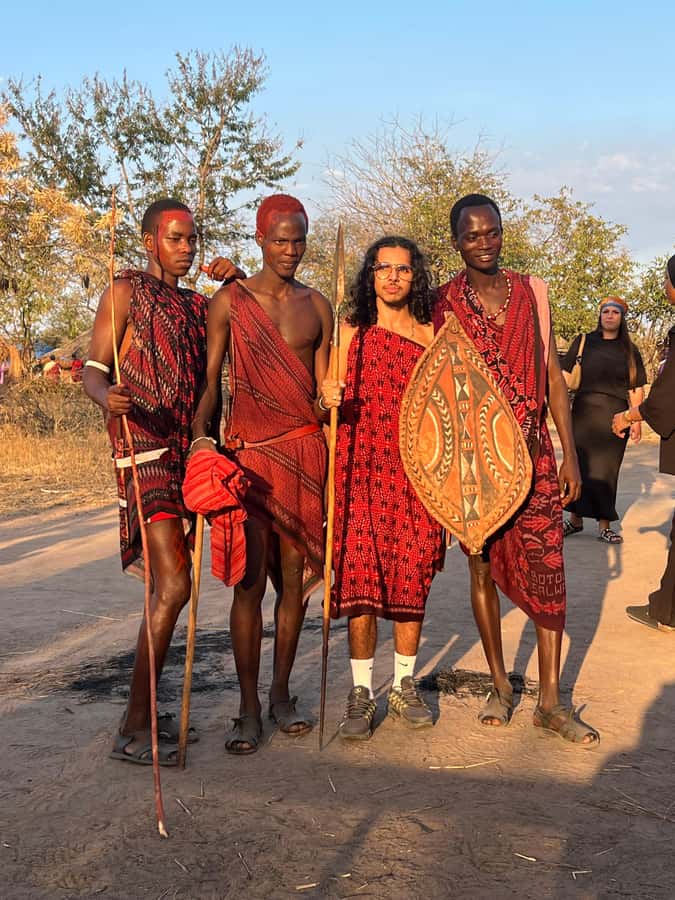
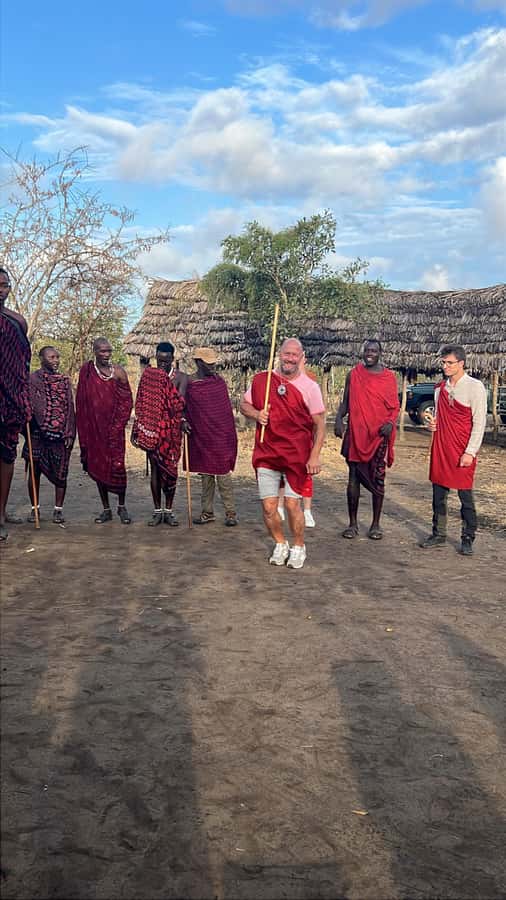
The cultural visit is scheduled right after your travel day fatigue has time to settle. At 16:30, you’ll go to a Maasai village for a culture tour with the Maasai people. This timing also helps, because you’re arriving when daylight is still good and energy is more manageable than late evening.
One review highlighted how interesting the village visit was, and another mentioned small refreshments such as bananas (tied to the local experience). Even if you’re mainly in Tanzania for wildlife, this is the part that slows you down and puts your safari into a human context.
A practical way to enjoy this stop: ask questions. The tour format is built around the people there, and the best value is when you treat it like conversation—not like a quick photo moment.
Day 2: The full-day Mikumi safari (early start, steady game drives, park meals)
Breakfast starts early, at 6:00 AM, because Mikumi rewards an on-time start. Then you head out for a full-day game drive, led by an experienced safari guide and supported by the wider team.
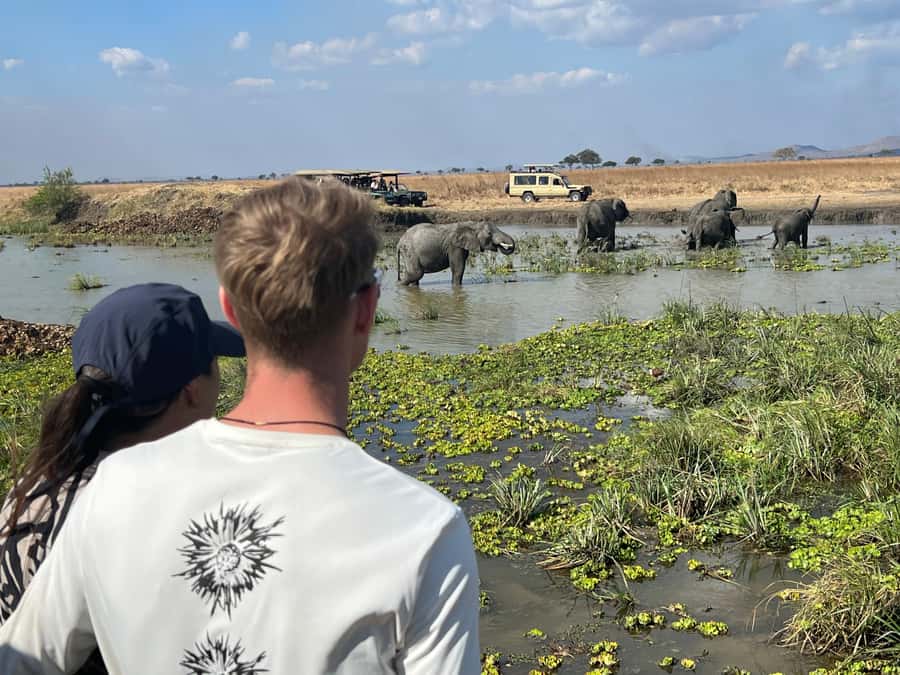
The animal list isn’t vague. It specifically calls out sightings of lions, elephants, zebras, giraffes, and antelopes, plus more. Past travelers also praised how close they were to wildlife, and that’s usually what you’re hoping for with a properly guided game drive.
A useful detail for day planning: there’s time for a break and food inside the park. You can take a short break in the afternoon for a buffet lunch inside the park, then head back out for more viewing after lunch. That structure helps you keep your eyes open instead of counting the minutes until the drive ends.
Evening lodging and dinner on Day 2 can go two ways. You either return to Morogoro for dinner and overnight, or you continue staying at the Mikumi lodge for dinner and overnight. Past feedback also mentions an inside-park style camp experience (Double G Safaris Camp Mikumi), which many people find more atmospheric than bouncing back and forth at night.
Guide notes you may see: English-speaking guides are part of the deal, with names reported such as Khamis and a safari guide named Godfred. There’s also consistent mention of Seif as the person coordinating care throughout the trip.
Where you sleep: Morogoro hotels versus an in-park camp feel
Lodging is one of the biggest “make or break” factors on safari trips, and this itinerary keeps flexibility in play. You’ll have accommodation included, but depending on how your dates line up, you may spend nights at a hotel around Morogoro or at a lodge/camp closer to Mikumi.
One review described the Morogoro hotel as a bit excentré (off to the side), while also praising the overall experience. Another set of reviews strongly favored the Double G Safaris Camp Mikumi, describing it as atypical and memorable.
Why that matters: a camp closer to the park can extend the safari feeling beyond driving hours. One traveler specifically mentioned evening time with wildlife at a water source at the camp, where zebras were seen drinking. If you’re the type who likes slow moments—listening for activity instead of rushing for the next drive—that kind of setting can be a real win.
Big 4 in Mikumi: How to set expectations without killing the excitement
This trip promises a Big 4 opportunity in Mikumi, but it’s also clear that you might not see all four. That’s not a marketing dodge—it’s how safari works. Animal placement changes day to day, and Mikumi is big enough that finding every iconic species isn’t something anyone can control.
So here’s how I’d think about the “value” of the Big 4 angle: you’re not paying for a guaranteed checklist. You’re paying for time in the right place with a guide who’s focused on wildlife viewing. The itinerary is built around that, with a full-day game drive and enough breaks to keep you alert.
You can also expect more than one animal type. The trip lists both predators and herbivores (lions and elephants, zebras, giraffes, antelopes), which is the practical mix that makes safari days feel full even if a particular big cat or elusive species doesn’t show up.
Price and value: What $730 includes (and what doesn’t)
At $730 per person for 3 days and 2 nights, the key question is what your money covers. In this case, it includes a lot of the things that usually add up:
- All entrances fees
- Guide
- All three meals
- Soft drinks/water soda
- Hotel accommodation
- All transport from your Zanzibar hotel
- The overall “everything including” framing for the trip’s planned components
Alcohol is not included, so plan on budgeting for that separately if it matters to you.
What you’re really paying for here isn’t only the safari—it’s the built-in travel method that gets you to Mikumi without skipping the journey. The ferry + train + car combination can cost more in time, but it can also create more “Tanzania on the way” moments than a quick hop that drops you into a park with no context.
One more value point from past travelers: the organization and smooth handling of connections. That matters when you’re traveling by ferry and train—those days can be stressful if you don’t have people coordinating timing.
Pace and group size: Small-group comfort without the flight-safari squeeze
The experience is offered as a small group, with English-speaking guidance. That helps you move at a human pace. Instead of sprinting through wildlife stops like you’re on a schedule carousel, you get time for viewing and for the day’s natural rhythm.
The relaxed pace is called out directly in the trip overview: it’s positioned as not rushing the way flight-based safaris can feel. In practice, that means you’re not constantly thinking about missing a flight window or cutting the game drive short. You have a day built for wildlife and then a separate day built for returning to Zanzibar.
If you like your travel days with structure, this works well too, because Day 1 is time-tabled (ferry and train), and Day 2 is time-tabled (breakfast and a full game drive). You just don’t have to cram the whole planet into 6 hours.
Should you book this Zanzibar to Mikumi safari?
If you want a classic Mikumi wildlife day and you also like the idea of traveling through Tanzania by ferry and train, I’d say this is a strong fit. It’s especially appealing if you care about a calmer pace, private safari-style time, and a cultural stop that actually has a scheduled slot (Maasai village visit at 16:30).
You should think twice if you dislike early starts and long travel days. Day 1 is built on a tight connection plan, and you’ll be moving for hours before you settle in.
For most people who come to Tanzania to see animals and also enjoy the journey, the combination of wildlife time, included meals, and well-handled transport makes it a good value at $730—with the right expectations about Big 4 sightings.
FAQ
How do you travel from Zanzibar to Mikumi?
You travel by ferry from Zanzibar to Dar es Salaam, then take a high-speed train to Morogoro, and continue by car to Mikumi National Park.
What are the ferry and train timings?
The ferry departs Zanzibar at 7:00 AM and arrives in Dar es Salaam at 8:40 AM. The high-speed train departs at 9:30 AM and arrives in Morogoro at 11:15 AM.
Where do you go after arriving in Morogoro?
After arriving in Morogoro, you transfer to Mikumi National Park. You then have lunch, rest, and later visit a Maasai village at 16:30 on Day 1.
Is the safari private?
The experience is described as a private safari with a guide for wildlife viewing.
What animals can you expect to see?
The trip highlights include lions, elephants, zebras, giraffes, antelopes, and many more wild animals.
Can you see all the Big 4 in Mikumi?
The experience notes that Mikumi can offer a chance to see the Big 4, but it’s not possible to see them all for every trip.
Are meals included?
Yes. All three meals are included, along with soft drinks/water soda.
Is alcohol included?
No, alcohol is not included.
What should you send before the trip?
You’re asked to contact the operator 3–4 days in advance and send a copy of your passport so ferry and train tickets can be arranged.