REVIEW · NAPLES
Amalfi Coast by Train & Ferry with Smart Digital Guide
Book on GetYourGuide →Operated by inStazione · Bookable on GetYourGuide
This day trip is all about one smart move: using trains and ferries to reach the Amalfi Coast without the hassle of driving. You’ll get a concierge-style welcome at Naples Centrale, a walk to the Salerno port (about 500 meters), and then classic coastal views from the water.
What I like most is the simple rhythm: Naples → Salerno by train, then ferry-hopping to Amalfi and Positano with your own free time in each place. One drawback to plan around: the schedule can slip. When the ferry runs late (and sometimes even leaves early on the return), you can lose precious minutes during your stops.
In This Review
- Key things to know before you go
- Naples Centrale to Salerno: why this route works
- The 500-meter walk to Porto Concordia (and why you should care)
- Salerno by ferry: how the day should feel
- Amalfi free time: what you’ll actually do on foot
- Positano: the steep-street experience (and shopping reality)
- Salerno on the way back: coffee, then back to Naples
- Timing reality: delays, late ferries, and the last-minute risk
- Audio guide: helpful when it works
- Value and price: when this tour is worth it
- Who this Amalfi Coast by train and ferry is best for
- Booking notes you should keep in mind
- Should you book this Amalfi Coast day trip?
- FAQ
- How long is the Amalfi Coast by Train & Ferry with Smart Digital Guide tour?
- Where is the meeting point?
- What languages are available for the audio guide?
- Are there guided parts and free time?
- Do I ride from Naples to Salerno by train?
- How do I get from Salerno station to the ferry?
- Is the tour wheelchair accessible?
- Is the booking refundable?
Key things to know before you go
- Train connection from Naples Centrale to Salerno keeps the morning moving and cuts out road stress.
- A short 500-meter port walk in Salerno is small, but it matters when you’re on a tight timetable.
- Free time in both Amalfi and Positano means you can wander at your pace instead of watching everything from a boat.
- Coffee/stroll time in Salerno gives you a calmer stop before you head back to Naples.
- Audio guide is included in English, French, Italian, Spanish, and German, but it may not feel fully “plug-and-play” for everyone.
- Timing is the biggest watch-out—build in patience, and don’t be the person rushing to the gangway at the last second.
Naples Centrale to Salerno: why this route works
The day starts at Napoli Centrale Station, where you meet the tour representative (English and Italian are offered). This is a helpful setup if you’re not fluent in Italian and you don’t want to figure out which platform, which exit, and which walking path leads to the port.
You’ll also receive a few practical items that make the handoff from train to ferry smoother:
- a bottle of water
- a map showing how to get from the station area to the port of Salerno
- your travel tickets
- clear instructions (plus visit tips)
Once you’re on the train to Salerno, the ride gives you the coastline build-up in stages—less “one big jump,” more “gradual arrival.” Even if you’ve seen photos of Amalfi Coast villages, the first glimpses from inland-to-coast usually land better in real life than they do on a screen.
The 500-meter walk to Porto Concordia (and why you should care)

When you arrive in Salerno, the plan is straightforward: walk roughly 500 meters from the station to Porto Concordia, then board the ferry.
This is one of those details that seems minor until timing gets tight. If you’re carrying luggage, wearing uncomfortable shoes, or you get distracted hunting for the exact dock, that “short walk” can turn into 15–20 minutes. My advice is simple: leave the station exit ready to move. Use the map, then commit. You don’t want to be late for boarding.
If you’re traveling with mobility needs, the good news is that the tour is listed as wheelchair accessible. Still, ports and boarding steps can be tricky on busy ferry docks, so plan to arrive early enough that you don’t feel rushed.
Salerno by ferry: how the day should feel

Once you step onto the ferry, the day shifts from planning mode into view mode. This is where the Amalfi Coast earns its reputation.
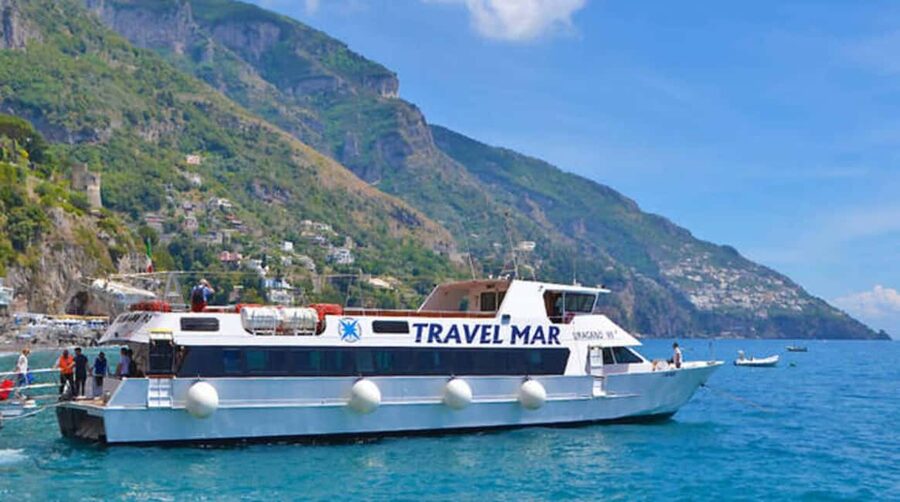
You’re not just moving from town to town—you’re watching the coastline unfold: cliffs, coves, and the “stacked village” look that makes Amalfi-area towns so distinct. It’s also the fastest way to see more than one destination without spending hours on winding roads.
One key reality check: ferries run on a schedule, but real life (especially weather and port traffic) can interfere. The tour length is 11 hours, which means you’ve got a packed itinerary. That’s why it’s worth treating every stop like you’re on a timeline, even when you’re there “on your own.”
Amalfi free time: what you’ll actually do on foot
Your first major stop is Amalfi. You’ll have free time to explore the town at your own pace. In practice, this usually means:
- finding a good viewpoint
- wandering streets and stopping for photos
- checking out small shops and cafes
Amalfi tends to feel energetic and visitor-friendly, and the waterfront vibe is part of the point. You’ll likely notice the town’s rhythm quickly: move toward viewpoints, then come back down toward the port area, then repeat. If you’re the type who likes to linger, do it early in your window—not at the end.
One practical tip: keep an eye on your return-to-boat timing. The experience works best when you move with purpose inside your free time. You don’t need to sprint, but you do need to stay aware of the ferry schedule.
Positano: the steep-street experience (and shopping reality)
After Amalfi, you’ll cruise to Positano, with another chunk of leisure time to explore.
Positano is known for its colorful buildings and shop-lined streets, and it really delivers. The downside is that it’s easy to burn time on the wrong things: a photo that takes longer than you planned, or a shop window that turns into a 20-minute conversation about leather sandals you weren’t shopping for.
Also, there’s a pricing reality you should keep in mind: Positano shops can be expensive. If you’re tempted, do what locals do—look at price tags carefully and compare. If you see something you love, you’ll feel better making the purchase decision when you’re not surprised by the cost.
What I like about giving you free time here is that you can decide how you want to experience Positano:
- Photo-first: viewpoints and quick walks between them
- Slow stroll: a longer wander through the lanes
- Coffee break: recharge while the crowds shift
No matter your style, keep your meetup-to-boarding mindset. Don’t plan a long sit-down meal unless you’re sure it fits the ferry timing.
Salerno on the way back: coffee, then back to Naples
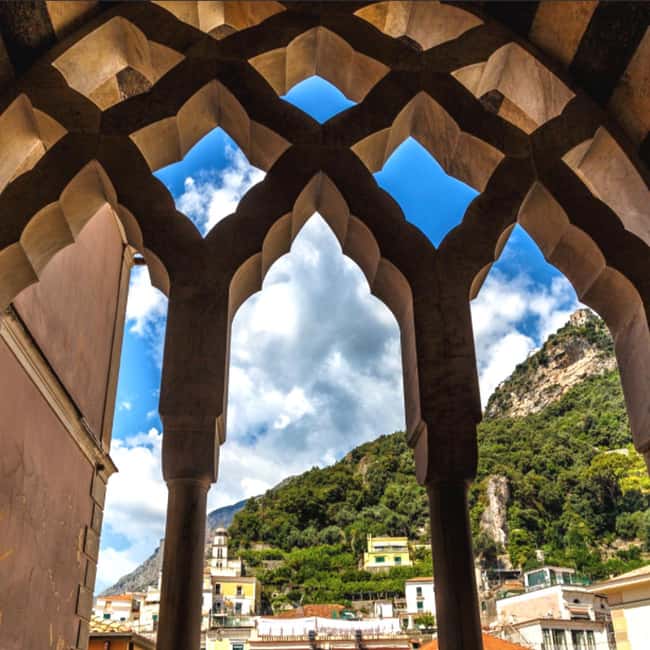
Once you return by ferry, you’ll sail back to the Port of Salerno, then have free time to use the city at your own pace. A stroll through the historic center is suggested, or you can grab a coffee and people-watch near the port area.
Salerno is bigger than Amalfi and Positano, and it can feel a little more spread out. The time you have is enough for a focused walk, but not enough to treat it like a full city day. If you want to make the most of it, I’d aim for:
- a short loop near the most walkable areas
- a quick stop to see the historic center feel
- then back to the harbor with time to spare
This stop is your buffer. Use it to reset before the return train.
Timing reality: delays, late ferries, and the last-minute risk
Here’s the honest part. The itinerary is structured, but ferry timing can be unreliable. Some days, connections feel smooth. Other days, ferries run late, and you lose chunks of time at each stop.
Two timing patterns to plan around:
- Ferry delays can eat 20–30 minutes, which is a big deal when your town time is already limited.
- The return ferry may even leave earlier than expected, which creates a real last-minute risk. If you arrive near the end of your window, you could miss the boat.
So what’s the smart strategy?
- Be at the meeting/boarding area earlier than you think you need.
- Don’t treat the schedule like a suggestion.
- Keep your plans flexible. If you’re traveling on tight connections in Naples later, give yourself breathing room.
Also, while weather can affect operations, the safest mindset is to expect the coastline day to be “human-paced.” Ferries aren’t a subway; you’re sharing the port with traffic and conditions.
Audio guide: helpful when it works
An audio guide is included in English, French, Italian, Spanish, and German. This is great in theory because you can learn about what you’re seeing while you walk.
The catch is that some people found the audio experience less than smooth—like the link or access method wasn’t fully functional, and there wasn’t much fallback documentation. In other words: plan as if you might need your own support.
How to make this work for you:
- If you rely on the audio, test access before you head out.
- If it fails, you can still enjoy the towns—you just won’t get the commentary in real time.
- Consider saving a few basic notes to your phone (even a simple “Amalfi/Positano highlights” list) so you don’t feel stuck.
This is one place where good internet habits help. If your phone is offline-dependent, this could be a weak point.
Value and price: when this tour is worth it
You’re paying for a full-day bundle: train, ferry, concierge help, tickets, and the routing that gets you from Naples to multiple coast towns.
Since I don’t have the exact price you paid (and it can change), here’s the value math I’d use:
- If you want maximum scenery with minimum logistics, the bundle is often worth it.
- If you already know how to move around the region by rail and ferry and you don’t mind planning every hop, you might find cheaper options by arranging transport separately.
- If you’re the type who hates last-minute ticket hunting, then the included organization is the value—especially in the high-season rush.
One caution from experience with this kind of itinerary: the overall value drops if the delays are bad enough that you don’t feel you got enough time on land. When time gets squeezed, the cost can feel steep for what you actually see.
Who this Amalfi Coast by train and ferry is best for
This tour makes the most sense if you want:
- a straightforward day-trip structure
- two star towns (Amalfi and Positano) without driving
- a guided start (concierge at Naples Centrale) and an organized ferry route
It’s especially good for couples, friends, and solo travelers who are comfortable walking and can handle some crowds. If you hate being on a schedule, you might find the day stressful. If you like photos, waterfront walks, and quick town wander time, you’ll likely enjoy it.
If you’re sensitive to timing issues, go in with the right mindset: early arrivals, fewer side trips, and patience if the ferry runs late.
Booking notes you should keep in mind
This activity is listed as non-refundable. That matters if weather forecasts or personal plans are uncertain.
Meeting point can vary depending on your option booked, but the provided coordinates are 41.9012871, 12.5015755. Since meeting points can shift, treat your confirmation message as the source of truth for exactly where to go.
Finally, the tour includes multilingual audio and a wheelchair-accessible format. If you use a wheelchair or mobility aid, it’s worth confirming what boarding and dock movement looks like on ferry days—ports can be uneven, even when a tour is listed accessible.
Should you book this Amalfi Coast day trip?
If your goal is one efficient day on the Amalfi Coast—train to Salerno, ferry to Amalfi and Positano, then back—this is a solid option. The concierge help in Naples Centrale and the provided tickets and map reduce the stress that can ruin a scenic day.
I’d book it if:
- you want a low-effort way to hit both Amalfi and Positano
- you’re okay with free time being limited and structured by ferry schedules
- you can arrive early and move confidently through docks and stations
I’d think twice if:
- you’re extremely time-sensitive and can’t tolerate delays
- you need a fully predictable timetable at each stop
- you rely heavily on audio guide tech that might not work perfectly
In short: it’s a great route for views and towns, but you’ll enjoy it more if you travel like a pro—early to the dock, comfortable shoes on, and no rigid plans after the return train.
FAQ
How long is the Amalfi Coast by Train & Ferry with Smart Digital Guide tour?
The duration is listed as 11 hours. Starting times can vary, so check availability for the options on your travel date.
Where is the meeting point?
The meeting point may vary depending on the option booked. A coordinate is provided (41.90128707885742, 12.501575469970703), so use your booking details to confirm the exact location.
What languages are available for the audio guide?
The audio guide is included in English, French, Italian, Spanish, and German.
Are there guided parts and free time?
Yes. You’ll meet a concierge who provides instructions and tips, and you’ll also have free time to explore Amalfi and Positano at your own pace, plus time in Salerno.
Do I ride from Naples to Salerno by train?
Yes. The plan includes a roundtrip train ride from Naples to Salerno (and back to Naples).
How do I get from Salerno station to the ferry?
You’ll walk about 500 meters from the station to Porto Concordia, and you receive a map to help you reach the port.
Is the tour wheelchair accessible?
The experience is listed as wheelchair accessible.
Is the booking refundable?
No. This activity is listed as non-refundable.