REVIEW · FORT SUMTER NATIONAL MONUMENT
Charleston: Fort Sumter Entry Ticket with Roundtrip Ferry
Book on GetYourGuide →Operated by Fort Sumter Tours · Bookable on GetYourGuide
A ferry to the opening shots. This Fort Sumter trip mixes big Charleston views with on-site ranger stories at the Civil War’s first battle.
I love the roundtrip ferry time because it turns the harbor into part of the show, with sights like the Arthur Ravenel Jr. Bridge and good chances to spot dolphins. I also love that you’re not stuck in a long script at the fort: you get guided context, then you explore on your own for about an hour.
One thing to plan for: the on-fort portion can feel a bit tight if you’re the type who likes to read every sign and linger in the museum. You’ll likely want more time than the schedule allows.
In This Review
- Key highlights to know before you go
- Ferry to Fort Sumter: harbor views, bridge lines, and dolphin odds
- The ranger story on the boat: how the Civil War start clicks
- Fort Sumter National Monument: your self-paced walk with a guided spine
- Fort Moultrie connection: why the harbor matters as much as the fort
- Museum time and souvenir stops: make the hour work for you
- Getting there smoothly: departure options, time on the water, and what to bring
- Price and value: is $43 worth it?
- Who should book this Fort Sumter ferry tour?
- Should you book Charleston: Fort Sumter Entry Ticket with Roundtrip Ferry?
- FAQ
- FAQ
- How long is the Fort Sumter ferry and visit?
- What does the ticket price include?
- Where does the ferry leave from in Charleston?
- Can I bring food or drinks to the fort?
- Is the USS Yorktown CV-10 included?
- Do the tours run in bad weather?
Key highlights to know before you go
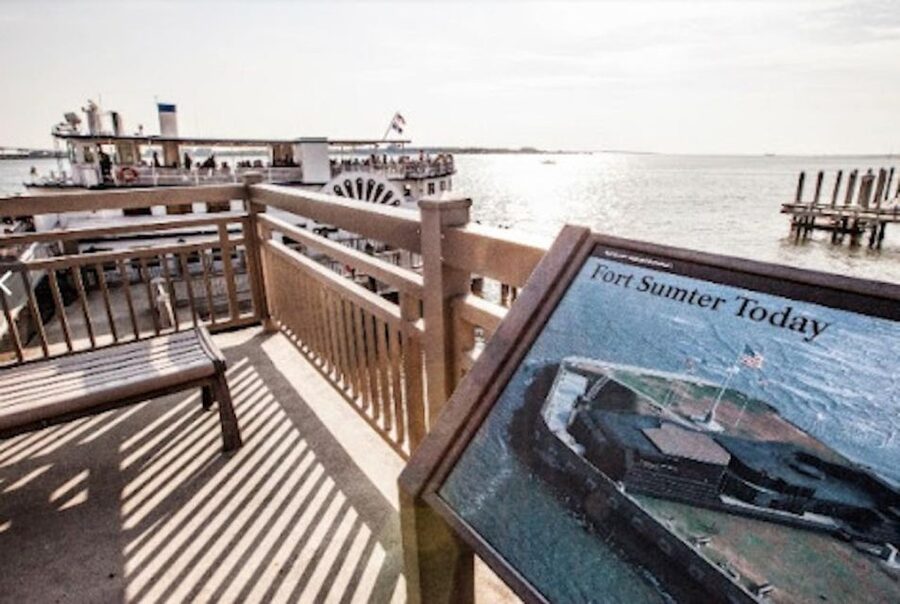
- 30-minute narrated cruise that sets the stage before you step foot on the fort
- Fort Sumter National Monument entry included, so you just focus on the experience
- National Park Rangers guide the story, including the start of the Civil War
- About an hour at the fort to walk ruins and take in the museum store
- Photo-friendly harbor moments, including views of the bridge, Rainbow Row/Battery homes, and possible dolphins
- Rain or shine operation, so you don’t lose the day to weather roulette
Ferry to Fort Sumter: harbor views, bridge lines, and dolphin odds

This tour works because it does two things at once. First, you get out onto Charleston Harbor on a real ferry—so the trip is more than a transfer. Second, you arrive with the history framed, then you walk Fort Sumter at your own pace.
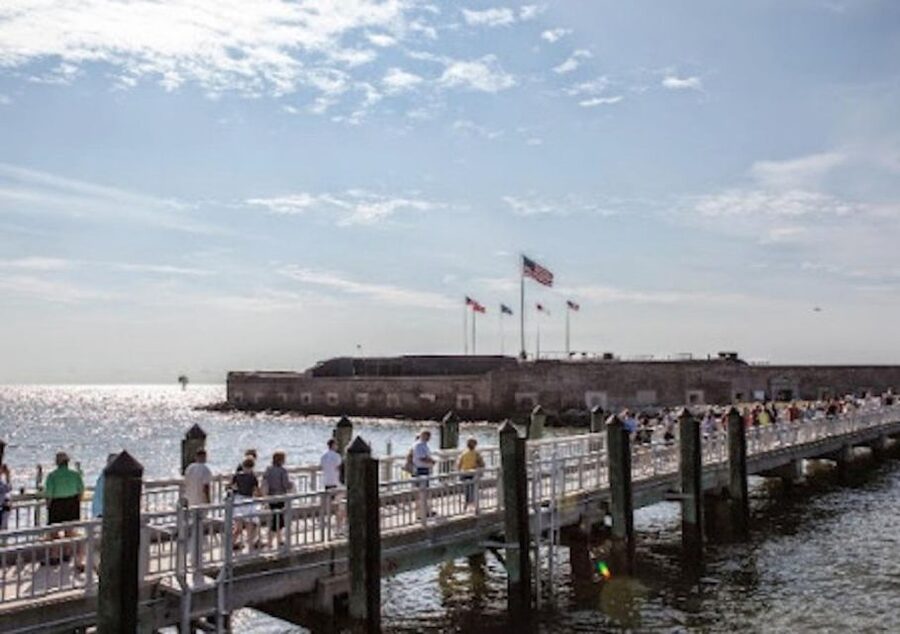
From the water, you’ll pass or see major landmarks that make the fort feel anchored in real place. The cruise route can include views of the Arthur Ravenel Jr. Bridge, plus the Rainbow Row and Battery homes when you depart from downtown. If you’re heading out from Mt. Pleasant, you may enjoy close-up sightlines of the USS Yorktown aircraft carrier as you go by (note: this tour does not include access to the ship itself). If your ferry departs from downtown, it may also pass Aquarium Wharf as boats leave and return.
And yes, the harbor can deliver the kind of bonus moments you don’t plan: the cruise can be photogenic enough that it makes sense to have your camera ready, and you may even catch sight of dolphins. One of the best parts is that you don’t have to hustle—sit, look, and let the narration connect the views to the story you’ll soon walk through.
The ranger story on the boat: how the Civil War start clicks

The most important “pre-game” happens on the water. The cruise is narrated by National Park Rangers, and it’s built to help you understand what you’re about to see. This isn’t just a list of dates. It’s framed around why Fort Sumter mattered and what led to the first shots in the Civil War.
You’ll get the context before stepping onto the fort grounds, which changes how you experience the place. When you later stand near the preserved ruins, the details feel less like facts you memorized and more like a chain of cause and effect.
A practical plus: you’re on a boat during the narration, so you can do it without needing to stop and look up constantly. Many people get to the fort already primed—exactly how you want to arrive when your time on the island is limited.
Fort Sumter National Monument: your self-paced walk with a guided spine

After you arrive at Fort Sumter, you enter Fort Sumter National Monument at the mouth of Charleston Harbor—one of those locations that feels like it was chosen for defense on purpose. Fort Sumter and Fort Moultrie National Historical Park are tied to the same strategic story, because the harbor defenses were all about controlling access and influence in a contested region.
Your visit on the fort grounds is roughly one hour. That hour is long enough to walk the main areas, take in the well-preserved ruins, and browse the museum store. It’s also short enough that you’ll want a strategy if you’re a slow reader or want museum time.
Here’s how I’d pace it:
- Start with a quick orientation walk to understand the layout of the ruins and where key areas are. This is how you avoid feeling lost with only an hour.
- Then slow down. Spend your time where the fort’s features connect to the stories you heard on the ferry.
- Finally, if you want the museum or store, decide early whether you’re focused on reading or on souvenirs. The schedule doesn’t leave room to do both at the most leisurely pace.
The emotional punch of Fort Sumter comes fast. You’re standing where a major turning point in American history began. The experience also links to the larger sweep of conflict—how the site’s meaning runs from the Civil War into later modern conflicts through ranger interpretation.
Fort Moultrie connection: why the harbor matters as much as the fort

Even though your main “walk time” is at Fort Sumter, the overall framing includes Fort Moultrie because both are part of the harbor defense story. That matters because Charleston Harbor isn’t just a pretty backdrop. It’s a strategic channel—exactly why this site made sense for defense and why disputes escalated.
On this tour, ranger talks help you connect the fort’s physical location to the historical decisions being made at the time. You’re not just visiting an isolated ruin. You’re understanding a system: the fort, the harbor approaches, and the broader campaign around control.
If you like your history practical—why things were built, where ships could go, what mattered from a distance—this is a strong match. And if you like scenery as a bonus, you’ll get that too: the ferry ride back offers views of the city as you return.
Museum time and souvenir stops: make the hour work for you

The fort experience includes access to the museum store and the informational displays. You do have time to go in, but the key is managing expectations.
I’d plan for a tradeoff:
- If you spend extra time reading informational boards, you may not have as much time for the museum.
- If you focus on the museum and store first, you might skim some of the outdoor ruins more quickly than you’d like.
One important rule to know before you go: food and non-alcoholic beverages are not allowed inside the fort’s museum. Also, alcoholic beverages are prohibited outside, and beer and wine are available for purchase on the return boat trip only. Translation: if you bring snacks, it’s best to think “eat on the boat or outside,” not inside the museum.
A small comfort tip from real-world experience: the boat ride can have enough time to bring and manage personal snacks. Also, there are restrooms aboard, which helps when you’re traveling with kids or just want less stress.
Getting there smoothly: departure options, time on the water, and what to bring
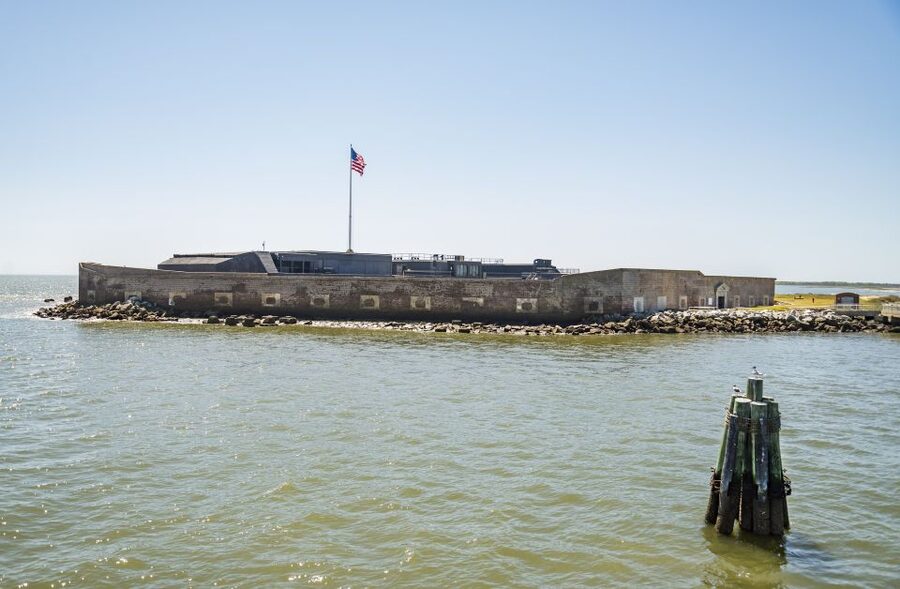
This tour is built around a ferry ride to and from the fort. Meeting points can vary depending on the option you book, so check your exact departure details ahead of time. The good news is the overall structure is consistent: cruise out, ranger narration, fort time, then ferry back.
A few practical tips based on how people actually experience the day:
- Wear comfortable shoes. Fort grounds and ruins mean you’ll be walking on surfaces that aren’t designed for flip-flops.
- Bring sunglasses and plan for sun. Even on a pleasant day, the harbor light can be strong.
- Bring a camera if you’re into photos. The views from the water plus the fort structures make it worth it.
- Dress for heat if you’re going in warmer months. One of the most common issues at Fort Sumter isn’t the tour—it’s the sun while you’re standing and walking.
Weather is not a deal-breaker. Tours run rain or shine, so pack like you might get wet. A light layer helps too.
One more note to consider: wheelchair information is inconsistent in the data—there’s a listing of wheelchair accessibility, and also a note that it’s not suitable for wheelchair users. If mobility needs apply to you, confirm details with the operator before you pay. That’s the safest move.
Price and value: is $43 worth it?
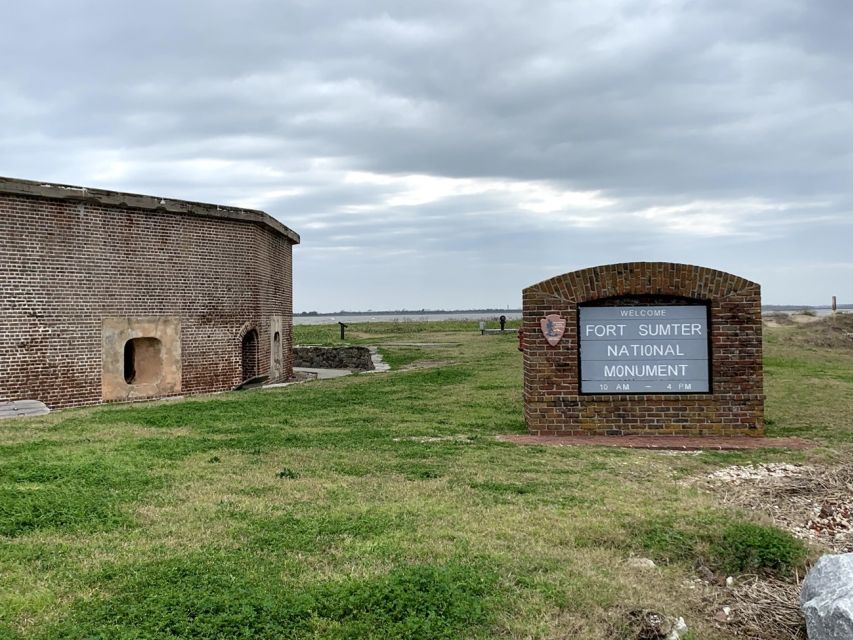
At about $43 per person, you’re paying for three things: a Fort Sumter entry ticket and roundtrip ferry transportation, plus ranger storytelling that helps you understand what you’re seeing.
Is it worth it? In my view, it’s good value if you want:
- a guided narrative (especially on the ferry),
- a short, efficient visit (about two hours total with travel and narration),
- and a “see it, then walk it” structure that doesn’t eat your whole day.
Where people sometimes feel the price pinch isn’t the cost—it’s the time. You only get about one hour at the fort, and that can feel short if your style is deep reading. If that’s you, treat this as a taste. It’s enough to experience the site’s core meaning, but not always enough for a slow museum day.
What’s not included matters too:
- You don’t get access to the USS Yorktown CV-10. You might see it from the ferry depending on your departure route, but you won’t tour it.
- Food and drinks aren’t included, and rules apply once you reach the museum.
Who should book this Fort Sumter ferry tour?
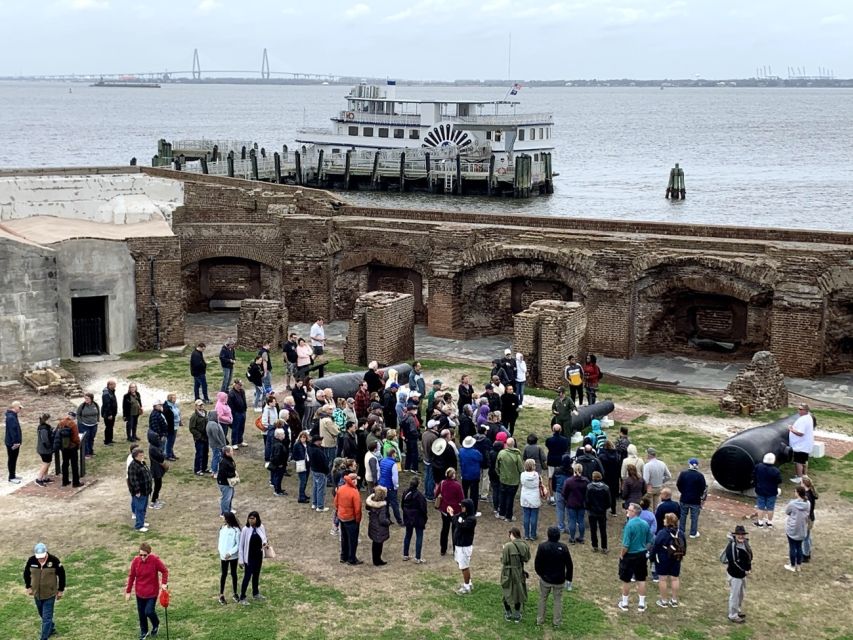
This is a great fit if:
- you want the start-of-the-Civil-War story told in a way that connects to what you physically see,
- you like logistics that are simple (ticket + ferry, then walk),
- you’re comfortable with a short on-site visit and using your hour strategically,
- you enjoy water views as part of the day, not just a transit step.
It might be less ideal if:
- you need long museum time inside the fort,
- you’re expecting a full half-day excursion,
- you can’t handle walking on historic grounds.
And if your group includes people with different interests—history lovers, photography fans, and those who just want a scenic ride—this format tends to keep everyone engaged.
Should you book Charleston: Fort Sumter Entry Ticket with Roundtrip Ferry?
I’d book it if your priority is a well-structured, time-friendly way to experience Fort Sumter with real ranger interpretation and a relaxing harbor ride. The value comes from the combination: you don’t just buy a ticket to an island—you get the story shaped before you walk the ruins.
Skip or reconsider if you know you’ll want to spend much longer than an hour reading every display and moving slowly through the museum. In that case, you might be happier pairing a shorter tour with extra independent time later, assuming your schedule allows.
FAQ
FAQ
How long is the Fort Sumter ferry and visit?
The experience runs about 2 hours in total. The visit at Fort Sumter is approximately 1 hour, with about a 30-minute narrated cruise included in the overall timing.
What does the ticket price include?
Your ticket includes Fort Sumter National Monument entry and ferry transportation to and from the fort.
Where does the ferry leave from in Charleston?
The departure location depends on the option booked. The ferry can depart from Liberty Square or Patriot’s Point, and if it departs from Mt. Pleasant you’ll get different harbor sightlines along the way.
Can I bring food or drinks to the fort?
Food and non-alcoholic beverages are not allowed inside the fort’s museum. Food and drinks can be purchased, but you’ll want to plan how and where you eat while on the grounds.
Is the USS Yorktown CV-10 included?
No. Access to the USS Yorktown CV-10 is not included on this tour.
Do the tours run in bad weather?
Yes. Tours run rain or shine.