REVIEW · TARIFA
From Marbella: Tangier Day Trip with Ferry, Camel & Souks
Book on GetYourGuide →Operated by Lost in the Souk · Bookable on GetYourGuide
A quick ferry hop can feel like another world. This Tangier day trip packs in Medina souks, European-style streets, and a real camel ride by the Atlantic, all guided from start to finish. I like that it’s planned with practical breaks and clear structure for a one-day visit, and the guide-led format helps you make sense of what you’re seeing.
My favorite part is the mix of Tangier’s two faces: you get the Kasbah viewpoint and hilltop architecture, then you switch gears to the Medina’s street-level daily life, including communal baking setups, mosques, and hammams. If you’re lucky enough to have Hamid, you’ll likely get extra color on cultural and social life, and when Mohammad is on the mic, expect a smooth blend of driving, walking, eating, and shopping time.
One possible drawback: it’s a long day (about 10 hours), and you’ll be on your feet in uneven areas. Bring comfortable shoes and keep your expectations realistic if you prefer slow travel.
In This Review
- Key points at a glance
- Marbella to Tarifa: the cleanest way to start
- Tangier arrival and the guided flow in an air-conditioned van
- Ville Nouvelle: where European architecture shows up in Tangier
- California District and the Royal Palace area: glam looks from the road
- Perdicaris Park and Cap Spartel: Atlantic cliffs and a picture break
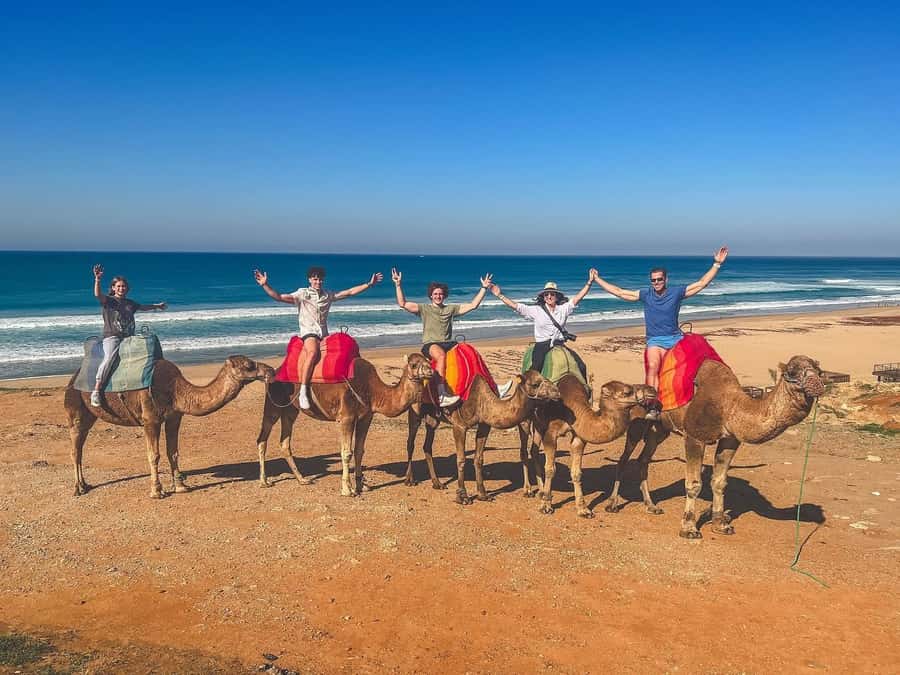
- Camel ride on the Atlantic side: the one experience you’ll remember
- Kasbah District: hilltop views and symbolic architecture
- Medina and the souks: shopping time with real structure
- Meals, pacing, and what the $648 is really buying
- Should you book this Tangier day trip?
- FAQ
- FAQ
- How long is the Tangier day trip from Marbella?
- Where are the pickup and drop-off locations?
- Is a passport required?
- What ferry route does the tour use?
- How much guided time do you get in Tangier?
- What meals are included?
- Do you get to ride a camel?
- What languages are the live guides?
- Is the tour wheelchair accessible?
Key points at a glance

- Ferry round-trip from Tarifa saves you the hassle of figuring crossings on your own
- Air-conditioned minivan for the in-between stretches so you’re not just stuck in transit
- Cap Spartel and the lighthouse area give you big sea views without needing extra planning
- Camel ride along the Atlantic coastline adds a genuinely Tangier-flavored contrast to the city streets
- Medina + Kasbah walking routes help you see how geography shapes the architecture and markets
Marbella to Tarifa: the cleanest way to start
Your day begins with pickup from Marbella or Estepona, then a drive toward Tarifa. The payoff here is simple: you’re not spending your morning trying to line up transport, crossing schedules, and tickets. It’s also a nice mental warm-up. As you travel south and east, you’re building anticipation rather than scrambling.
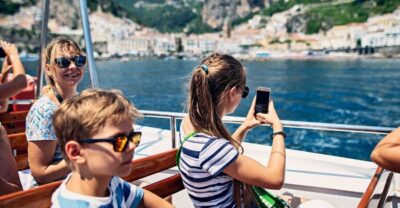
Once you reach Tarifa, you head straight to the ferry for the crossing to Tangier. The ferry time is about 1 hour, and having that time built into the plan means you can pace yourself for the rest of the day instead of guessing when to get back out there.
Practical tip: your passport is required for ferry travel. So do the boring thing first—make sure it’s easy to reach in your day bag—because there’s nothing charming about last-minute document panic.
Tangier arrival and the guided flow in an air-conditioned van
After the ferry, your guide meets you at the port, and you start the sightseeing part right away. The format matters. You get around with an air-conditioned minivan, which helps when the day is warm or when you just want your legs to recover between walking sections.
Your time in Tangier is guided for about 6 hours, so you’re not left wandering with a map and a hope. A good guide also changes how you read the city: when you understand what you’re looking at (and why it’s built that way), the Medina and Kasbah stops feel less like random alleys and more like a system.
Depending on the guide, you may also get a stronger sense of how Tangier connects to both sides of the Mediterranean. One guide name that came up was Hamid, with a reputation for strong knowledge of cultural and social life. Another was Mohammad, praised for keeping the day moving with driving, walking, eating, and shopping time that actually feels workable.
Ville Nouvelle: where European architecture shows up in Tangier
Next comes a drive through the Ville Nouvelle, Tangier’s European-influenced area. This is one of the best “orientation” segments of the day because it gives you a contrast right away. Tangier isn’t just one look; it’s multiple eras layered into a single city.
The point isn’t to pretend you’re in Europe. It’s to notice how Tangier’s history shaped its streets, architecture, and how the city functions. When you later walk in the Medina and Kasbah, the differences start to make more sense.
If you care about how cities evolve, this drive can be more useful than another street-level stop. It gives you context for the rest of the day, especially before you start seeing religious symbolism and the city’s more traditional layout.
California District and the Royal Palace area: glam looks from the road
Then you’ll drive through the California District, known for its villas, mansions, and palaces, including the Royal Palace area. This is mostly a “view and impression” stop from the car, not a full walking tour, but it still has value.
Why? Because Tangier’s skyline and neighborhoods aren’t uniform. Seeing this side of the city—more grand and residential—helps you understand that the Medina isn’t the whole story. It also sets up the later viewpoint from the Kasbah, where you can visually connect districts across the hills and down toward the Strait of Gibraltar.
Even if you don’t go inside anything here (you typically don’t, based on what’s described), you’ll still get that mental map building: city geography, class contrasts, and how Tangier’s different “zones” fit together.
Perdicaris Park and Cap Spartel: Atlantic cliffs and a picture break
After the city drives, the route turns west and into a stretch of greenery and coastal scenery. Along the winding road, you pass a forest of eucalyptus, mimosa, cypress, and umbrella pine. The sea-sprayed road feel is part of what makes this segment worthwhile: you’re going somewhere that looks and feels different from the streets behind you.
You stop at Perdicaris Park for a short break and photo time, then continue on toward Cap Spartel. This promontory sits against an ancient cliff, on the northwest point of mainland Africa, and it’s where the views really reward your patience.
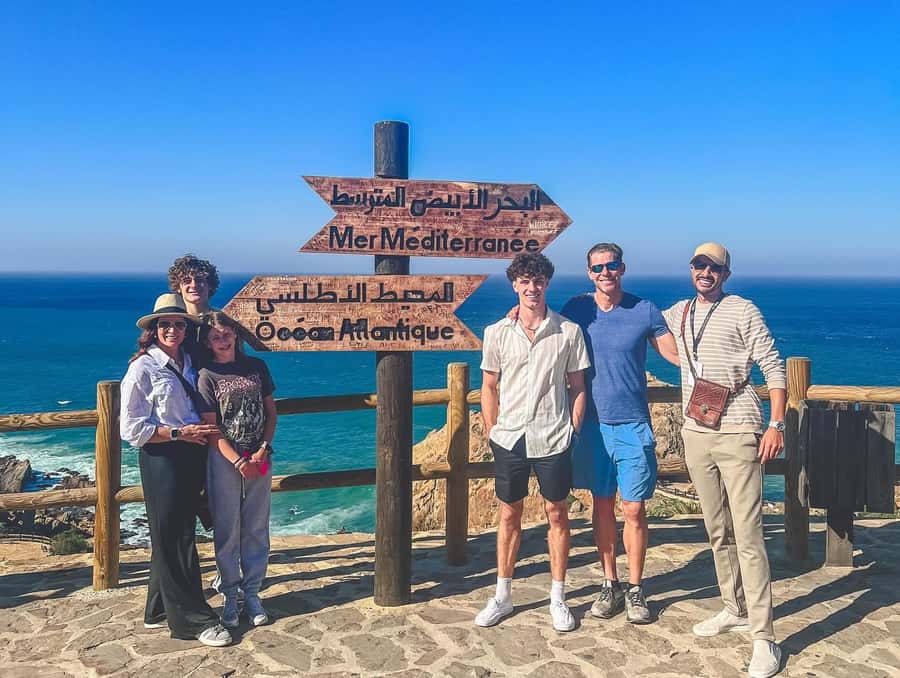
From Cap Spartel, you get a lighthouse scene looking out toward the coast of Spain. This is the kind of stop that’s simple but memorable because it gives you scale. You see the Strait of Gibraltar’s geography clearly, and your earlier city drives feel more grounded in real distance.
If you’re sensitive to time, make sure you’re ready at the car when the photo break ends. These “quick stops” are short by design, and you’ll get more out of the day by keeping the flow.
Camel ride on the Atlantic side: the one experience you’ll remember
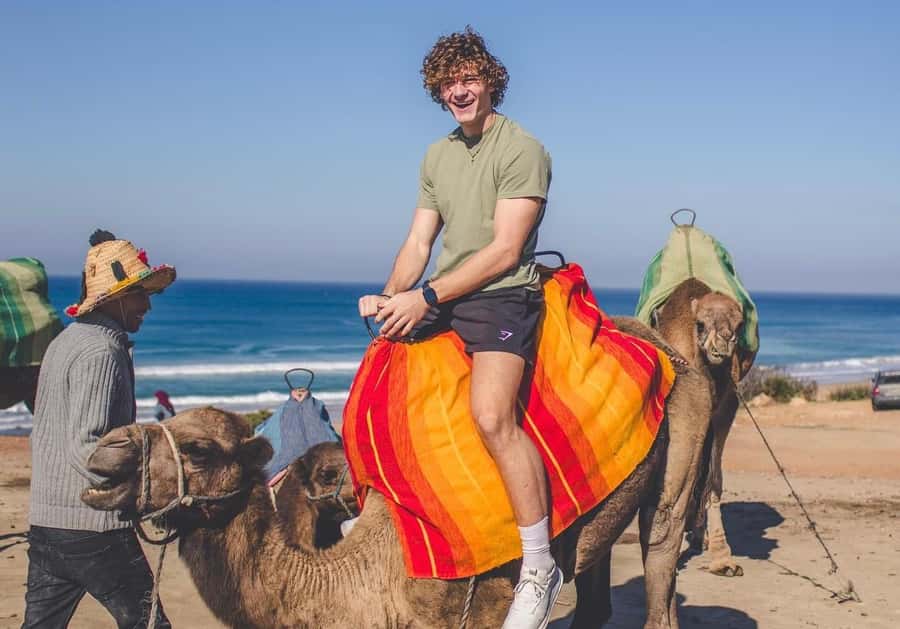
Then comes the part that makes this tour stand out: a camel ride experience along the Atlantic coastline. This isn’t about ticking a box. It’s a tonal shift. After hours of architecture, alleyways, and markets, you get open air and coastal space.
You’ll drive to the ride spot, then do the camel portion, then head back toward the hill neighborhoods. Expect that it’s active time but not a “all day on the saddle” situation. The ride is there as a signature experience inside a structured day.
A quick reality check: since you’ll be walking in the Medina later and you’re also dealing with uneven terrain, treat the camel ride as part of a full physical day. If you’re traveling with mobility limits, this is not the kind of tour that’s designed for wheelchair users.
Kasbah District: hilltop views and symbolic architecture
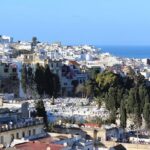
Next is the Kasbah District, built uphill over the Strait of Gibraltar, the Iberian Peninsula, and down toward the Medina. This is one of those places where geography does half the storytelling. The streets aren’t just streets; they’re built into a defensive, layered layout that shapes how you move.
You’ll meander around the intricate alleyways, and you’ll reach the Kasbah’s main square. Your guide explains Islamic religion and highlights how architecture and design are symbolic—meaning you’ll look at buildings with a different mindset than if you were just passing through.
The viewpoint energy here is real. Even without a long lookout stop, the Kasbah’s height gives you that layered feeling: you see neighborhoods stacking, roads threading down, and the ocean acting like a constant background.
If you like places where you can understand the “why” behind the “what,” this segment usually lands well. It also sets you up for the Medina, because suddenly the city feels like one connected whole rather than two separate tourist zones.
Medina and the souks: shopping time with real structure
After the Kasbah, you move into the Medina, where cafes and shops take over street-level life. This is where you slow down mentally, because the Medina works by browsing and getting oriented by repeated sights.
You’ll also see preserved heritage details like a communal oven/bakery, along with mosques and hammams. Even if you don’t go inside every site, these references make the area feel lived-in, not staged. It’s the difference between seeing architecture and understanding daily rhythms.
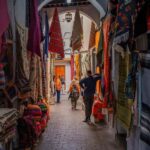
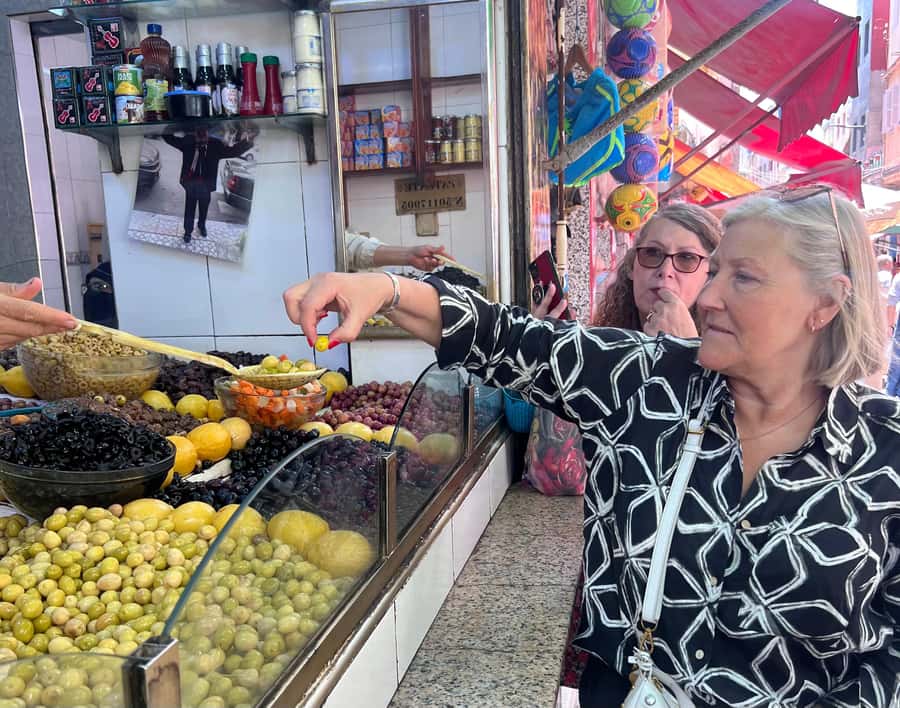
Then comes the souks. The key thing I like here is that the markets aren’t treated as one blur. The souks are divided into sections by specialty—spices, antiques, vegetables, olives, leather, chandeliers, and more. That structure helps you shop without getting overwhelmed. You’re not just wandering; you’re moving through categories.
This tour may also include a stop at the former American Legation, tied to early diplomatic ties between Morocco and the United States. Even as a quick visit, it adds a surprising extra layer to Tangier’s story—proof that the city has attracted attention far beyond its own region for a long time.
Shopping tip: wear a neutral attitude. Enjoy the browsing, ask questions, and expect prices and offers to reflect the market vibe. If you’re not trying to haggle hard, you can still enjoy it by focusing on small items you can carry comfortably.
Meals, pacing, and what the $648 is really buying
This day trip includes breakfast in Tangier and lunch, plus the guided structure that keeps meals and sights from turning into a self-planned maze. For a one-day cross-border outing, that matters. Eating is part of the experience, but it’s also where plans can fall apart if you’re coordinating on your own.
Now, about the price: it’s $648 per person. On paper, that’s steep for a day. But you’re paying for a bundle of things that individually cost time and money—ferry tickets (round-trip), private round-trip transfers from Marbella/Estepona, an air-conditioned vehicle for the city portion, a personal guide, and the camel ride experience. You’re also buying yourself a reduced-stress day, especially if you don’t want to manage transportation and navigating alone.
Is it worth it? It tends to be best value when you want:
- a guided explanation that makes the city feel readable
- comfort between walking moments (that minivan helps)
- a full day that doesn’t depend on your timing instincts
If you’re the type who loves long independent wander days, you could spend less by traveling without a guide. But you’d also lose some of the “why this place matters” context and the smooth transitions between zones.
Pacing-wise, it’s packed. The good news: the day is structured with multiple segments, and the camel ride + Medina + Kasbah combination is a strong arc. The not-so-good news: you’ll want to be okay with walking on hills and uneven surfaces. Comfortable shoes aren’t optional.
Should you book this Tangier day trip?
I’d book this if you want one guided day that hits the big Tangier themes: the Medina souks, the Kasbah viewpoint, European-influenced Ville Nouvelle, a coastline break at Cap Spartel, and the signature camel ride. It’s also a smart pick if you prefer to minimize logistics stress and maximize explanation.
I wouldn’t book it if you:
- hate long days and prefer slow, open-ended exploring
- need fully accessible routes (this tour is not suitable for wheelchair users)
- want lots of free time with zero structure
If you’re on the fence, here’s my practical advice: treat this as a guided sampler. You’ll see several worlds in one day, and you’ll get enough context to decide what you’d want to revisit later for a deeper look.
FAQ
FAQ
How long is the Tangier day trip from Marbella?
The total duration is 10 hours, including ferry time and guided sightseeing in Tangier.
Where are the pickup and drop-off locations?
Pickup and drop-off are available in Marbella and Estepona.
Is a passport required?
Yes. A passport is required for ferry travel.
What ferry route does the tour use?
You travel by ferry from Tarifa to Tangier, and then return from Tangier to Tarifa.
How much guided time do you get in Tangier?
You’ll have a guided sightseeing tour in Tangier for about 6 hours.
What meals are included?
Lunch is included, and breakfast in Tangier is also included.
Do you get to ride a camel?
Yes. The tour includes a camel ride experience along the Atlantic coastline.
What languages are the live guides?
The guide offers live commentary in Arabic, English, and Spanish.
Is the tour wheelchair accessible?
No. It is not suitable for wheelchair users.