REVIEW · NAHA
From Naha: Snorkeling Tour to Kerama by Ferry
Book on GetYourGuide →Operated by Jumbo Tours Co.Ltd. · Bookable on GetYourGuide
Ferries and buses can feel like a lot, but this day outing delivers clear water and an easy snorkeling setup. I like that the experience is built for first-timers and non-swimmers alike, with clear on-water guidance and staff who stay with you in the water.
What I really like is the mix of snorkeling + beach time. You get a solid chunk relaxing at Aharen Beach (plus lunch in the warm months), not just a quick swim and rush back. That said, the schedule is travel-heavy, so you’ll spend a good portion of the day commuting before the best moments kick in.
If you’re expecting to bounce between lots of different snorkeling sites all day, adjust your expectations. The plan centers on standout water and one main snorkeling experience, and some people feel the free time after the snorkel runs a bit long.
In This Review
- Quick takeaways before you go
- The Kerama Blue reason you’ll remember this day
- Naha to Tomari Port: get your bearings early
- The ferry ride: relaxing, but it eats time
- The Sea Friend shuttle to Aharen Beach
- Aharen Beach: where the real vacation time happens
- Snorkeling with instruction: what you’ll do in the water
- Who this tour suits (and who should skip it)
- Price and value: is $75 a good deal?
- My booking verdict: should you go?
- FAQ
- Where is the meeting point for this tour?
- What time does the ferry leave from Naha?
- How long is the ferry ride?
- What happens after you arrive on Tokashiki Island?
- How much time do you get at Aharen Beach?
- Is lunch included?
- Is snorkeling equipment provided?
- Do I need a printed voucher?
- Is there staff waiting at the ferry terminal for tickets?
- Who should avoid this snorkeling plan?
Quick takeaways before you go
- Small group (max 4): easier pacing and more attention from the instructor in the water.
- Kerama Blue snorkeling: you’re aimed at some of the best-looking water around Tokashiki and the Kerama area.
- Aharen Beach is built into the day: you don’t just “do snorkeling,” you actually get to hang out.
- You’ll manage your own port logistics: there are no tour staff waiting at the ferry terminal, so plan to follow the ticket steps.
- Not a lunch-in-every-month plan: lunch is included only for April–October departures.
The Kerama Blue reason you’ll remember this day
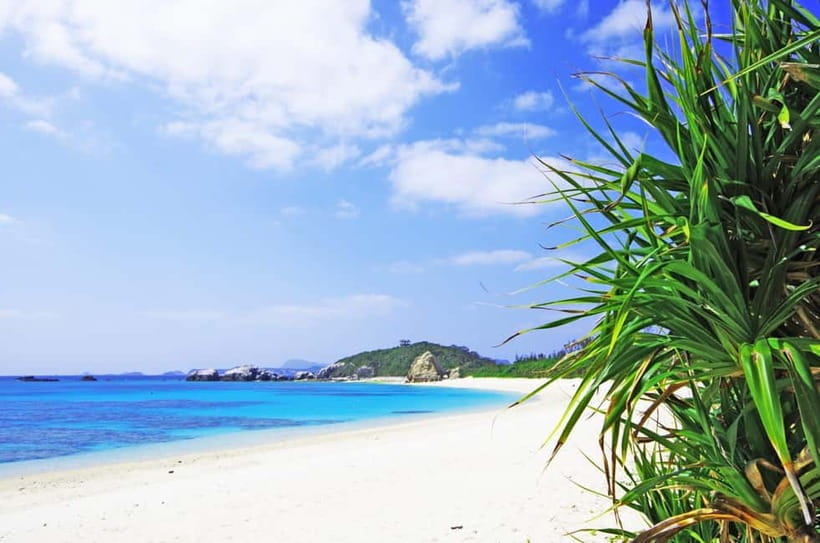
Kerama waters have a reputation for a reason. The color you’re chasing is that bright, clean Kerama Blue that makes coral and fish pop fast once you’re in the water. Even if you’ve snorkeled before, this kind of visibility changes the vibe. It’s not just “seeing fish”—it’s seeing them with enough clarity that you can actually track movement and enjoy the shapes of coral.
One big advantage here is that the experience is structured so you don’t have to be an expert swimmer to join. The instructor gives snorkeling instructions, and they accompany you in the water. That matters because your time is limited—when you feel confident, you make the most of the moments you’re actually underwater.
I also appreciate the overall rhythm. You’re not stuck in one cramped waiting area all day. You move from Naha to Tokashiki, get transported to Aharen Beach, then you shift into beach mode after snorkeling. It turns the day from “work” into a vacation.
Naha to Tomari Port: get your bearings early
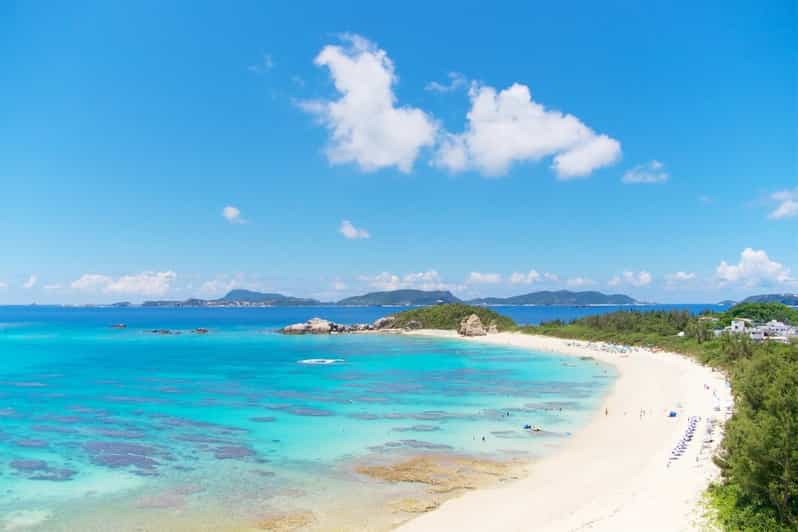
Your day starts at Tomari Port in Naha (the Tomarin building area, specifically the Tokashiki ticket office). The tour information is clear about meeting time: be there 30 minutes before the ferry departure.
Two practical notes that help you avoid stress:
First, the ticket process is on you. There are no staff or tour guides waiting at the port to hand you anything. You’ll need to go to the Tokashiki Island ticket counter yourself and show the email for your reservation. That email isn’t your ticket—think of it as your proof to get the real ticket.
Second, there’s an environmental cooperation tax of JPY 100 for people age 16 and up paid at the ticket counter. If you’re traveling with teens or adults, keep a little cash ready so you don’t get stuck mid-line.
The driver is listed as speaking English and Japanese, which can be helpful if you need quick direction when you’re moving between port, bus, and beach.
The ferry ride: relaxing, but it eats time
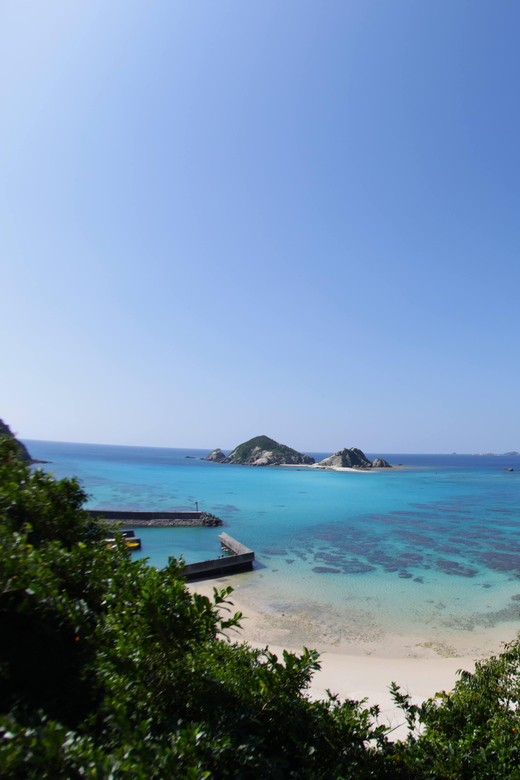
The ferry segment is a simple piece of travel math: 70 minutes each way. Outbound, you depart Tomari Port at 10:00 and arrive Tokashiki Port at 11:10. Return leaves Tokashiki Port at 15:30 and lands back at 16:40.
Here’s why the ferry matters to you:
- It’s comfortable and part of the day’s pacing.
- It also means you don’t get to treat this as a “grab snorkeling whenever” plan. You commit to the schedule, and you commit to the commute.
A few people have noted that the day feels long relative to the time spent at the beach. That’s not a flaw with the operators as much as a reminder: this is a day trip. Your best time is clustered around Aharen Beach and the boat portion. If you hate travel days, you’ll feel that more than the average person.
Still, the payoff is that you’re not stuck driving around on Okinawa main island. You’re transferring to an island setting quickly and directly.
The Sea Friend shuttle to Aharen Beach
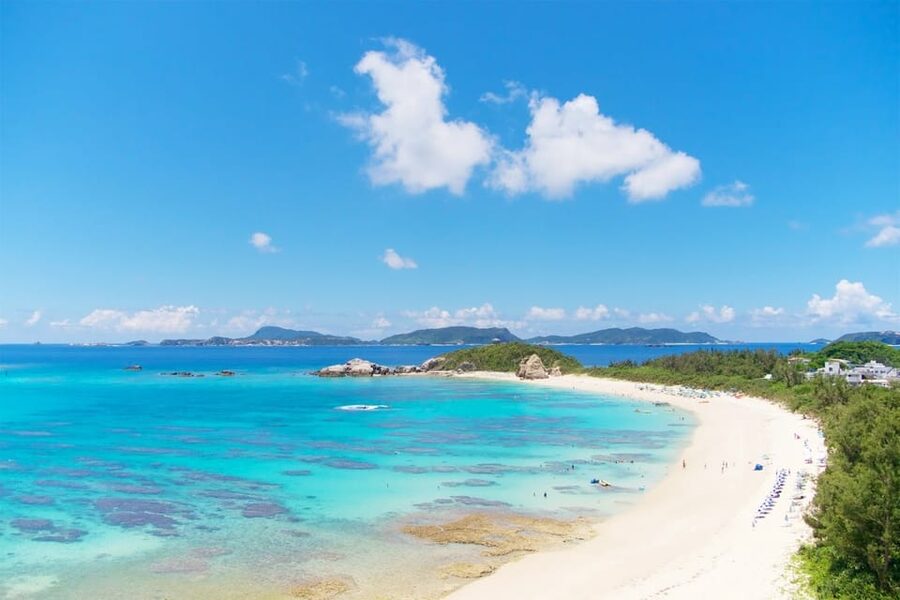
When you arrive at Tokashiki Port, look for a small bus with a sign that says Sea Friend. The shuttle ride is short—about 10 minutes—and it takes you from the port to Aharen Beach.
This part is surprisingly important for how smooth the day feels. You’re not waiting around for transportation once you’re on Tokashiki. You check in at the Sea Friend shop, then you move on to the next step: snorkeling by boat.
Also, this is one of those “little things” that prevents time loss. When local transportation lines up well, you don’t burn your energy negotiating or guessing. You show up, check in, and go.
Aharen Beach: where the real vacation time happens
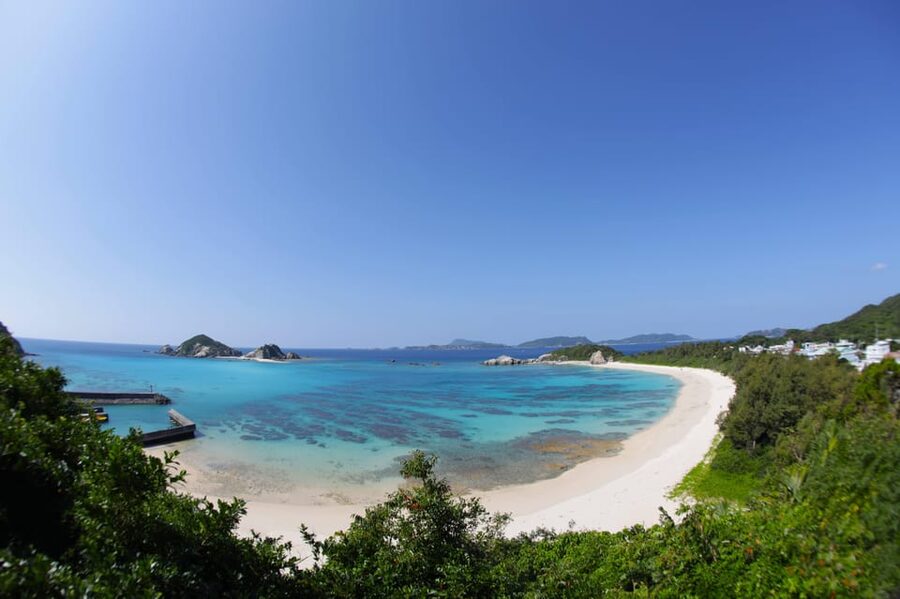
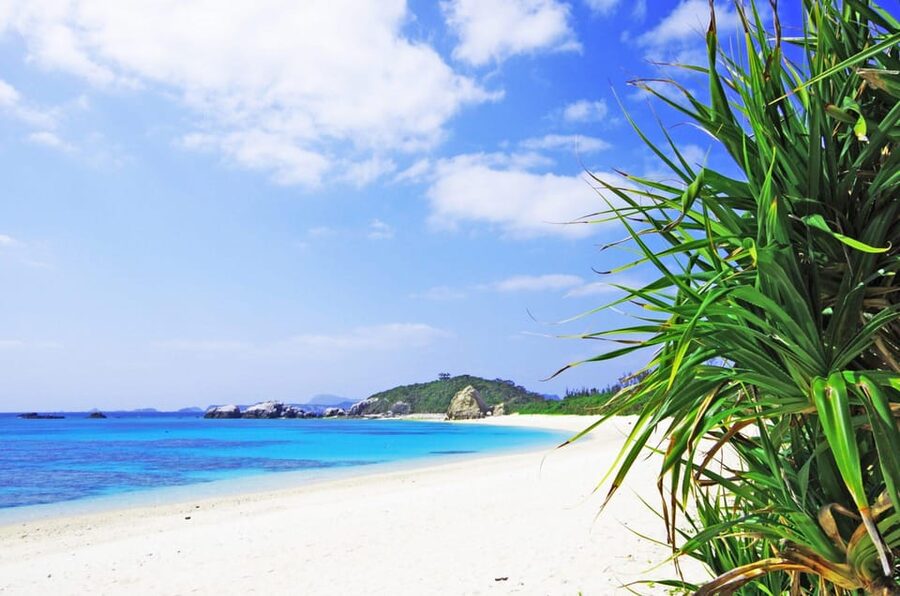
Once you reach Aharen Beach, you get a big block of time—about 4.5 hours—for lunch (season-dependent), swimming, and simply being on the beach.
That beach time is the tour’s hidden value. You’re paying money not only for snorkeling but for a setting that lets you recover between water sessions. After you’re suited up and out of the water, you’ll want shade, a place to sit, and time to watch the sea instead of constantly moving.
A few useful details:
- Lunch is included only for April to October departures. If you’re going November to March, plan on skipping lunch or bringing your own food.
- The tour includes a shower fee, which is a big quality-of-life item if you want to rinse off after being in saltwater and sunscreen.
- Bring what you need for a comfortable beach stay: swimsuit, a towel, and a change of clothes are listed as required. You’ll also want to bring motion sickness prevention just in case the boat ride affects you.
One tip from real-life experience: if you want extra comfort, it can be worth renting beach shade like parasols and chairs. Even if you come prepared, having a simple “setup” helps you relax instead of just surviving the sun.
And yes, Aharen Beach is the kind of place where “just sitting” still feels like part of the day’s fun. The whole point is that you leave Okinawa main island and land somewhere that feels like a small escape.
Snorkeling with instruction: what you’ll do in the water
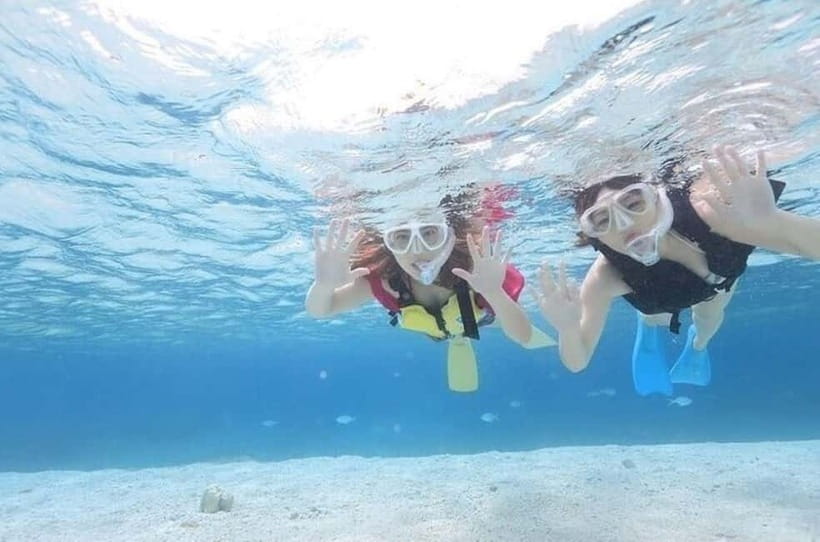
Here’s the best part of this tour: you go snorkeling with guidance, and you’re not left figuring it out alone. The instructor provides snorkeling instructions before you get into the water.
You’re taken by boat to snorkeling points in the Kerama area. The goal is that bright water where coral and fish are easy to see. Based on what people have described, you may focus on one main snorkeling area rather than hopping between many sites. If that’s what you want—one good, well-managed snorkeling experience—it works well.
What you can realistically expect to spot:
- Coral reef structure (the kind you don’t just pass over)
- Colorful fish, and sometimes more exciting moments like a sea turtle sighting
- Fish that stand out visually enough that guides may point out recognizable patterns (some guests mention guides identifying fish like Nemo and Dory)
The instructor accompanies you while you’re in the water. That’s a comfort factor, especially if you don’t swim well. It’s also why the small group size helps: fewer people means less chaos in the water and more direct attention.
One more practical note: rental equipment is included—a 3-piece snorkeling set plus a life jacket—and it’s available only during the designated course time. That means you shouldn’t count on having gear beyond the snorkeling window, so do your beach time plan accordingly.
Who this tour suits (and who should skip it)
This works best if you want a one-day change of scenery without doing a full-blown independent trip. You get the ferry, local transfer, snorkeling instruction, and beach time in one package.
It’s a strong fit if:
- You’re traveling with friends or family and want a calmer small-group experience (max 4 participants).
- You want snorkeling support even if you’re a first-timer.
- You care as much about beach time as you do about the water itself.
It’s not a fit if:
- You’re pregnant or you have heart problems (listed as not suitable).
- You use a wheelchair (listed as not suitable).
- You have epilepsy (listed as not suitable).
- Your child is under 6 (children aged 0–6 can’t participate in the snorkel plan).
If you’re sensitive to motion or prone to seasickness, plan ahead. Motion sickness medication isn’t included, but prevention is recommended and you can bring your own.
Price and value: is $75 a good deal?
At $75 per person for a 7-hour day, this isn’t a “cheap and cheerful” option. But it also isn’t overpriced for what you’re getting—especially if you value structure.
Here’s what’s included that pushes value in your favor:
- Round-trip ferry fare between Naha and Tokashiki
- Equipment rental (snorkeling kit + life jacket)
- Transfers on the island (Tokashiki Port to Aharen Beach)
- Lunch for April–October departures
- Shower fee, plus taxes
What costs extra or needs you to prep:
- Lunch outside April–October
- Swimsuit, towel, and a change of clothes
- Motion sickness prevention
Also, the “value” depends on what you want out of the day. If you treat this as a beach outing with guided snorkeling as the activity, it makes more sense. If you only care about maximizing underwater time and dislike travel-heavy schedules, you may feel the commute steals minutes from the experience.
In other words, you’re paying for a smooth handoff: ferry + island transport + guided snorkeling + time to decompress. That convenience is real, even if the sea day isn’t pure snorkel time.
My booking verdict: should you go?
I’d book this if your ideal day in Okinawa includes a ferry ride, Kerama Blue water, guided snorkeling, and a relaxed block of beach time at Aharen Beach. The small group and instructor support are the two reasons it works for more people—not just strong swimmers.
Skip it if you want a packed, multi-site snorkeling day or if long travel hours will ruin your mood. You’ll still enjoy the water and beach, but this plan isn’t built to be “all snorkeling all day.”
If you do book, come prepared for practical comfort: bring your towel and change of clothes, plan for sun/shade, and don’t ignore motion sickness prevention.
FAQ
Where is the meeting point for this tour?
You start at Tomari Port in Naha, at the Tomarin building / Tokashiki ticket office.
What time does the ferry leave from Naha?
The outbound ferry departs 10:00 from Tomari Port and arrives at Tokashiki Port at 11:10.
How long is the ferry ride?
The ferry ride is listed as 70 minutes each way.
What happens after you arrive on Tokashiki Island?
Look for a small Sea Friend bus at Tokashiki Port. It takes you about 10 minutes to Aharen Beach, where you check in at the Sea Friend shop.
How much time do you get at Aharen Beach?
You get about 4.5 hours at Aharen Beach for lunch (if included), swimming, and free time.
Is lunch included?
Lunch is included only for departures from April to October. There is no lunch from November to March.
Is snorkeling equipment provided?
Yes. Rental equipment includes a 3-piece set and a life jacket.
Do I need a printed voucher?
Yes, a printed voucher is required.
Is there staff waiting at the ferry terminal for tickets?
No. There are no staff or tour guides at the port to give tickets. You must go to the Tokashiki Island ticket counter on your own and show the email to receive your boat ticket.
Who should avoid this snorkeling plan?
It’s listed as not suitable for pregnant women, people with heart problems, wheelchair users, and people with epilepsy. Children aged 0–6 cannot participate in the snorkel plan.