REVIEW · HOBART
Hobart: Mt Wellington, Mt Field, Bonorong and Richmond Trip
Book on GetYourGuide →Operated by iWander Tasmania · Bookable on GetYourGuide
One day, four Tasmania icons. This Hobart day trip strings together Mt Field rainforest walks, Bonorong wildlife encounters, the old-streets charm of Richmond, and panoramic Mt Wellington viewpoints.
I love how the day balances big sights with time to actually stand in them, especially at Russell Falls under the tall-tree forest. I also love the wildlife focus at Bonorong, where you can hand-feed kangaroos and then meet Tasmanian devils.
A key consideration: Mt Wellington summit timing depends on weather and cloud cover, so the view you get is always a bit of a gamble, and the bus ride can feel tight for some people.
In This Review
- Key Highlights Worth Getting Excited About
- A 9-Hour Wildlife Hit from Hobart
- Hotel Pickup and the Derwent Valley Drive: The Pace Settles In Early
- Mt Field National Park: Russell Falls and the Fern-Forest Walk
- New Norfolk and a Break for Stretching: A Reboot Before Wildlife
- Bonorong Wildlife Sanctuary: Kangaroo Feeding and Tasmanian Devils
- How the guide changes the sanctuary experience
- Richmond, Tasmania: Historic Streets, Shopping Time, and Slow Wandering
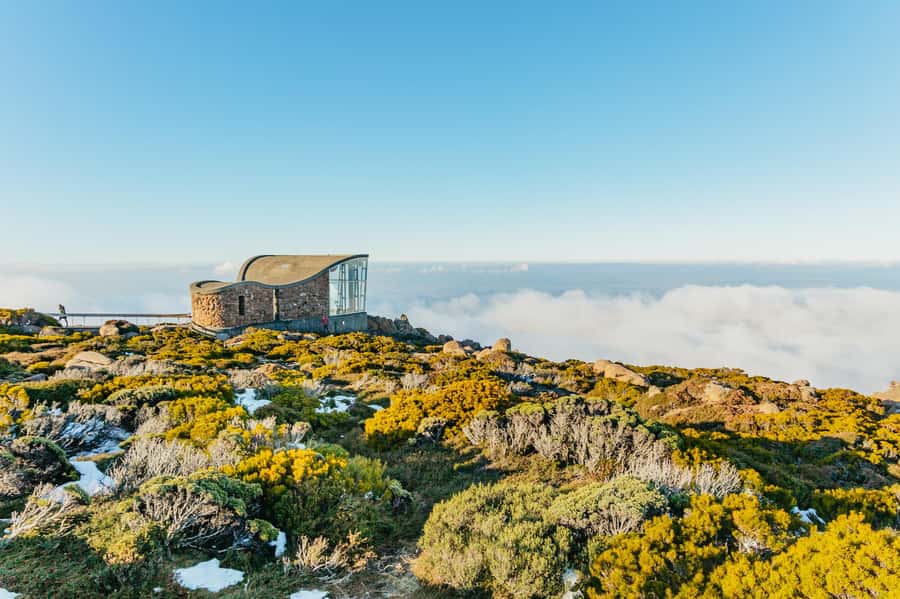
- Wellington Park and Mt Wellington: Summit Timing, Weather, and Big Views
- What makes Mt Wellington worth the risk
- Transportation, Timing, and Group Comfort: What You Should Expect
- Value and Price: Is $126 Worth It?
- Who Should Book This Trip (and Who Might Not)
- Should You Book This Hobart Mt Field, Bonorong, Richmond, and Mt Wellington Day Trip?
- FAQ
- What time is pickup in Hobart?
- How long is the trip?
- Which stops are included on the day trip?
- Is food included?
- Will Mt Wellington always be at the summit?
- Where are the pickup and drop-off locations?
- What should I bring?
- Is the tour guided in English?
Key Highlights Worth Getting Excited About
- Russell Falls inside Mt Field’s rainforest: big falls plus a walk that’s made for breathing easier and slowing down.
- Hand-feeding kangaroos at Bonorong: a hands-on wildlife moment, not just photos from a distance.
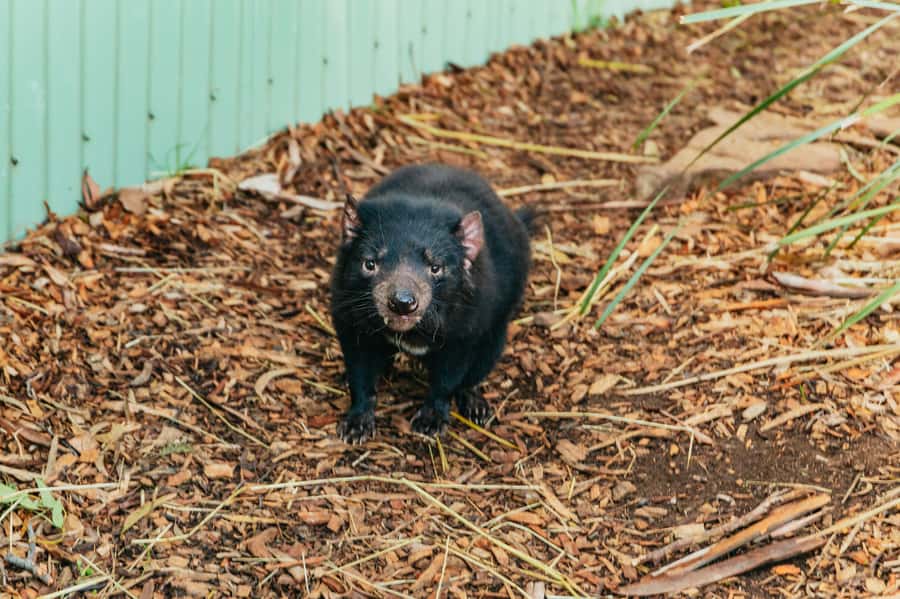
- Tasmanian devils up close: a real conservation story tied to rescues and care.
- Richmond’s historic streets: a proper step back in time with time for shopping and wandering.
- Mt Wellington views with flexible timing: summit happens early or late based on conditions.
A 9-Hour Wildlife Hit from Hobart
This is a classic Hobart “see a lot, without doing the logistics” day trip. You start with hotel pickup in central Hobart (seven meeting spots), then ride out through the Derwent Valley toward Tasmania’s best-known nature stops. The whole trip clocks in around 9 hours, so it’s long enough to feel like a full day, but short enough that Hobart doesn’t lose its place as your base.
What makes the route appealing is the mix: rainforest and waterfalls, a wildlife sanctuary, a historic town, then the payoff view from Wellington Park and Mt Wellington. It’s the kind of itinerary that helps you quickly understand what Tasmania does well—wet forests, unusual animals, and that dramatic “up high, look down” feeling around Hobart.
I also like that the day isn’t just a parade of stops. You get free time at major points (Mt Field and Richmond), plus set activities at Bonorong. One passenger summed up the vibe as relaxed and informative, and the schedule generally supports that.
Hotel Pickup and the Derwent Valley Drive: The Pace Settles In Early
The day begins between 7:30 am and 7:50 am pickup from your selected central Hobart hotel area. The actual pickup time depends on which of the seven meeting points you choose. Once everyone’s in, you head off by coach and settle into the day’s rhythm.
A nice detail here is that the route isn’t “straight to the first attraction.” You’ll pass through the Derwent Valley, with time to get oriented and let the scenery start working in your favor. One guide-led theme that shows up across experiences with iWander Tasmania is that you’re not just staring out the window—you’re getting little bits of context along the way. That’s a big value-add on a day trip, because it helps you connect the dots faster once you reach the parks and towns.
Drive segments in the day plan include stretches around 75 minutes early on, then additional coach hops between stops. The day moves on a steady schedule, with small transfer blocks that keep you from feeling stuck in transit for hours at a time.
Mt Field National Park: Russell Falls and the Fern-Forest Walk
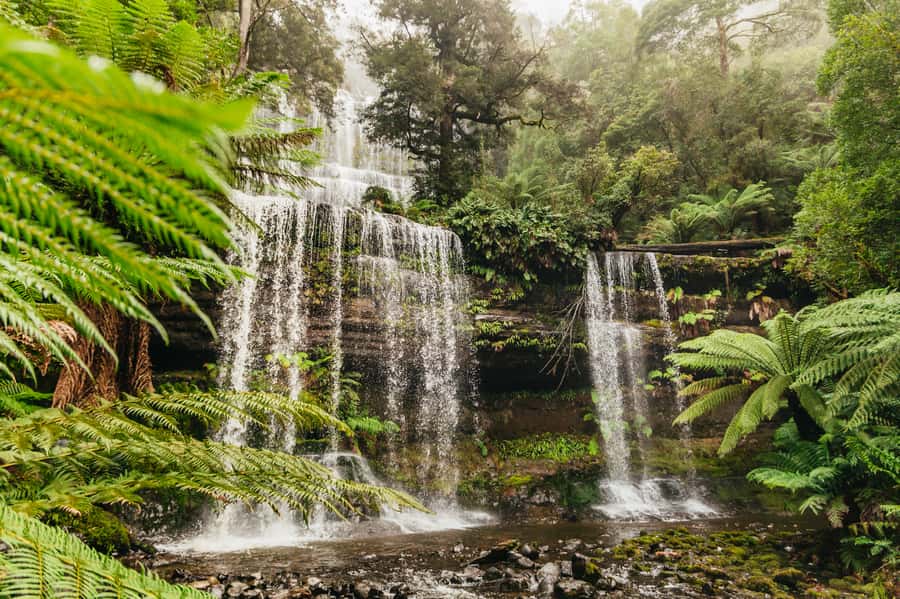
Mt Field National Park is where the day turns from “road trip” to “get your shoes dirty.” You’ll spend about 1.5 hours in the park, with sightseeing and walking plus free time. This is also where the trip hits one of its biggest nature anchors: Russell Falls.
If you’ve seen waterfall photos online, you’ve probably already got an idea of what Russell Falls is like. But what matters here is the setting. You’re not viewing the falls from a barren lookout. You’re walking under huge tree ferns and tall forest trees, with that damp-air hush that makes you slow your steps without trying. In multiple experiences, people have singled out the walk in Mt Field as a highlight, including the tall-tree sections and the overall rainforest feel.
Some guests also mention the Horseshoe Falls area as part of the walking experience. Even if you’re aiming only for Russell Falls, it’s worth staying flexible once you’re there. The walk is a chance to trade quick photo stops for a “look around” kind of outing.
Practical tip: wear comfortable shoes and expect uneven ground on rainforest paths. Bring water. It sounds basic, but on a humid, cool day, you’ll still feel better if you’re not rationing sips.
Possible drawback to know: if the rainforest walk is the thing you care most about, arrive with the mindset that this is a walk, not a boardwalk stroll. One set of feedback called it strenuous, so pace yourself and don’t try to power through just because the group moves together.
New Norfolk and a Break for Stretching: A Reboot Before Wildlife
After Mt Field, the itinerary continues toward the next stops and includes a stretch through the route with another coach transfer (about 50 minutes indicated in the day’s timing). There’s also a stop at New Norfolk, where your guide explains local history. This is one of those “small but useful” moments that helps Richmond and the broader Tasmania story make sense later.
Then comes the reset: you’ll have time to stretch and grab a bite to eat before heading to Bonorong Wildlife Sanctuary. Food isn’t included, so plan on buying your own. The good news is that having a break before a wildlife-focused stop keeps the day from feeling like nonstop pressure.
This portion matters because it gives you the energy to enjoy the sanctuary properly. If you’re traveling with kids or you get easily fatigued on tours, that short reboot can be the difference between loving the wildlife segment and wishing you’d booked something shorter.
Bonorong Wildlife Sanctuary: Kangaroo Feeding and Tasmanian Devils
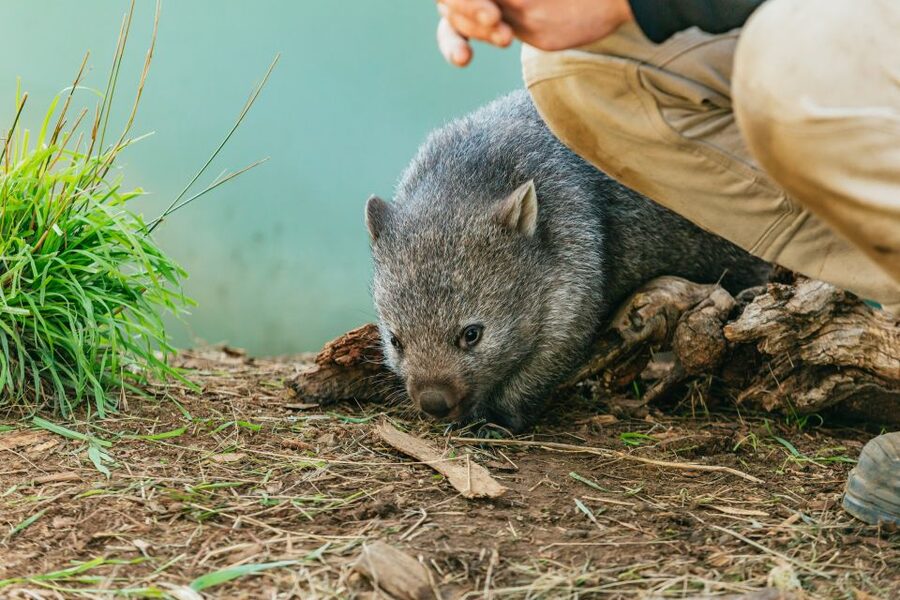
Bonorong Wildlife Sanctuary is the day’s most emotionally sticky section. You’ll spend about 1.5 hours here, with a guided component plus free time to explore and wildlife viewing.
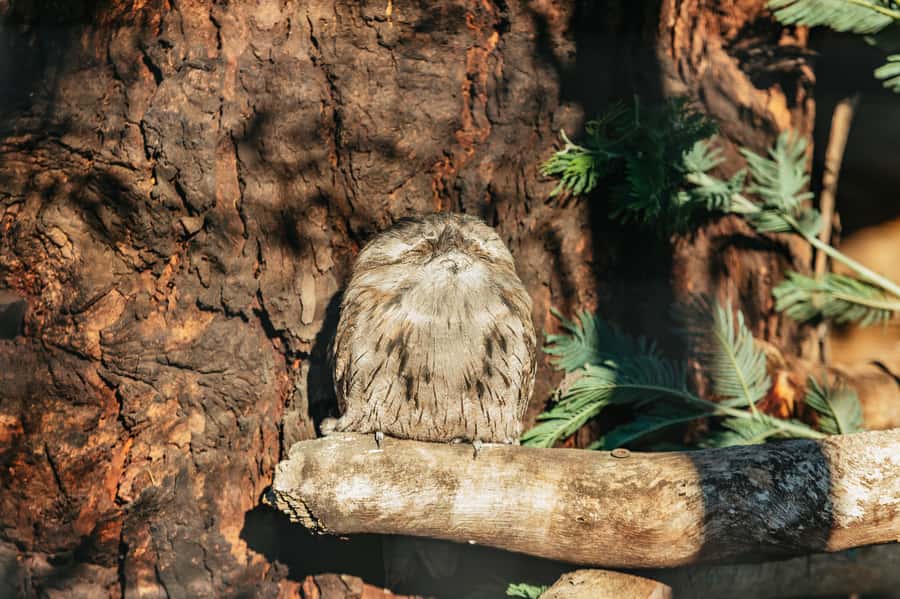
The headline experience is meeting Tasmanian devils and learning what conservation work looks like on the ground. People consistently highlight the devils as a wow moment—not because they’re a theme park act, but because the sanctuary setting makes the animal’s story feel real.
Then there’s the hands-on part: hand feeding kangaroos. This is one of those experiences that’s hard to fake with a photo. You’re close enough to notice behavior, not just bodies. Multiple reviews praise this feeding moment as a highlight, and it’s easy to see why: it’s playful, it’s sensory, and it’s the kind of thing you remember long after the waterfall photos.
A quick practical note: you’ll want to follow staff and guide instructions closely around feeding and animal areas. Keep your expectations reasonable. It’s wildlife care and feeding in a sanctuary context, not a controlled performance where animals will line up on command.
How the guide changes the sanctuary experience
The sanctuary segment tends to work best when the guide is good at connecting facts to what you’re seeing. Guides named in experiences include Brett, Gary, Jarrod, Scott, Paul, and Hans, and many guests mention that the guide’s animal facts and humor make the day feel personal. One passenger even described a guide with a former zookeeper background, which is the kind of lived experience you can feel when someone explains why certain behaviors matter.
Richmond, Tasmania: Historic Streets, Shopping Time, and Slow Wandering
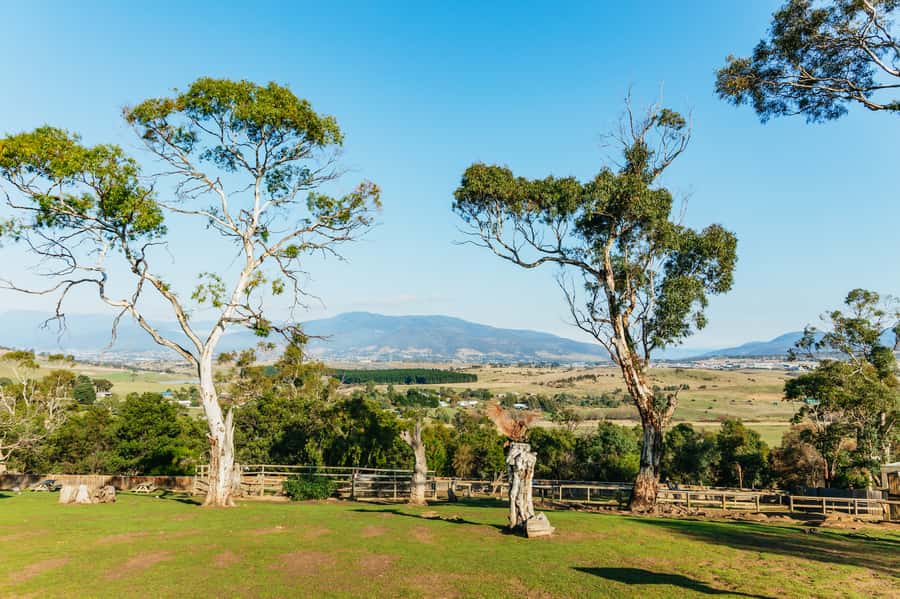
After the sanctuary, the day ends with a stop in Richmond, Tasmania. You’ll have about 1.5 hours for break time, free time, shopping, sightseeing, and a walk.
Richmond’s appeal is simple: it feels like stepping into a different era. It’s known for old buildings and a streetscape that’s made for slow walking. In feedback, people repeatedly mention the historic buildings and that Richmond is a great place to get a sense of how early life and settlement patterns shaped the region.
This stop is also practical. It’s one of the easiest places to buy something small, grab a snack you actually want, and do a low-effort wandering session. If your legs are tired from the Mt Field walk, Richmond is a good recovery zone because it’s built around leisurely strolling rather than climbing.
My advice for using the time well: pick one “must-do” (a walk, a coffee, one shop stop) and then let the rest be flexible. With only about 1.5 hours, a shopping checklist can steal the charm from you.
Wellington Park and Mt Wellington: Summit Timing, Weather, and Big Views
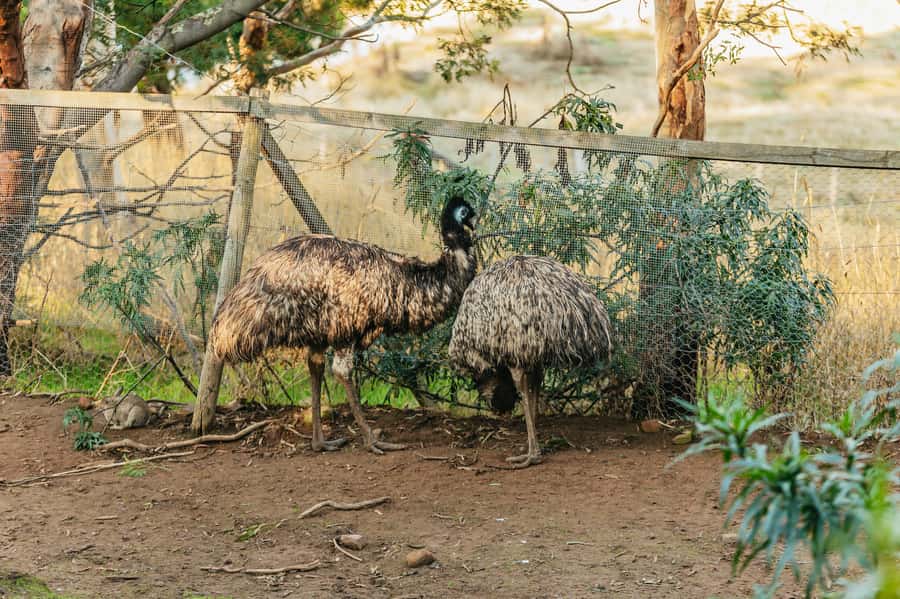
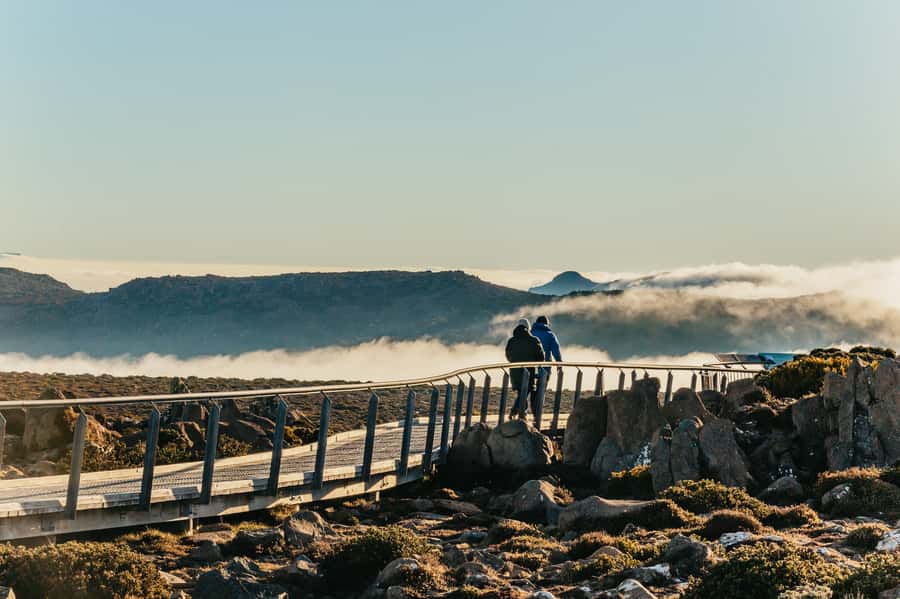
Wellington Park is where the itinerary swings toward “Hobart from above.” You’ll have about 45 minutes at Wellington Park for photo stops and sightseeing on the way, then the day culminates with the Mt Wellington summit.
Here’s the key detail you should know before you book: Mt Wellington summit time depends on weather, especially cloud cover. On clearer days, you may go earlier in the morning. On more cloud-prone conditions, you may go later in the afternoon. That flexibility is built into the day plan, and it affects what you might see.
Weather in this part of Tasmania can change fast. In experiences like this, people report everything from snow to clouds to rainbows, plus the cold, windy feeling that comes with higher altitude. Even if the forecast looks fine, plan for the summit to feel colder than town.
What to wear: layers and a warm outer layer. Comfortable walking shoes help too, because “photo stop” areas can still involve short walks or windy footing.
What makes Mt Wellington worth the risk
Even when clouds roll in, Mt Wellington is still valuable because the stop isn’t only about the absolute clearest sky. You get a sense of scale—how Hobart sits in relation to the surrounding terrain—and that helps every other stop click into place. When the summit is clear, the payoff is the kind of view that makes you understand why locals talk about this region with pride.
One traveler specifically mentioned enjoying fun and hype resisting high winds and cold temperatures. That’s a sign this is an active lookout experience, not a couch-view attraction.
Transportation, Timing, and Group Comfort: What You Should Expect
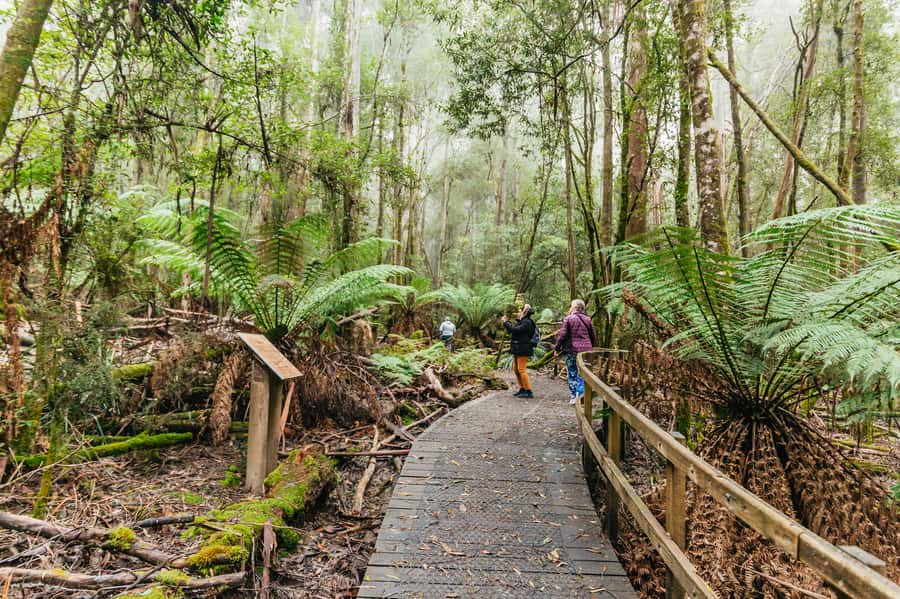
You’ll be on a bus/coach for the day, and while the ride is part of the convenience, comfort can be hit-or-miss.
The majority of feedback is positive about pickup being prompt and the day feeling well paced. Some guides also helped people plan around Hobart after the tour, including local walk ideas and food suggestions.
Still, one drawback that did show up: bus legroom can feel tight for some passengers. If you’re tall or you hate cramped seating, keep that in mind. Also note that the itinerary is timed. You won’t have control over the overall flow, so you’ll do best if you’re okay with group timing.
The schedule is built around a steady sequence:
- coach to Mt Field
- coach to New Norfolk
- coach to Bonorong
- coach to Richmond
- coach to Wellington Park and Mt Wellington
- return to Hobart drop-off
If you’re the type who gets stressed when days run tight, bring calm expectations. The most successful mindset is: enjoy each stop for what it is, instead of trying to optimize every minute.
Value and Price: Is $126 Worth It?
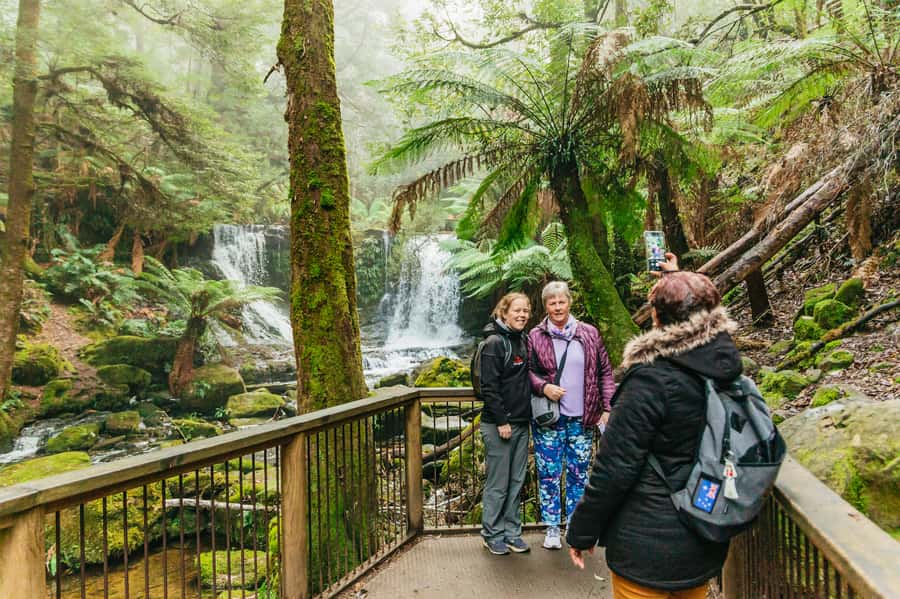
At $126 per person for a 9-hour guided day trip, this sits in the “solid value” zone for people doing a short stay in Hobart. You’re paying for three things at once:
- guided touring and on-the-ground context
- transport between several major sites
- paid entry to key attractions (Russell Falls and Bonorong Wildlife Sanctuary)
Food isn’t included, so you’ll add some extra cash for your own lunch/snacks. But the rest is set. That matters because day trips often look cheaper until you add entry fees and transport. Here, the paid components are clearly part of what you’re buying.
Where the value really shows up is in the combination. Mt Field waterfalls and rainforest walk are one full nature experience. Bonorong gives you the wildlife encounter you can’t easily replicate on your own. Richmond adds the human story. Then Mt Wellington gives the view payoff. Getting all of that in one day, with hotel pickup and drop-off, is hard to match by DIY unless you’re driving yourself and building a long, complex route.
If you care most about only one thing (just waterfalls, just animals, or just a summit), you might prefer a shorter focused tour. But if you want a “best of Hobart area” sampler with minimal planning, this price can make sense quickly.
Who Should Book This Trip (and Who Might Not)
This is a strong pick if you:
- want a first-time Hobart overview
- love wildlife and special animals like Tasmanian devils
- want waterfalls plus a rainforest walk
- like historic towns but don’t want to spend the whole day in museums
- prefer guided structure with hotel pickup
It may be less ideal if you:
- need lots of downtime between stops
- dislike cold and wind (Mt Wellington can be chilly and windy)
- have mobility limits that don’t mix well with a rainforest walking segment
- hate tight coach seating
Should You Book This Hobart Mt Field, Bonorong, Richmond, and Mt Wellington Day Trip?
I’d book this if you’re visiting Hobart for a short window and want a single day that covers nature, wildlife, history, and views without you planning every turn. The standout moments—hand feeding kangaroos and meeting Tasmanian devils, plus Russell Falls in a real rainforest walk—are exactly the kind of Tasmania memories that feel worth paying for.
The main reason to hesitate is weather. Mt Wellington summit timing and visibility depend on cloud cover. If you’re coming only once and the summit view is your top goal, you can still book with the understanding that conditions can change the outcome.
If you’re flexible, pack layers, wear good shoes, and go in ready for a busy but rewarding day, this tour is a very practical way to see the best around Hobart.
FAQ
What time is pickup in Hobart?
Pickup happens between 7:30 am and 7:50 am from selected central Hobart hotels, depending on your meeting point.
How long is the trip?
The total duration is about 9 hours.
Which stops are included on the day trip?
You’ll visit Mt Field National Park (including Russell Falls), Bonorong Wildlife Sanctuary, Richmond, and Wellington Park/Mt Wellington.
Is food included?
No. Food and drinks are not included.
Will Mt Wellington always be at the summit?
The Mt Wellington summit time depends on weather and cloud cover, and it will be scheduled either early in the morning or late in the afternoon.
Where are the pickup and drop-off locations?
Pickup and drop-off are from selected hotels in central Hobart, with 7 meeting points for pickup and 7 drop-off locations.
What should I bring?
Bring comfortable shoes and water.
Is the tour guided in English?
Yes. The live tour guide speaks English.