REVIEW · DARWIN
Tiwi Islands Cultural Experience from Darwin Including Ferry
Book on Viator →Operated by AAT Kings · Bookable on Viator
Tiwi stories start long before the island. This full-day trip from Darwin pairs a long ferry ride with local Tiwi guidance, so you’re learning the culture from people who live it, not just from a screen. I especially like the way guides such as Trevor and Cedric keep the day grounded in real community life.
I also love that the Tiwi Museum stop isn’t just a quick look—it includes displays tied to Tiwi dreamtime stories and the Early Mission Precinct. Add in hands-on cultural time like painting and weaving, and you get more than a “drive-by” cultural chat.
One watch-out: it’s a long day, and the ferry time plus group logistics can mean you’ll spend hours in transit and may need extra patience for meals. If you’re sensitive to noise or you struggle to hear in a group, plan to sit where you can follow the guide clearly, and bring a couple of backup snacks.
In This Review
- Key Things That Matter on This Tiwi Islands Day Trip
- From Darwin to Bathurst Island: What This Day Trip Feels Like
- Cullen Bay Check-In and the Tiwi Mantawi Ferry Ride
- Wurrumiyanga Welcome: Modern Life Meets Cultural Teaching
- Tiwi Museum and the Early Mission Precinct: The Best First Anchor
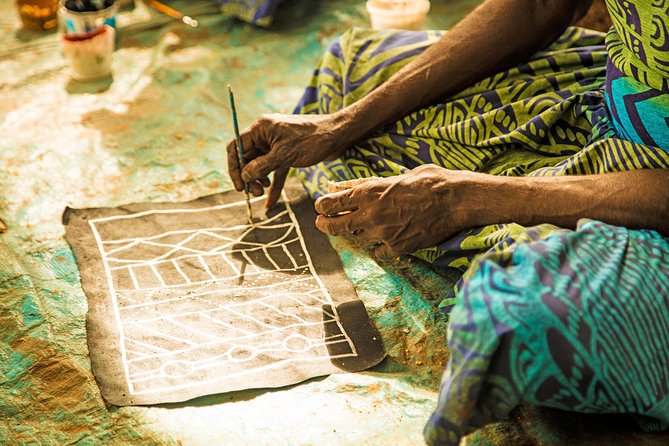
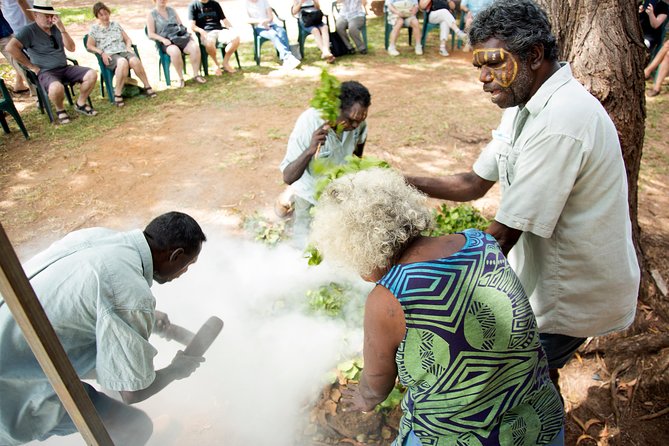
- Smoking Ceremony, Weaving, and Painting: Hands-On Cultural Time
- Lunch, Billy Tea, and the Food Timing Reality Check
- Value at $333.52: Is It Worth the Price?
- Long Day Tips: How to Get the Most From the Transit and Timing
- Who This Tiwi Islands Cultural Experience Suits Best
- Should You Book This Tiwi Islands Cultural Experience?
- FAQ
- How long is the Tiwi Islands cultural experience from Darwin?
- Where does the tour start and end?
- Do I need to arrange my own transport to the ferry terminal?
- Is the ferry included in the price?
- What meals are included?
- Is the Tiwi Museum entry included?
- What’s the group size like?
- Are dietary requirements handled?
- What happens if weather is bad?
- Can I cancel for a full refund?
Key Things That Matter on This Tiwi Islands Day Trip
- Ferry time is real time: plan for a 2.5-hour cruise each way on the Tiwi Mantawi
- Tiwi Museum + Early Mission Precinct: museum displays and mission-era context as part of the core program
- Hands-on culture: you can take part in activities like weaving and painting during the visit
- Meals are included, but timing can feel stretched: morning tea and lunch are both part of the day plan
- Small group size (max 20): easier to ask questions and stay together for cultural activities
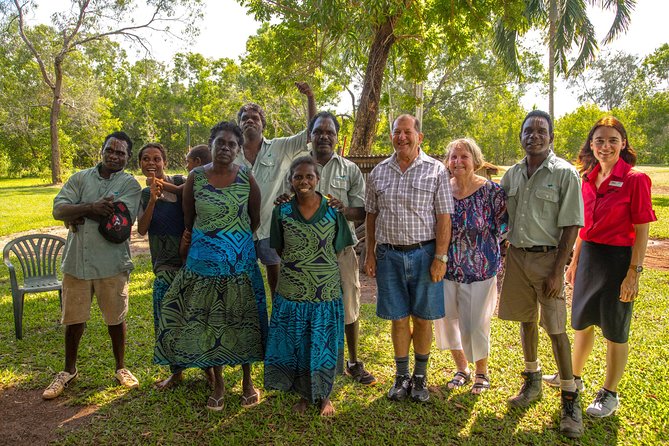
- Named local guides: many people rave about the storytelling from guides such as Roma, Fred, Steel, Adam, and Phelan
From Darwin to Bathurst Island: What This Day Trip Feels Like
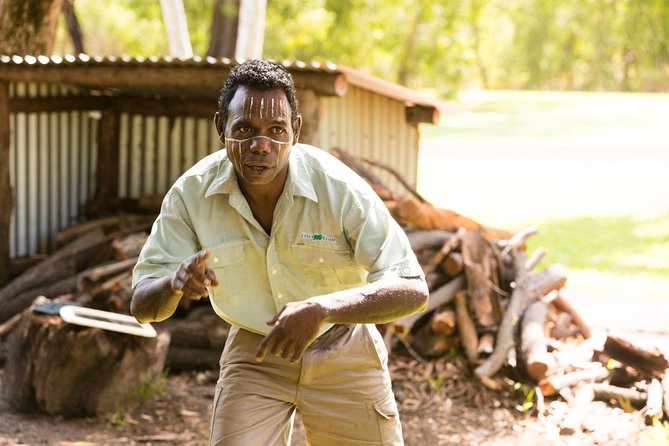
This isn’t a quick island taste. You’re committing to a proper full-day loop that starts in Darwin, crosses the Arafura Sea by ferry, and then slows down once you arrive on Bathurst Island at Wurrumiyanga.
What makes the trip feel worthwhile is that it’s set up for connection. The day revolves around meeting a local guide, visiting the museum and mission precinct, and then moving into cultural experiences like smoking ceremony, weaving, and painting—things you don’t usually get from a standard sightseeing tour.
Also, the group stays relatively small, capped at 20 people. That matters because cultural days go better when you can hear, ask questions, and keep your attention on what the guide is explaining rather than chasing a big crowd.
Cullen Bay Check-In and the Tiwi Mantawi Ferry Ride
You’ll start at Cullen Bay Ferry Terminal, about five minutes from Darwin’s CBD. There’s no hotel pickup, so you’ll want to plan your morning transport and arrive ready to check in on your own.
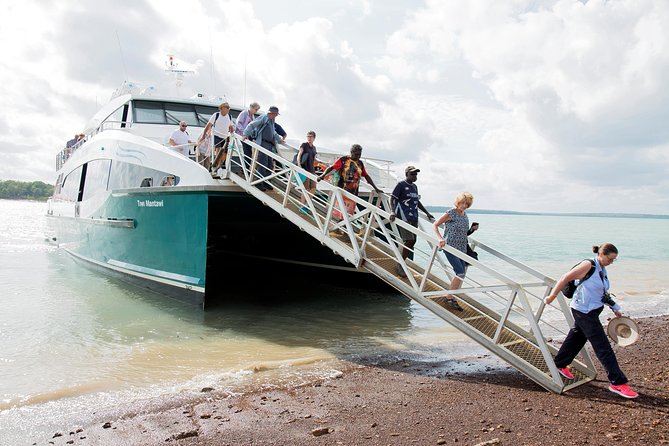
The tour includes the ferry crossing from Darwin to Bathurst Island, sailed aboard the Tiwi Mantawi. The cruise is listed as about 2.5 hours, and that’s the part of the day that can make or break your enjoyment—longer than some people expect, especially if you’re not a fan of sitting for hours.
Here’s what to do to make the ferry portion easier on you: eat something before you leave home (water and a light breakfast help), and bring small snacks you can nibble if you get hungry before lunch. A few people note that meals can feel spread out, and it’s smart to assume your “ride” day will need a little extra fuel.
Onboard, you’ll have options for where to sit. One helpful tip from the day-trip crowd: choose a spot where you can see the guide/driver interactions clearly, because a couple of people found it hard to hear commentary during the cruise. If your hearing is the issue, you can often fix it by simply adjusting your seat and facing the front of the group.
Wurrumiyanga Welcome: Modern Life Meets Cultural Teaching
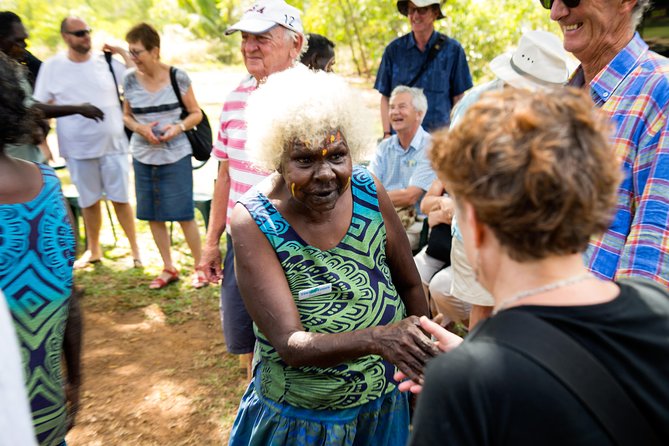
Once you reach Wurrumiyanga, you’ll meet your local guide and start the day’s story-led portion. This is framed as a look at both culture and daily life in the community, not just old legends in a museum display case.
The “modern Aboriginal community” angle matters. It reminds you that culture isn’t only something kept in the past—it’s practiced, taught, and lived now. That’s one reason many people come away feeling welcomed rather than like they were watching from the outside.
If you like asking questions, this part is where you’ll feel the most momentum. Guides are often funny, direct, and comfortable sharing. Names that show up in the guide stories include Roma, Fred, Steel, Trevor, Cedric, and Phelan, and the common thread is that they explain meaning, not just facts.
Tiwi Museum and the Early Mission Precinct: The Best First Anchor
This trip gives you a strong foundation before it turns hands-on. The Tiwi Museum stop includes displays of traditional Tiwi art and depictions of Tiwi dreamtime stories, plus time at the Early Mission Precinct.
Why I think this is a key value point: museum context makes the later activities land differently. When you understand what the stories are pointing to, you’ll see weaving and painting with a better sense of purpose, symbolism, and identity rather than treating them as just crafts for tourists.
The mission-era portion also helps you understand the broader historical arc. The museum frames the colorful history of early mission days, which is important context if you want the day to feel more than just performance and patterns.
Plan to take your time here. Some people say they could have spent longer in the museum area, and that’s a good sign: it means the displays hold more than one quick glance’s worth of detail. If you rush, you’ll miss the connections between stories, community life, and art.
Smoking Ceremony, Weaving, and Painting: Hands-On Cultural Time
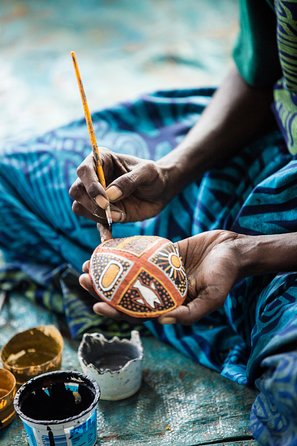
After the museum, the day shifts into cultural experiences where you’re not only listening—you’re participating. Depending on the flow on the day you go, this can include a traditional smoking ceremony, hand weaving, and painting.
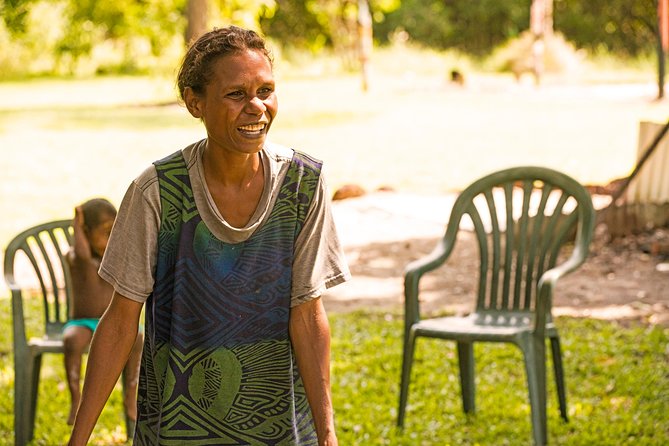
This is where the strongest praise tends to pile up. People often mention the smoking ceremony and dancing as standouts, and they also describe the experience as warm and inclusive once you’re in the moment. Some also talk about shell and body painting experiences, which aligns with the painting emphasis and the idea that you’ll see and learn techniques rather than just watch.
What I’d take from the feedback: your attitude matters. If you show up curious, ask respectful questions, and give the guide your full attention, the cultural activities tend to feel personal. If you show up treating it like a checkbox, you’ll likely feel let down—especially given the trip’s price.
Practical tip: slow down and watch hands. With weaving and painting, the “how” is part of the lesson. Even if you don’t retain every detail, you’ll leave with a better understanding of why materials, patterns, and process matter to Tiwi culture.
Lunch, Billy Tea, and the Food Timing Reality Check
Food is included, and that helps a lot on a long day. Morning tea is listed as billy tea and damper, and lunch is included as part of the tour package.
One thing to keep in mind: timing can be a bit tricky. Some people report that the morning tea items were served with lunch instead of as a separate break, and a few mention lunch arriving around early afternoon. If you’re particular about meal timing, treat the “morning tea” moment as a bonus rather than a strict clock appointment.
My advice is simple: don’t gamble your energy. Bring a couple of small snacks from home so you’re covered if your hunger hits before the scheduled meal. That way, the day feels like a cultural journey instead of a test of willpower.
On lunch itself, you can expect a served meal outdoors. People describe it as tasty and satisfying, often eaten outside under a tree. If you’re sensitive to sun, you’ll want sunscreen and a hat—because an outdoor lunch on the tropics can feel quick, even when the rest of the day moves slowly.
Value at $333.52: Is It Worth the Price?
At $333.52 per person, this is not a budget add-on. So you should judge value by what you actually get for that money—not just by the cultural “topic.”
Here’s what you’re paying for in a practical sense:
- Return ferry from Darwin to Bathurst Island (a major chunk of the cost in time and logistics)
- Air-conditioned minivan transport on the day, with an experienced driver guide
- Morning tea (billy tea and damper) and lunch
- Entry/visit included for the Tiwi Museum
- Cultural activities on the island, guided by local community members
That bundle is why many people call it excellent value. You’re getting transportation, food, and guided cultural access in one package, plus you’re supporting a local-run experience that’s built around community teaching.
Still, it’s fair to consider the negatives that show up for some people. A few say the experience felt expensive compared with similar-priced options, or that there was waiting time during parts of the day. Also, a small number mention difficulty hearing the guide at points, which can reduce the sense of value if you can’t catch the story.
If you’re the kind of traveler who wants deeper interaction—museum context, hands-on art time, and a guide who explains meaning—then the price is easier to justify. If you mainly want a quick overview and lots of free wandering around the village, you may feel the day is more structured than you hoped.
Long Day Tips: How to Get the Most From the Transit and Timing
This experience runs about 10 hours 15 minutes, with a return to Darwin around 17:45. It’s set up to give you a buffer for later flights, including one departing at 21:00.
That tells you the pacing is deliberate. You’re not going to control your schedule much, and you’re likely to spend substantial time in transit. If you’re prone to getting cranky when plans run long, build in a calmer mindset: think of it as a day where the travel is part of the experience, not something to “endure.”
Also, pack for the realities:
- Sun protection for outdoor parts of the day
- A small bag of snacks, just in case meal timing doesn’t match what you expected
- A light layer if the ferry or vehicles feel cool
And if hearing is an issue, you can help yourself. Position yourself where you can see the guide’s face and body language, and don’t be shy about asking for clarification when you have a gap.
The strongest stories from the day tend to come from people who lean into the teaching. The cultural activities and museum context work best when you treat the guide as the main attraction.
Who This Tiwi Islands Cultural Experience Suits Best
I’d say this tour fits best if you want a guided, structured cultural day with real teaching. You’ll enjoy it most if you like museums, storytelling, and hands-on craft activities like weaving and painting.
It’s also a good pick if you want a fuller sense of Tiwi life than what you’d get from a short stop. The Wurrumiyanga welcome plus museum and mission precinct time is a strong combination for people who want context, not just photos.
On the other hand, you might hesitate if you’re chasing lots of independent village wandering, or if you’re very sensitive to long travel days. The ferry time alone is enough that it can test patience for some visitors.
Should You Book This Tiwi Islands Cultural Experience?
Book it if you want a day where local guides teach you the meaning behind Tiwi art, stories, and community life, with food and ferry transport built into the package. The Tiwi Museum stop and the hands-on cultural activities are usually the heart of the value, and many people leave feeling genuinely welcomed.
Skip or reconsider if you’re expecting a short outing, very flexible timing, or lots of free exploring. Also think twice if you know you struggle to hear in group settings, because some parts of the day can be noisy or hard to follow.
If you do book, come with curiosity, bring a couple of snacks, and plan to slow down. This kind of experience rewards attention more than rushing.
FAQ
How long is the Tiwi Islands cultural experience from Darwin?
The total duration is approximately 10 hours 15 minutes.
Where does the tour start and end?
It starts at Cullen Bay Ferry Terminal in Larrakeyah (Darwin) and ends back at the meeting point.
Do I need to arrange my own transport to the ferry terminal?
Yes. There is no hotel pickup or drop-off. You’ll make your own way to Cullen Bay Ferry Terminal.
Is the ferry included in the price?
Yes. Return ferry from Darwin to Bathurst Island is included, with the cruise aboard the Tiwi Mantawi.
What meals are included?
Morning tea is included (billy tea and damper) and lunch is also included.
Is the Tiwi Museum entry included?
Yes. The Tiwi Museum visit is included as part of the tour.
What’s the group size like?
This experience has a maximum of 20 travelers.
Are dietary requirements handled?
You should advise any specific dietary requirements at the time of booking.
What happens if weather is bad?
The experience requires good weather. If it’s canceled due to poor weather, you’ll be offered a different date or a full refund.
Can I cancel for a full refund?
Yes. You can cancel up to 24 hours in advance for a full refund, based on local time at the experience location.