REVIEW · AUCKLAND
Auckland: Tiritiri Matangi Island Ferry
Book on GetYourGuide →Operated by Explore Group New Zealand · Bookable on GetYourGuide
A day on Tiritiri Matangi feels like you’re slipping into another world. You get a smooth Hauraki Gulf cruise out to a pest-free island sanctuary, then time to walk the tracks and look (hopefully hard) for native and endangered wildlife. I really love how close you can get to birds without harming anything, and I also like that the ferry trip includes an English live tour guide style of interpretation so the island isn’t just scenery.
Two things I especially appreciate: the chance to visit the oldest working lighthouse in New Zealand, and the real conservation payoff of spending time on a predator-free island that’s helping species recover. One consideration: this is not a sit-and-watch day. You’ll be doing walking on uneven ground, and weather can change fast—so pack for sun and wind, and bring shoes you trust.
Why This Trip Works So Well (Key Points)
- Oldest working lighthouse in New Zealand at Tiritiri Matangi, right on the island walk
- Pest-free sanctuary that gives rare birds and reptiles a fighting chance
- 80-minute cruise each way from Auckland, shorter from Gulf Harbour, with comfortable seating and toilets on board
- Walking tracks + quiet beaches where you can swim or snorkel (bring your own towel)
- Guides with serious island expertise, like Vishnu, Malcolm Pullan, Tina, and Anne
- High chance of wildlife moments such as tuatara sightings, plus birds like kōkako and tīeke
In This Review
- Hauraki Gulf Cruise: Getting There Makes the Day
- Tiritiri Matangi’s Big Mission: Pest-Free Conservation You Can See
- Walking the Tracks: Cliff Tops, Native Bush, and Where the Birds Hang Out
- The Oldest Working Lighthouse: A Landmark With Real Meaning
- Beach Time for Swimming and Snorkeling (Bring a Towel)
- Ferry Timing and How to Choose Auckland vs Gulf Harbour
- What It Costs (and Whether It Feels Worth $65)
- Practical Tips That Make the Day Easier
- Who This Trip Suits (and Who Might Prefer Something Else)
- Final Call: Should You Book the Auckland Tiritiri Matangi Ferry?
Hauraki Gulf Cruise: Getting There Makes the Day
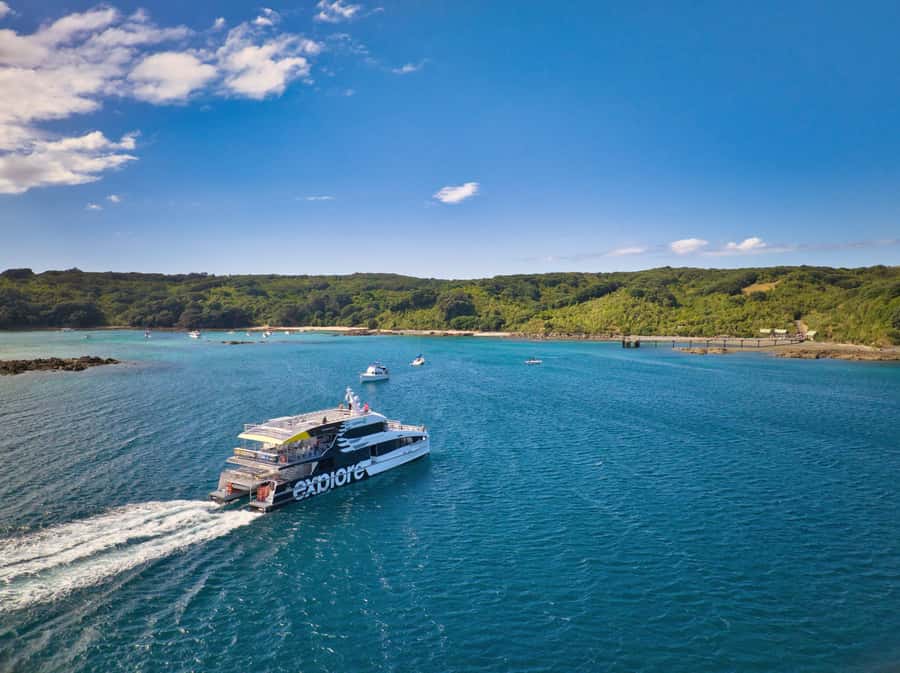
The trip is built around the ride, not just the destination. From the Auckland side, you leave early enough to enjoy the full day and take an 80-minute cruise through the Hauraki Gulf. The route is part of the appeal: Tikapa Moana waters, open views, and that gradual switch from city energy to island calm.
From Gulf Harbour, it’s a shorter approach. The crossing is about 25 minutes, which can feel like a smart shortcut if you’re trying to maximize time on the island. Either way, you’re not stuck inside a bus lineup all day. You’re floating, looking out, and settling into the pace that Tiritiri Matangi demands.
On board, I like that transport is treated as part of the experience. The ferry is described as comfortable, safely operated, and well set up for the day, including seating areas and toilets. Some departures include a bar area where you can buy drinks and snacks, which helps if you didn’t pack enough for the cruise itself.
Tiritiri Matangi’s Big Mission: Pest-Free Conservation You Can See
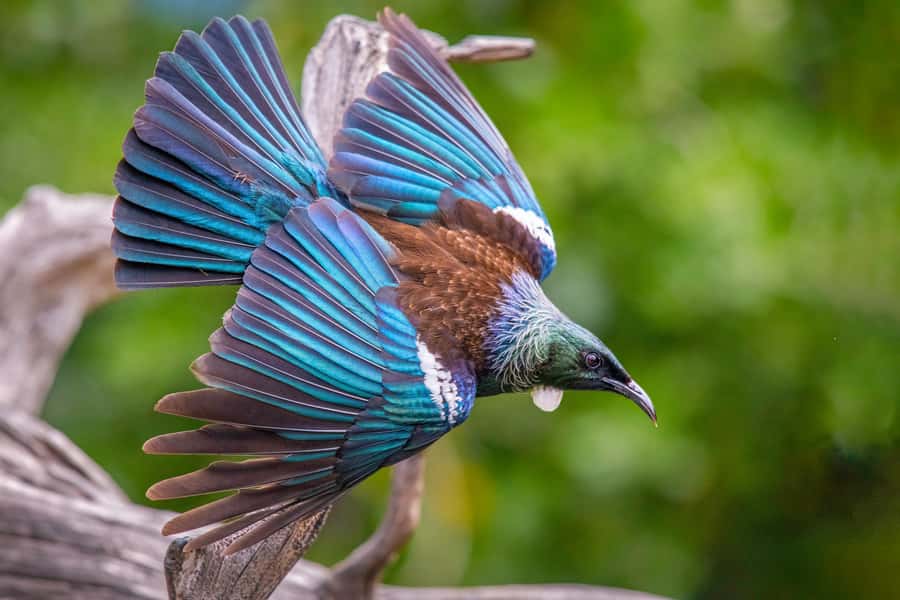
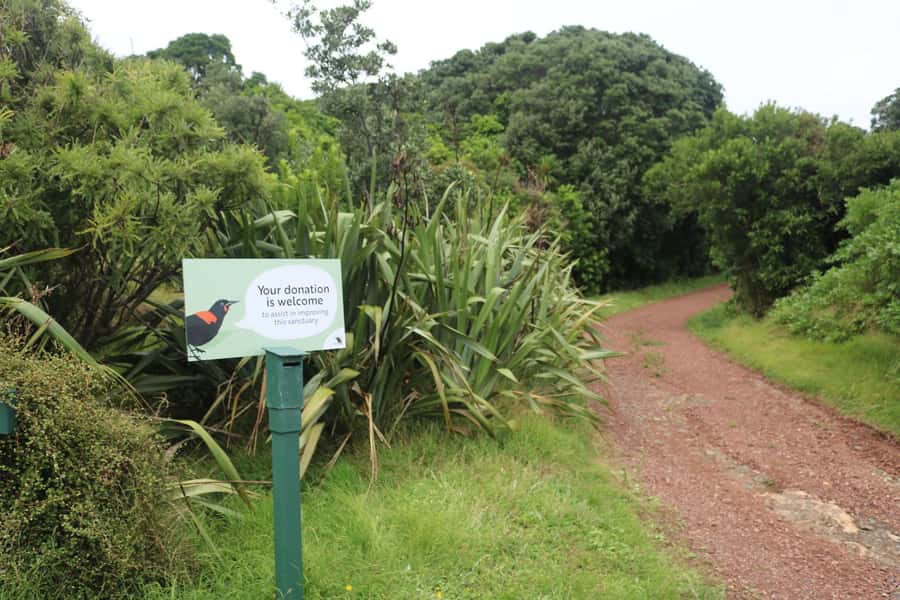
Once you arrive, the island’s purpose becomes obvious fast: Tiritiri Matangi is pest-free, which means it’s designed to let native species recover with fewer threats. That matters because many of the birds you’re hoping to see are uncommon around the Auckland region. On this island, you’re walking through a place where conservation work is actively shaping what lives there today.
The wildlife targets are clear. Expect your best chances around quieter track sections and areas where birds are known to show up. The bird list you might be hoping for includes kōkako, tīeke/saddleback, and takahē, plus other native species. Tuatara also comes up repeatedly as a highlight—more than once, people describe spotting them in the wild during the day.
A good guide makes a difference here. In different groups, I’ve seen names like Vishnu, Malcolm Pullan, Tina, and Anne highlighted for strong bird and plant knowledge. That’s not just trivia. It helps you understand what you’re looking at, what behaviors to watch for, and why the island tracks are laid out the way they are.
Walking the Tracks: Cliff Tops, Native Bush, and Where the Birds Hang Out
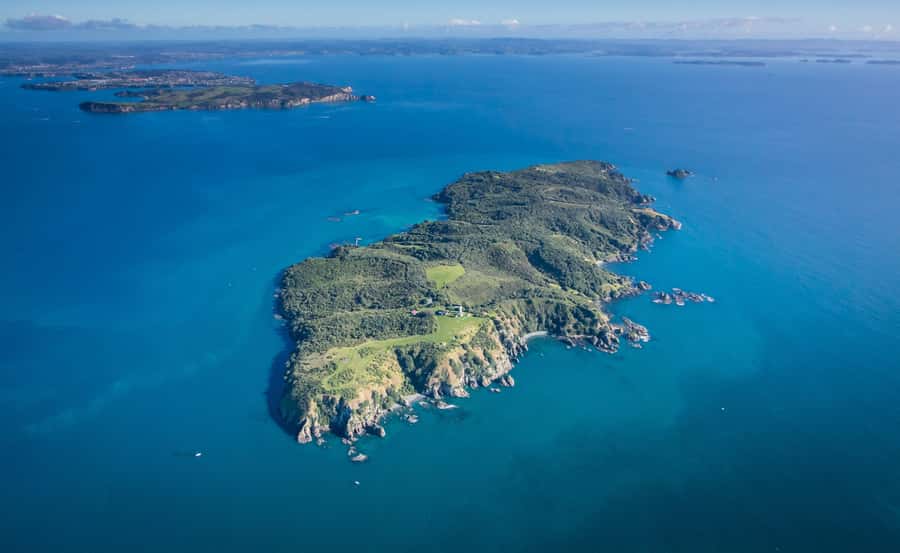
The best part of Tiritiri Matangi is that you can pace your own day. You get time for island sightseeing and walking tracks, with options ranging from easy strolls to longer routes depending on how you feel that day.
Expect a mix of:
- Native bush where bird song can feel like the main soundtrack
- Dramatic cliff-top scenery (bring your camera and stop often)
- Quiet beaches that feel like a pause button after bird-filled track sections
One practical tip from real experience: the island is easy enough to walk, but some track sections can confuse people if you miss where a trail begins. For example, Hobbs Beach and Hobbs Track were described as a bit tricky. My advice is simple: take a moment at track junctions, check the signage carefully, and don’t rush your first turns. If you’re prone to losing your bearings, stay on the main route until you feel confident.
Also note the pace. People mention varying levels of exertion—some found it tiring, especially if an ankle was a factor. Comfortable walking shoes are not optional here. Even if the tracks aren’t technically extreme, they’re still island tracks. Your feet will notice.
The Oldest Working Lighthouse: A Landmark With Real Meaning
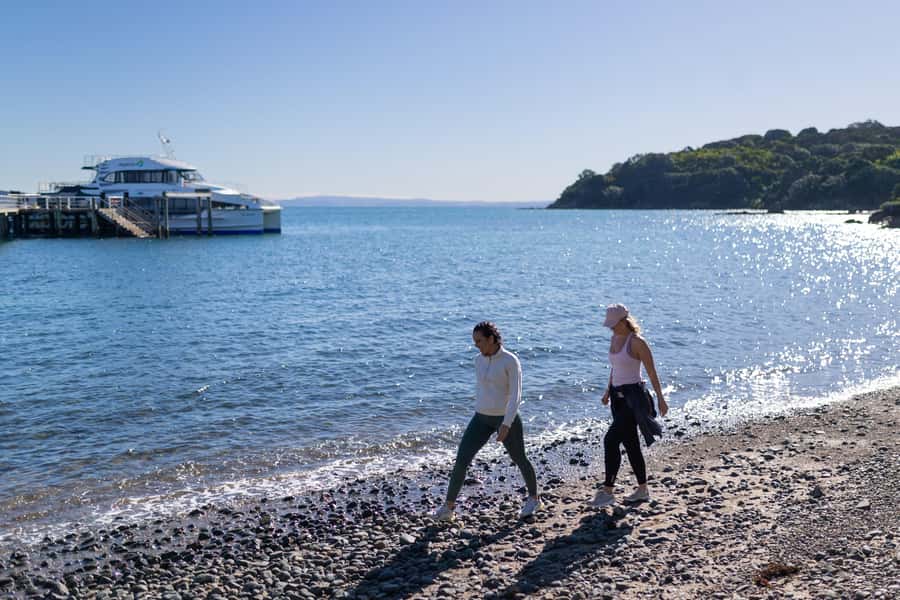
Tiritiri Matangi’s oldest working lighthouse in New Zealand is the kind of stop that makes the island feel layered, not just natural. The lighthouse gives you a physical marker in a place that otherwise is mostly moving between bush and open view.
Why it’s worth your attention: it’s a reminder that islands used to be connected to human navigation and survival, and now the focus has shifted toward ecological survival. You’ll see history, but in a living context—walk a bit, look around, then notice how the island’s restoration efforts are part of the same story of stewardship.
This is also a great place to slow down. If you’re hoping to photograph wildlife, it’s a good moment to get your bearings. You’re not just walking for the next turn. You’re pausing and letting the island settle in.
Beach Time for Swimming and Snorkeling (Bring a Towel)
This is the island part that surprised some people in a good way. Tiritiri Matangi has quiet sandy beaches, and you can swim or snorkel—but you need to bring what you’ll need. The essentials are in the packing list for a reason: swimwear and a towel.
What to pack so beach time actually works:
- Swimwear and a towel
- Sunscreen and a hat (it can get bright even when the wind is doing its thing)
- Camera (you’ll want it for birds, tracks, and coastline views)
One thing I’d plan around: weather. People have mentioned wind and even thunderstorms during the trip day. If conditions turn on you, you may still enjoy beaches from a distance—just don’t expect comfortable water conditions to last forever. Treat beach time as a flexible window, not a guarantee.
Ferry Timing and How to Choose Auckland vs Gulf Harbour
This experience runs on set sailings, and the timing affects how your day feels.
On Wednesday to Friday, the Auckland option departs at 9:00am, heads via Gulf Harbour, and arrives around 10:20am. The return leaves the island at 2:40pm, arrives back to Auckland about 4:00pm.
On Saturday, Sunday, and public holidays, departures are earlier from Auckland (8:30am) with arrival around 9:50am, and a later return. If you want more island walking time and the bird song morning energy, those earlier departures can be the better choice.
From Gulf Harbour, the crossing is shorter (about 25 minutes), which makes the day feel tighter and more efficient. If you’re staying closer to Gulf Harbour or you dislike long ferry sits, that’s a straightforward reason to pick the Gulf Harbour departure.
Whichever option you choose, get to the meeting point early. You should arrive about 30 minutes before departure. Check-in details vary by departure point, including a booking kiosk for the Auckland side and waiting at the ramp for the Gulf Harbour side. If you show up late, you risk missing the calm, on-time start that makes the whole day flow.
What It Costs (and Whether It Feels Worth $65)
At $65 per person, it’s not a cheap outing. But value comes from combining three things that would otherwise cost you separately: a comfortable ferry day, guided interpretation, and access to a conservation-focused island experience.
Here’s how I’d judge the price:
- You’re paying for the ferry transport plus structured access to a protected island environment.
- The island access isn’t just “walk around.” It’s walking tracks in a controlled pest-free ecosystem, where the chances of seeing rare wildlife are much more realistic than in normal city parks.
- If a guide’s explanations click for you, that adds real meaning. Names like Vishnu, Malcolm Pullan, Tina, and Anne getting highlighted says a lot. You’re not paying only for scenery; you’re paying for context.
One tradeoff is included meals are not part of the deal. The island has no outlets, so you’ll need to bring your own lunch and snacks in sealed containers and bag(s). If you forget, you’ll have to rely on what you can purchase on board for the ferry ride. That’s doable, but it’s easier when you’re prepared.
Practical Tips That Make the Day Easier
This is the kind of trip where small preparation pays off quickly.
Bring:
- Comfortable shoes
- Hat
- Swimwear and towel
- Camera
- Snacks, plus water
- Sunscreen
Not allowed:
- Smoking
- Drones
- Bikes
- Littering
- Feeding animals
- Touching plants
That last group matters. When you can’t touch plants or feed animals, it protects the whole restoration effort and keeps the animals behaving naturally. It also means you’ll rely on your eyes and your patience more than your hands.
One more practical note: if you’re chasing wildlife, think slow. Several people note bird song and birds appearing around walking sections and even around feeders and bird-bath style areas. When you move at a steady pace and pause often, you’re more likely to notice the small moments—head tilts, calls, sudden movement in the undergrowth—that make the day feel special.
Who This Trip Suits (and Who Might Prefer Something Else)
I think this trip is perfect if you love nature that’s close up, not far away. If you’re the type who enjoys bird calls, track walks, and quietly patient observation, you’ll be in your element.
It’s also a strong fit for:
- Families and groups who want a structured day with a clear start and finish
- People who want a meaningful Auckland-region nature day without committing to a multi-day trip
- Bird and reptile fans chasing a better shot at sightings like tuatara, plus native birds such as kōkako and tīeke
It might be less ideal if:
- You need wheelchair access. This activity is listed as not suitable for wheelchair users.
- You’re expecting minimal walking. The island is about tracks, and some routes can feel tiring if you have injuries or mobility limits.
- You’re not into unpredictable weather. Wind and storms have affected some days, so pack accordingly.
Final Call: Should You Book the Auckland Tiritiri Matangi Ferry?
If you want one day in the Auckland area that feels genuinely different from city sightseeing, I’d book it. The combination of pest-free sanctuary, strong guide interpretation (and well-known guide names like Vishnu, Malcolm Pullan, Tina, and Anne), and a real chance at rare wildlife makes the outing feel worth planning around.
I’d only hesitate if you hate walking or you’re not able to pack for variable conditions. If that’s you, look for an easier day format.
Otherwise, do it. Bring your shoes, your towel, and your patience—and let the island’s bird song set the rhythm.