REVIEW · CHONGQING
Chongqing: Trendy Spots, Cableway & Ferry Private Tour
Book on GetYourGuide →Operated by Chillax Tour · Bookable on GetYourGuide
Chongqing refuses to stay still. This private day strings together river thrills, a 1,000-year-old temple tucked amid skyscrapers, and photo stops that make the city’s vertical layout feel instantly understandable. I love the way the route mixes classic religious calm with modern engineering drama, though the day does involve plenty of steps and some high, exposed viewpoints.
What makes it work (and feel personal) is the guide. I’ve seen guides like Tian and Tim described as flexible and clear, and the tour itself can be adjusted for weather and your priorities. One thing to keep in mind: food and drinks aren’t included, so you’ll want to plan around lunch timing and decide if you want the optional hotpot or non-spicy lunch add-on.
In This Review
- Key Things I’d Mark as Must-Dos
- Chongqing’s Vertical City: Why This Tour Makes Sense
- Starting From Yuzhong District and Moving Efficiently
- Luohan Temple: Incense, 500 Stone Arhats, and a Temple Between Towers
- Raffles City Chongqing and the Modern City Story
- Lunch Break: Included Time, But Not Always Included Food
- River Cross Cableway: The Glass Cabin Thrill at About 300 Meters
- Longmenhao Old Street: Restored Steps, Shops, and Tea With a Twist
- Nanbin Zhonglou Square: A Ground-Level Trick With a 40-Meter Drop
- Changjiahui Danzishi Laojie St: Cliffside Steps, Laundry Like Flags
- Ferry at Sunset: Oranges, Purples, and the Skyline Turning On
- Daijia Lane and Kuixinglou: Short Stops With Strong Local Texture
- Liziba Viewing Platform: The Train Through the Building Photo Moment
- Price and Value: Is $158 Actually Fair?
- Who This Tour Fits Best (And Who Might Want to Rethink)
- Practical Tips So Your Day Feels Smooth
- Should You Book This Chongqing Private Tour?
- FAQ
- How long is the Chongqing private tour?
- Where does the tour pick you up?
- What’s included besides the guide?
- Is lunch included?
- What languages are available for the live guide?
- What if the weather changes during the day?
- Is the river cableway guaranteed to run?
Key Things I’d Mark as Must-Dos
- Glass-cabin cableway that crosses the river and puts you roughly 300 meters above the ground
- Luohan Temple with incense, monks chanting, and 500 carved stone arhats
- Futuristic skyline viewing at places like Liziba, where the train runs through a building
- A restored riverbank old-street area with converted shophouses and trendy cafés
- Sunset ferry ride with the skyline lighting up across two rivers
- Interactive exhibits that help you understand how Chongqing changed over time
Chongqing’s Vertical City: Why This Tour Makes Sense
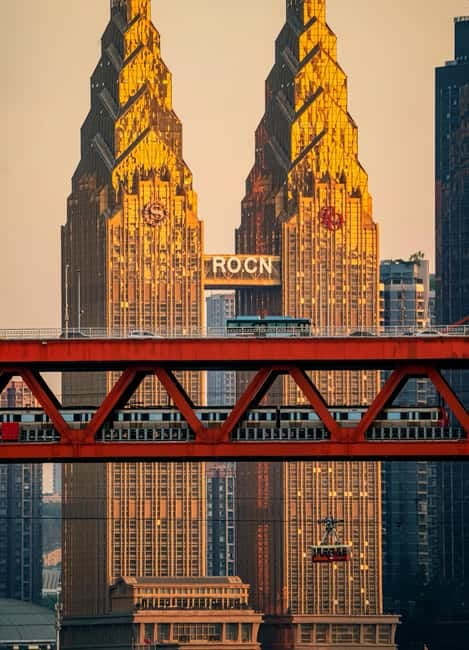
Chongqing is built on steep hillsides and right above fast-moving water. Streets stack on streets. Bridges connect levels you didn’t know existed. From a distance, it looks dramatic; up close, it’s a working city with moving cargo ships below and daily life clinging to cliff faces.
That’s why a guide-driven day matters. You get faster access to key viewpoints, plus someone to translate what you’re seeing: why the city grew upward, why the architecture and transport look the way they do, and how the old parts survive next to the new.
Starting From Yuzhong District and Moving Efficiently
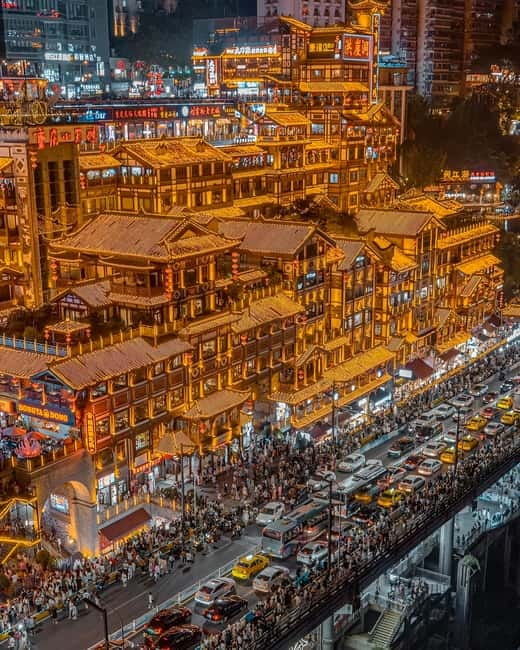
The day starts with pickup in Yuzhong District, then you’ll use subway/metro for around 20 minutes early on. Later, you’ll repeat metro transport again before reaching the Liziba area. Some legs are walkable, but this isn’t a slow stroll day—it’s timed to keep you from backtracking.
The tour also uses Didi or a chartered car as needed for transport (included). That’s a practical detail: you spend less time negotiating routes and more time standing in the exact places where the city’s “vertical” feel becomes obvious.
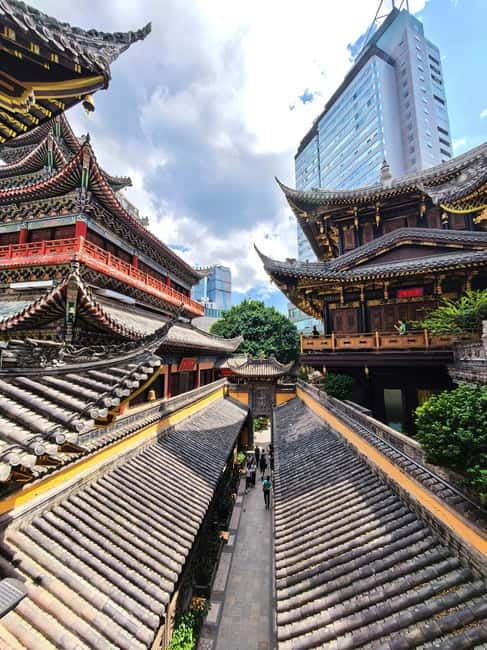
Luohan Temple: Incense, 500 Stone Arhats, and a Temple Between Towers
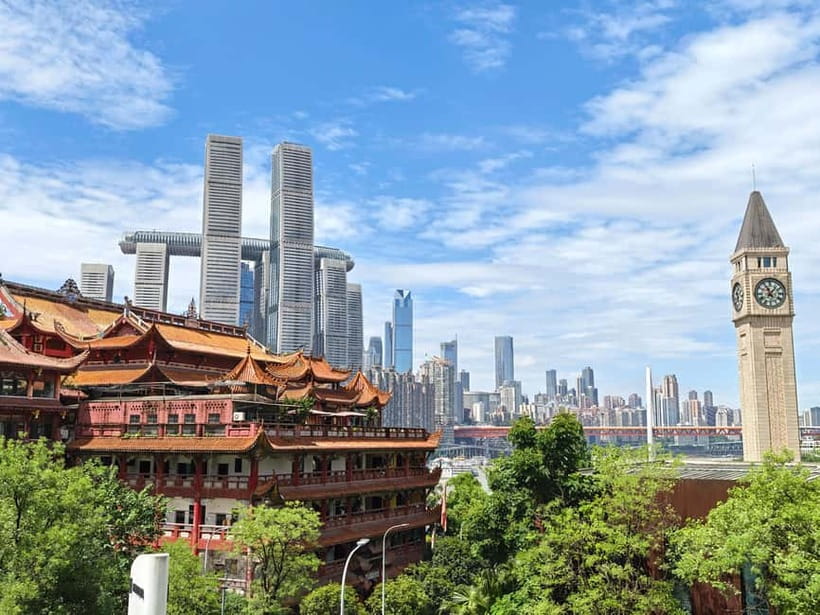
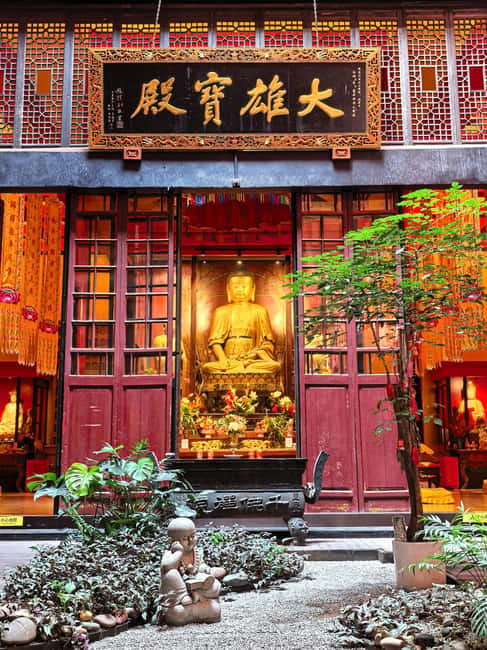
Luohan Temple is the kind of stop that makes Chongqing feel like two cities at once. You’re exploring a sanctuary about 1,000 years old, yet it sits surrounded by modern development.
Here’s what to expect:
- A guided visit with a photo stop
- Incense in the air and monks chanting ancient sutras
- Time to take in 500 intricately carved stone arhats, each with distinct expressions and poses
The ticket is included, and the experience is designed to let you slow down for details. My advice: wear comfortable shoes and take a breath here. In a city built for motion, this is where you get a moment of stillness before the day flips back into high-energy viewing points.
Raffles City Chongqing and the Modern City Story
After Luohan Temple, the tour hits a major modern complex—Raffles City Chongqing—for a photo stop and guided sightseeing. It’s the kind of skyline anchor that helps you understand Chongqing’s current identity: big, planned, and very much focused on the future.
Then you’ll shift into cutting-edge interactive exhibits that explain how the city has developed and changed. The exact exhibit hall isn’t specified, but the value is clear: it turns what you see outside—buildings, riverside engineering, stacked neighborhoods—into a bigger story you can actually follow.
Lunch Break: Included Time, But Not Always Included Food
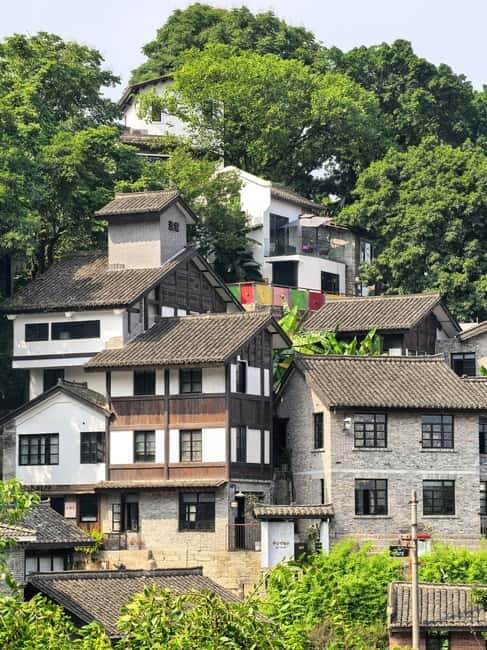
You get about one hour for lunch at a local restaurant. Here’s the key practical point: food and drinks aren’t included in the base price, but add-ons are available (including options aimed at being non-spicy friendly).
If you’ve got spice preferences, this is the moment to communicate them. If you don’t, plan your energy like this: you’ll walk and photograph after lunch, so don’t wait too long to sit down.
River Cross Cableway: The Glass Cabin Thrill at About 300 Meters
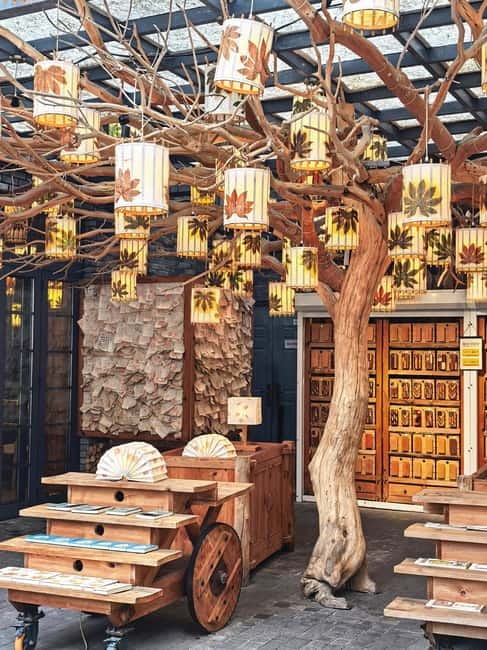
This is the signature heart-racing moment. You’ll take a river-crossing cableway in a glass cabin suspended by steel cables, with a ride that runs roughly 300 meters above ground. The feeling is less like a scenic lift and more like being suspended over real working water.
What you’ll notice fast:
- The churning river far below
- Massive cargo ships gliding underneath
- Steep riverbanks showing how the city clings to the terrain
- A constantly changing perspective as you move across
One important consideration: the cableway can be cancelled due to real-time huge crowds and long waiting time during peak season. The tour notes this is only for a better overall experience. If this is your one big must-do, arrive rested and understand that timing matters in Chongqing—especially when visitors surge.
Longmenhao Old Street: Restored Steps, Shops, and Tea With a Twist
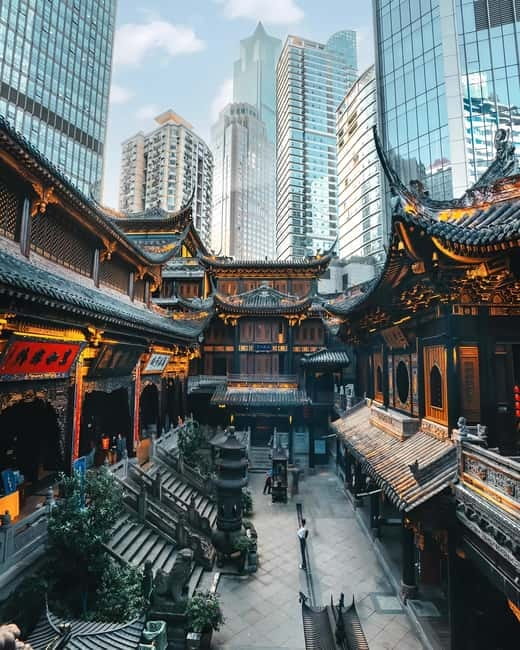
After the cableway, you descend steep stone steps into a recently restored historical district along the riverbank. This is where Chongqing’s old fabric gets reused instead of frozen in time.
Expect:
- Converted shophouses now hosting trendy cafés
- A chance to try traditional tea with modern twists
- A longer walk segment (about 1.5 hours) that’s good for photos and people-watching
Why I like this stop: it’s not just “look at old buildings.” You’re seeing how daily life continues—just in a newer style.
Nanbin Zhonglou Square: A Ground-Level Trick With a 40-Meter Drop
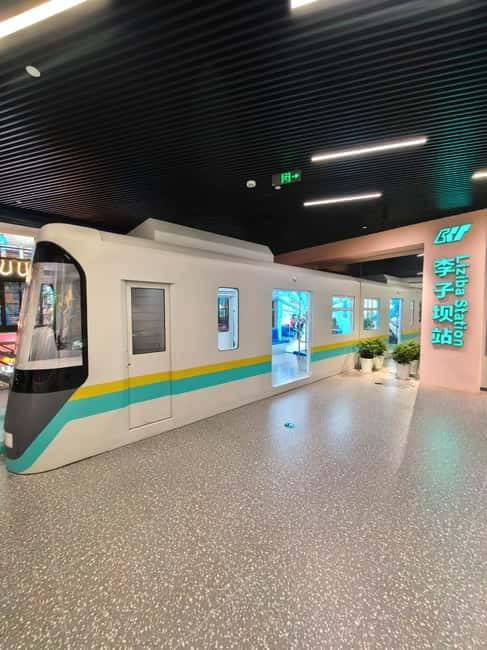
Then comes the wow-factor viewpoint: Nanbin Zhonglou Square. The tour focuses on one of the ways Chongqing makes you feel the city differently.
Here’s the setup:
- You enter from street level, cross what looks like an ordinary plaza
- You end up staring down to the space below
- Two suspension bridges span a 40-meter drop
- You can look through the glass floor and watch traffic crawling below
It’s short but intense. If you’re even a little uneasy around heights, hold the handrails and take your time. If you love photos, this is one of those stops where patience pays off—move slowly, reposition your feet, and let traffic patterns build.
Changjiahui Danzishi Laojie St: Cliffside Steps, Laundry Like Flags
Next you’ll head to Changjiahui Danzishi Laojie St, where the day leans into Chongqing’s signature “built into the mountain” feeling.
What you’ll experience:
- A narrow wooden pathway built into a vertical cliff face
- Iron handrails as you navigate steps carved directly into the mountainside
- Views through gaps between buildings
- Laundry fluttering above dizzying drops—one of those everyday details that makes photos feel alive
This section is about about 30 minutes, but it can feel longer because it’s so visually dense. The practical tip: go slow on the stairs. Your best photos come from calm footing, not rushing.
Ferry at Sunset: Oranges, Purples, and the Skyline Turning On
After cliffside views, you’ll switch gears to something gentler: a sunset ferry ride. It’s scheduled for about 20 minutes, and the tour emphasizes the color shift as the sun drops.
Expect:
- A sky that turns oranges and purples
- Gentle waves rocking the boat
- The skyline beginning to twinkle with thousands of lights
This is included as a one-way ticket. I think this stop balances the day well—after heights and glass floors, you need a calmer perspective. It also helps you photograph the skyline from a different angle than the cableway and platforms.
Daijia Lane and Kuixinglou: Short Stops With Strong Local Texture
You’ll spend time on two additional photo-and-walk style stops: Daijia Lane and Kuixinglou. Each is relatively short (about 30 minutes for Daijia Lane and 15 minutes for Kuixinglou), but that’s actually the point. These are the texture stops—small lanes, local rhythm, and everyday scenes you’d miss if you only chased the biggest landmarks.
If you’re the type who likes architecture and street-level life, this pair of stops gives your camera a break from the tallest viewpoints and your eyes a chance to focus on human scale.
Liziba Viewing Platform: The Train Through the Building Photo Moment
Later you’ll take another subway/metro segment (about 20 minutes) and arrive at Liziba Viewing Platform. This is one of Chongqing’s most famous “how is that even possible” scenes.
What the tour highlights:
- A photo stop and guided sightseeing
- A train that drives right into a building, passing straight through floors 6, 7, and 8
- Then you step onto a riverside observation deck to photograph the next train emerging from the concrete
This stop is only about 20 minutes, but it’s timed to give you the key shot. My practical advice: bring a charged smartphone and keep your settings ready before you get to the platform. When the train comes, it doesn’t wait for your battery.
Price and Value: Is $158 Actually Fair?
At $158 per person for about 9 hours, this tour is strongest when you value convenience plus included tickets.
Here’s what you get included:
- Private guided tour (with English, español, italiano, français, and Traditional Chinese)
- Hotel pickup in Yuzhong District
- Public transportation and/or Didi/charter car
- Entrance ticket for a 1,000-year-old temple
- One-way river-crossing cableway ticket (with the note about possible cancellation due to crowds)
- One-way sunset ferry ticket
- Skip-the-line support
- Flexible scheduling based on real-time weather and your interests
Food isn’t included, so your total day cost will rise if you add lunch options. Still, compared with paying for separate tickets, arranging transport, and trying to line up all the viewpoints alone, this price can make sense—especially if you want the cableway and ferry done without hassle.
Who This Tour Fits Best (And Who Might Want to Rethink)
This tour is a good match if you:
- Want a first-visit “greatest hits” overview of modern Chongqing + historic pockets
- Enjoy photography, especially at glass-floor and train-through-building viewpoints
- Like a day plan with a guide who can adjust pacing to your group
You might rethink it if:
- You’re uncomfortable with heights or steep steps (the day includes stairs and cliffside pathways)
- You prefer a very slow, low-walking itinerary
- You don’t want to manage extra spending for lunch and drinks
Practical Tips So Your Day Feels Smooth
Do these and you’ll enjoy the tour more:
- Bring comfortable shoes (you’ll be on steps and uneven surfaces)
- Bring water and sunscreen for outdoor sections
- Keep your smartphone charged for the Liziba train shot and cableway views
- If you’re visiting on a Monday, note that the scenic footbridge in Eling Park is closed for scheduled maintenance (worth knowing if you were hoping for that specific photo spot)
Also, the tour notes light-customization options are offered. That’s not a vague gimmick if you care about photos—you can often use better lighting choices to reduce glare and make viewpoints look less harsh.
Should You Book This Chongqing Private Tour?
I’d book it if you want a guided day that teaches you what you’re looking at in Chongqing’s vertical world, without wasting time guessing routes. The combination of Luohan Temple, a river-crossing cableway, old-street restoration, and sunset ferry gives you variety in mood and scenery. And the Liziba train-through-building stop is the kind of thing you remember for years.
I’d skip it (or adjust expectations) if your priority is a relaxed walk with minimal stairs, or if you’re traveling mainly for food and shopping. In that case, you may prefer a shorter route focused on fewer viewpoints.
If you’re on your first trip and want the city’s wow moments done efficiently, this one is a strong use of a day.
FAQ
How long is the Chongqing private tour?
The tour duration is 9 hours.
Where does the tour pick you up?
Pickup is available from hotels in Yuzhong District.
What’s included besides the guide?
You get a private guided tour, public transportation support (with Didi or a chartered car), entrance ticket for a millennium-old temple, one-way river-crossing cableway ticket, one-way sunset ferry ticket, and skip-the-ticket-line help.
Is lunch included?
Lunch and drinks are not included in the base price. You can book a simple local lunch or a hotpot option through add-ons.
What languages are available for the live guide?
The live tour guide is available in English, Italian, French, Spanish, and Traditional Chinese.
What if the weather changes during the day?
The schedule is described as flexible based on real-time weather conditions, plus your preferences and places you want to visit.
Is the river cableway guaranteed to run?
The one-way cableway ticket is included, but it would only be cancelled due to real-time huge crowds and long waiting time during peak season for a better experience.