REVIEW · CAPE TOWN
Cape Town-Robben Island Ferry Ticket and Guided Prison Tour
Book on GetYourGuide →Operated by Kono Tours · Bookable on GetYourGuide
A prison tour with a conscience. This Cape Town–Robben Island experience pairs Table Bay ferry views with a guided visit to Nelson Mandela’s cell, plus a moving account from a former political prisoner. It’s one of those trips where the facts land fast, and the human stories stay with you.
I especially liked two things: the scenic ride out from the Nelson Mandela Gateway, and the way the tour comes alive through first-person testimony. On the way in, you get a short orientation and island context before you step onto wind-scoured ground.
One possible drawback: if your group is on the larger side, you may find it harder to hear every detail in the prison walk, especially in narrow spaces. Sit where you can.
In This Review
- Key takeaways before you go
- From Cape Town to Robben Island: the ferry ride does real work
- Getting picked up and finding your way to the Nelson Mandela Gateway
- The island bus tour: history in layers, not a single storyline
- Inside the prison: Mandela’s cell and the maximum-security walk
- A quick note on hearing and group size
- The quarry and prison labor: where the work becomes unforgettable
- How long the day really feels: 4 hours, but plan for wind
- Price and value: is $87 per person worth it?
- Who this tour fits best—and who should consider alternatives
- What to bring so the day stays comfortable
- So, should you book this Robben Island guided tour?
- FAQ
- Is hotel pickup included?
- What’s the duration of the tour?
- How long is the ferry ride?
- Who guides the prison part?
- What do I need to bring?
- Is food and drinks included?
- What happens if the ferry is canceled due to weather?
- Is the tour wheelchair accessible?
- What should I expect on arrival at Robben Island?
Key takeaways before you go
- Pickup stays inside Cape Town CBD, so double-check your hotel’s exact location if you’re outside the center.
- Ferry timing depends on weather, and you may need to reschedule or make your own way to the waterfront if plans shift.
- A former prisoner guides the prison part, and the stories are the emotional core of the day.
- The island tour bus sets context first, moving through layers of use, including the leper colony era.
- You’ll see the maximum-security cells and Mandela’s cell, then walk the prison route with real historical grounding.
- Comfort matters: bring a windbreaker and shoes you can trust on uneven paths.
From Cape Town to Robben Island: the ferry ride does real work
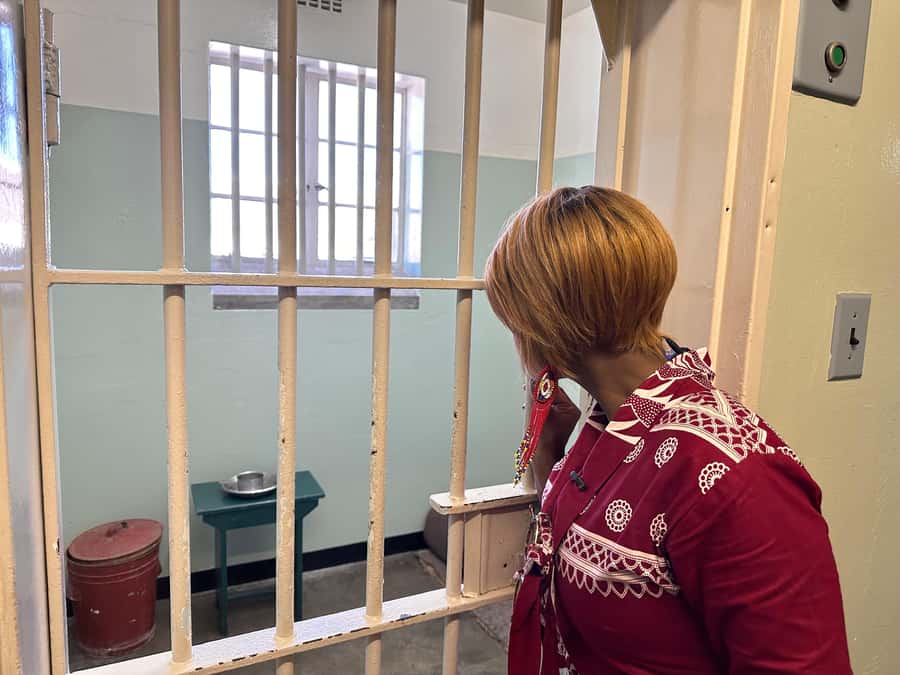
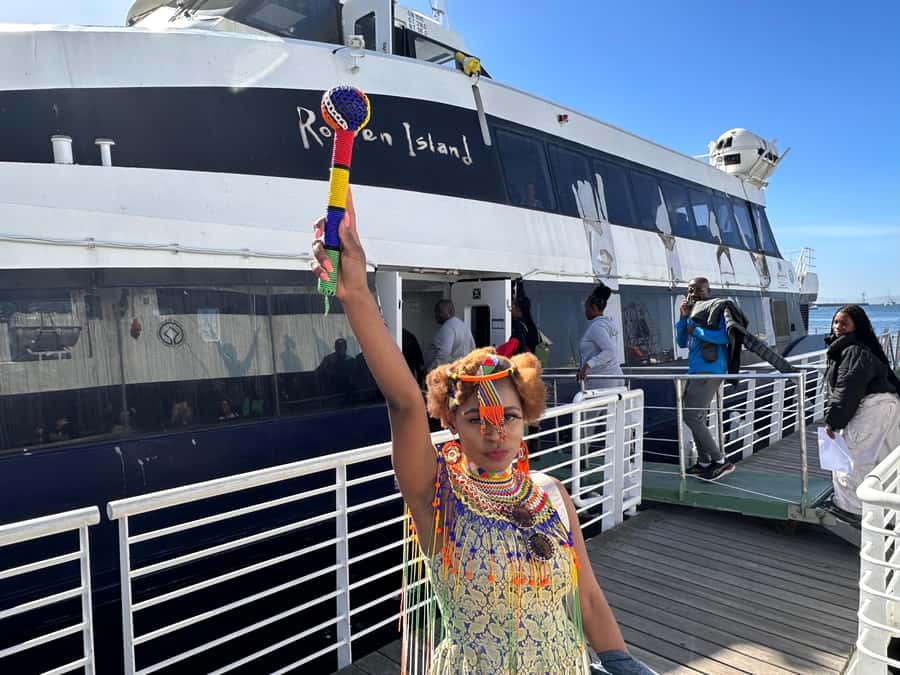
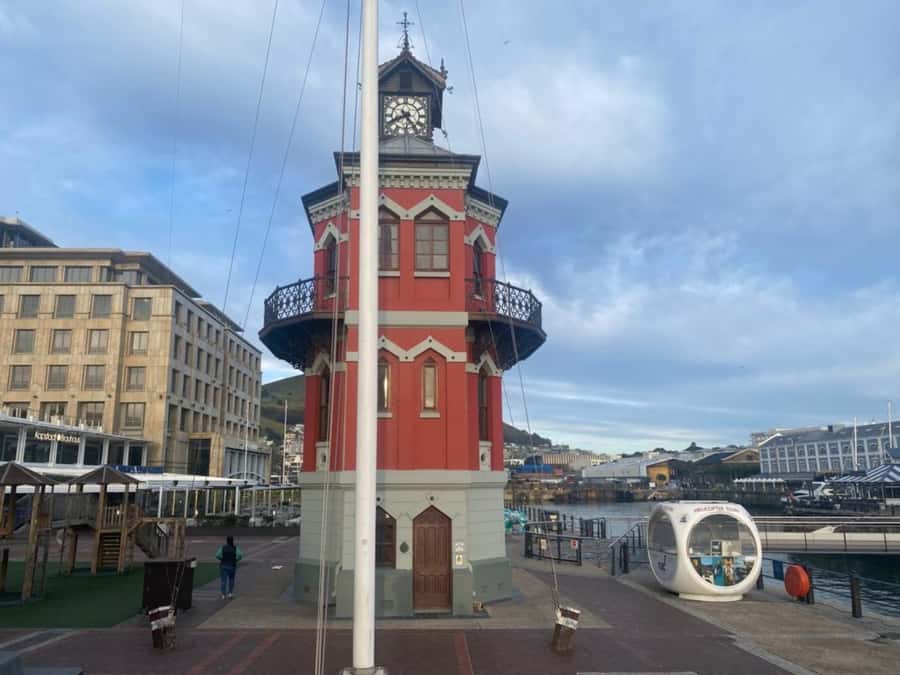
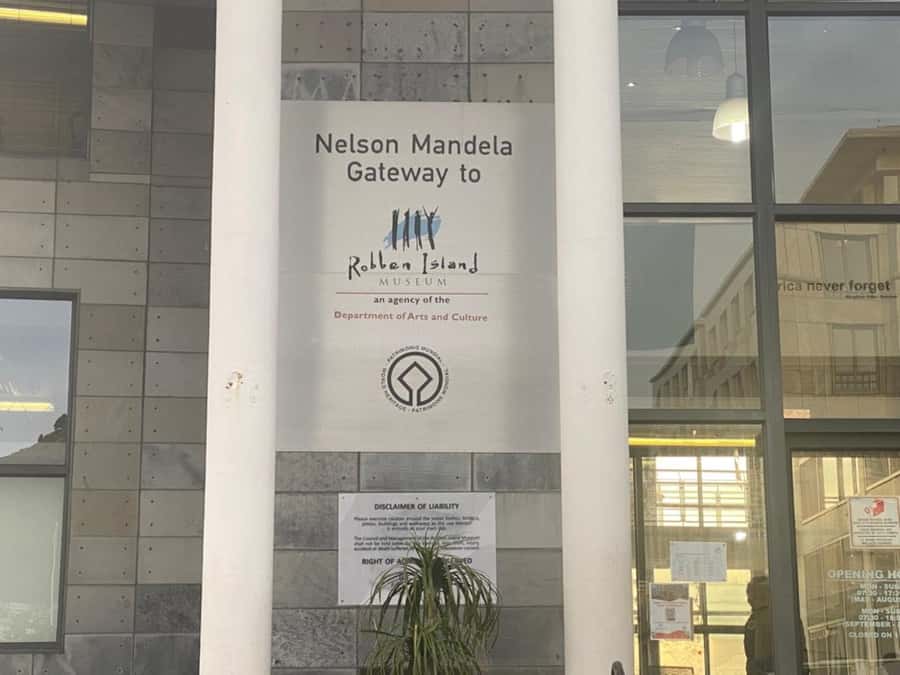
The day starts with a shared transfer from your hotel pickup point in Cape Town City Centre, then you head to the V&A Waterfront area for the ferry departure at the Nelson Mandela Gateway Clocktower. Even before you reach Robben Island, you get something valuable: perspective. You’re crossing Table Bay with Cape Town spread out behind you, and the scale of the coastline helps make the island feel oddly small for such a heavy purpose.
The ferry portion is short—think roughly half an hour, sometimes reported closer to forty-five minutes depending on how the day runs. Either way, it’s enough time to take photos, look for coastline landmarks, and get that immediate sense of distance between the everyday city and this isolated place.
This is also where a key reality shows up: the route can be weather-dependent. Robben Island ferry operations can be canceled, so be prepared for your day to be shaped by wind and sea conditions.
Getting picked up and finding your way to the Nelson Mandela Gateway
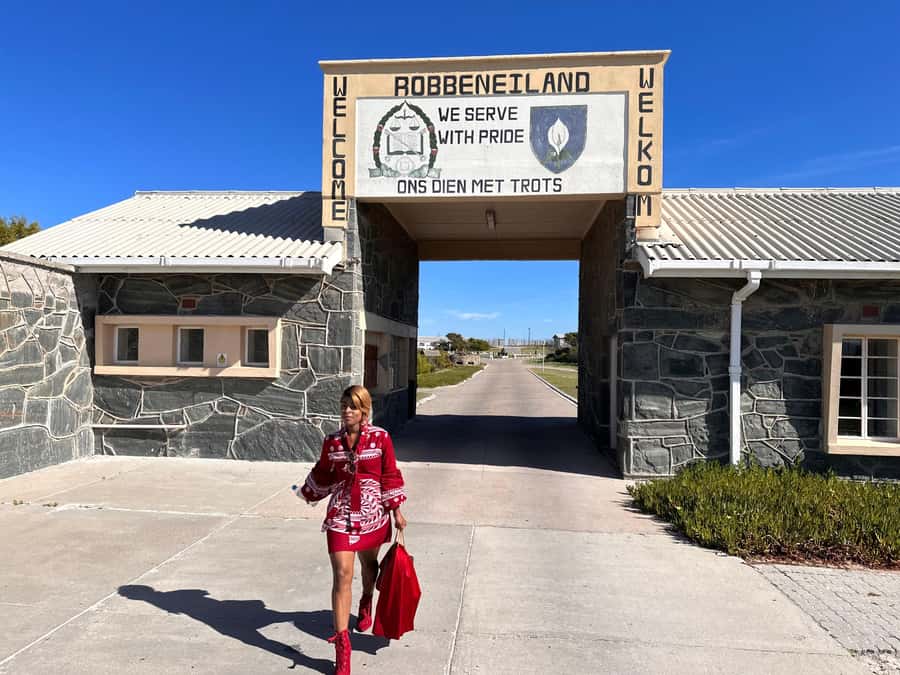
This tour is built around a simple flow: hotel pickup (within CBD), a short coach ride to the waterfront, then the ferry. In practice, what matters is how close your hotel is to the center. Hotel pickup is included within Cape Town CBD only, and if you’re too far out, you might end up needing to reach the waterfront on your own.
I’d treat this like a timing-critical day. Arrive at reception (or the main gate) when the pickup window starts, not when you feel like it. The tour provider may also call you shortly before the departure, so make sure your phone number is correct at booking.
Also, there’s one “don’t get caught by surprise” item: you’ll be asked to provide full names for everyone on the booking. That matters because the ferry and entry process is document-driven. Bring your passport or ID.
The island bus tour: history in layers, not a single storyline

Once you land, you don’t jump straight into the prison. You start with a guided island bus tour, which is smart. It gives you a framework so you’re not just wandering around individual buildings and wondering how they connect.
The island’s story is multi-layered: you’ll hear how the island was used before it became synonymous with Apartheid-era incarceration, including the leper colony period. That context helps you understand why Robben Island is physically the way it is—isolated, controlled, and used for exile—and why the prison era didn’t appear from nowhere.
You’ll also get a basic orientation for what comes next: bus first, then walking and the prison route. This structure helps because the prison experience is intense. When you know what you’re looking at, the guide’s explanations land more clearly.
Inside the prison: Mandela’s cell and the maximum-security walk
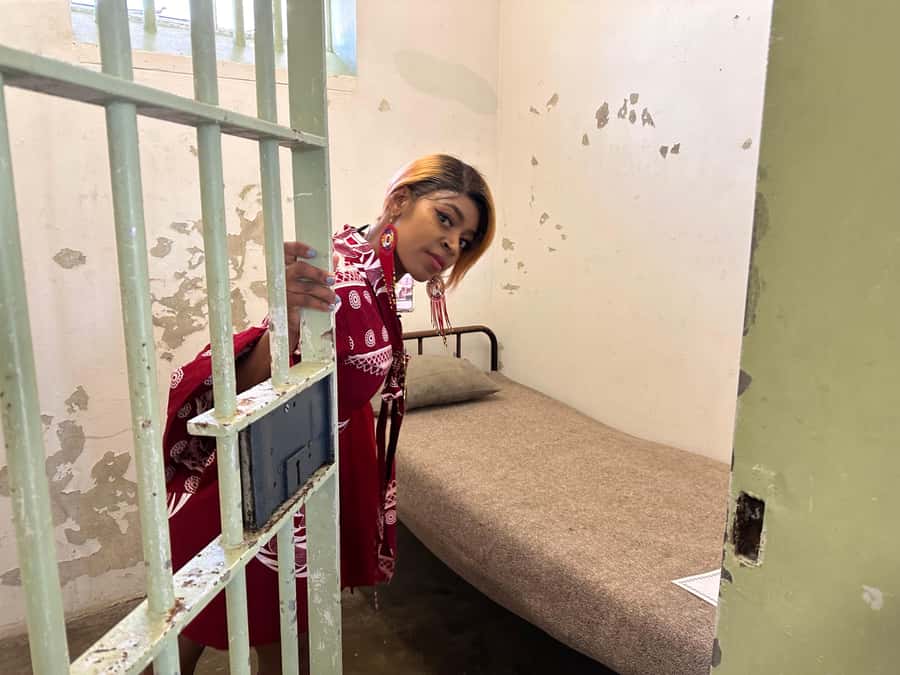
The heart of the tour is the maximum-security prison visit, including the cell where Nelson Mandela was imprisoned for 18 of his 27 years in captivity. Even if you’ve read about Mandela before, standing in that space is different. The design of the cells, the constraints, and the strict routines stop being abstract.
This is where the former political prisoner guide makes the biggest difference. You’re not just hearing a polished script. You’re hearing personal memory translated into history: how life worked behind bars, what prisoners faced day to day, and how people organized and resisted under a brutal system.
The guide’s job is not only to explain facts, but also to separate myth from reality and show how imprisonment fit into the wider Apartheid machinery. That’s the kind of detail that makes you pay attention in the narrow corridors, not just snap a photo and move on.
A quick note on hearing and group size
If you find your group is quite large, your ability to hear can be uneven. Prison spaces can be echoey, and walking pace can vary. When possible, position yourself where you can see the guide’s face and listen clearly. It’s a small move that makes a big difference.
The quarry and prison labor: where the work becomes unforgettable
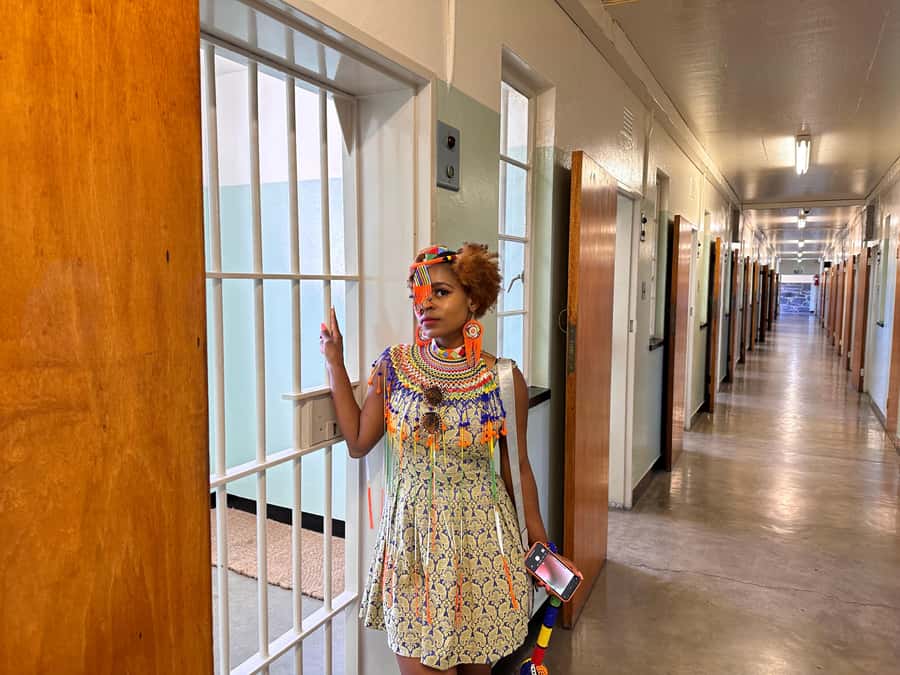
After you tour the prison areas, you’ll hear about the limestone quarry where Mandela and other inmates toiled. The quarry is one of those places where the landscape—and the labor it demanded—clarifies the daily reality of incarceration.
You may also learn how routine and physical work were used as part of punishment and control. Again, the value isn’t just the location. It’s the explanation tied to what prisoners experienced. This is one of the reasons I’d rather do this with a guide than on your own: you get the “why” behind the “what.”
How long the day really feels: 4 hours, but plan for wind

On paper, the tour is about four hours total. In practice, it can feel longer emotionally, especially during the prison walk and when the guide starts connecting the dots between Apartheid policy and daily life in confinement.
The island portion includes bus time, photo stops, and a walking route. You’ll have some chances to look around, but this isn’t an open-ended wander. It’s structured, and time is spent carefully—especially in the sections where the guide wants everyone together.
That time structure matters for a very practical reason: you might hear about wildlife viewing like penguins, but the pacing can be tight. If you want to spot anything like that, keep expectations realistic and don’t count on long, slow delays.
Wind is another real factor. Robben Island can be breezy even when Cape Town is comfortable. A windbreaker and closed-toe, grippy shoes aren’t optional. You’ll feel it on the ferry and again during walking sections.
Price and value: is $87 per person worth it?
At about $87 per person, you’re paying for a bundle: hotel pickup in CBD, ferry access, and guided coverage by a former prisoner. The value isn’t only the transport. It’s the prison narrative delivered through lived experience.
Still, I think it’s smart to compare options before you pay. One booking detail I ran into showed how third-party bundled pricing can sometimes be higher than buying directly for the ferry/entry. I’m not saying that’s always the case, but it’s a good habit: check the official Robben Island ticket purchase route and compare it to the bundle you’re considering.
Here’s how I’d judge value for you:
- If you want the prison story guided by a former political prisoner, bundled pricing often feels fair.
- If you’re mainly focused on transportation and you already know the content, you might prefer a direct ticket approach.
- If pickup is a must, bundle value can swing back in your favor.
If you do go with the bundled tour, keep an eye on day-of communications. In one case, a participant received their ticket information via WhatsApp after a system hiccup and then made it to the ferry. That story is a reminder: have your phone ready and respond quickly if the provider contacts you.
Who this tour fits best—and who should consider alternatives
This is a strong fit if you:
- care about understanding Apartheid from the inside, not just from a textbook
- want to hear the Mandela-era prison story directly from someone who lived it
- like guided structure so you don’t miss the meaning of what you’re seeing
It may be less ideal if you:
- struggle with loud groups or crowded listening environments
- are looking for a slow-paced nature visit
- need long stretches of free time at each stop
If you’re a history-minded traveler who also likes clear logistics, this tour hits the right balance. If you’re traveling with anyone who gets stressed by tight schedules or crowds, plan for that before you commit.
What to bring so the day stays comfortable
Since the island involves ferry time and walking in wind, pack like you’re going outside—not like you’re going to a museum. Bring:
- passport or ID card
- comfortable shoes (good grip)
- windbreaker
Food and drinks aren’t included, so plan to manage hunger and thirst yourself. Even if the day feels short, you’ll be moving, waiting, and walking on a schedule that doesn’t revolve around meal breaks.
So, should you book this Robben Island guided tour?
I think you should book it if the centerpiece for your Cape Town trip is the prison story and you want it told by a guide with lived experience. The ferry adds a memorable physical sense of distance, and the structure—bus context first, then Mandela’s cell and the quarry—helps you understand what you’re seeing.
I’d book with extra care if you’re staying outside Cape Town CBD, because pickup is limited to the center. And if weather is rough during your dates, have Plan B flexibility in mind, since ferry service can be canceled.
FAQ
Is hotel pickup included?
Yes, pickup is included within Cape Town City Centre (CBD). You’ll be asked to wait in reception or outside your home at the main gate.
What’s the duration of the tour?
The tour runs about 4 hours total.
How long is the ferry ride?
The ferry portion is listed as roughly 30 minutes on the itinerary, and the overall overview also describes a scenic crossing that can be around 45 minutes depending on conditions.
Who guides the prison part?
The prison tour is guided by a former prisoner, with the tour delivered in English.
What do I need to bring?
Bring your passport or ID card, comfortable shoes, and a windbreaker.
Is food and drinks included?
No. Food and drinks aren’t included.
What happens if the ferry is canceled due to weather?
If the ferry is canceled, you can reschedule at the Robben Island ticket counter subject to availability, or apply for a refund to the booking platform. For rescheduled tickets, you’ll need to get yourself to the waterfront.
Is the tour wheelchair accessible?
Yes, it’s listed as wheelchair accessible.
What should I expect on arrival at Robben Island?
You’ll take an island bus tour for historical context, then visit the maximum-security prison areas, including Mandela’s cell, with a former prisoner guide telling firsthand accounts.