REVIEW · FUERTEVENTURA
Corralejo: Return Ferry Ticket to Lobos Island Fuerteventura
Book on GetYourGuide →Operated by NORTOUR · Bookable on GetYourGuide
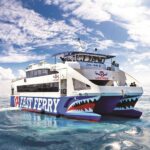
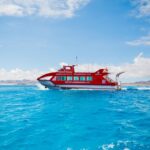
This is one of the quickest ways to feel worlds away. A traditional family-run Majorero ferry makes the short hop from Corralejo to Isla de Lobos, with time to swim, walk, and soak up a quiet natural park. I like that the crossing is simple and well-run, and you’re not stuck on a rigid schedule once you land.
Two things I especially like: the relaxing 20-minute ride with great sea views, and Lobos itself, where you can choose your pace on volcanic trails and beaches. There’s also a helpful setup around the island permit/authorization, which removes a lot of guesswork for a day trip.
One possible drawback: Lobos is dry, rugged, and there are no shops or drinking water, so you need to pack your basics and plan for a full-day feel even if your ferry ride is short.
In This Review
- Key points worth knowing before you go
- Corralejo to Lobos: the Majorero ferry experience in plain terms
- Price and value: why this $20 ferry can be a smart choice
- Getting there: finding Naviera Nortour at the Port of Corralejo
- Crossing times: choosing the return slot that fits your style
- Arriving on Lobos: Josefina Plá, the visitor centre, and your first orientation
- El Puertito and La Concha (La Caleta): where the swimming feels easiest
- Montaña de La Caldera: your main hike for panoramic views
- Faro de Lobos: the quieter lighthouse loop for a calmer pace
- What to pack for Lobos: the shop-free reality check
- Weather, sea conditions, and how to stay comfortable on both crossings
- Who this trip suits best (and who should rethink it)
- Should you book the Corralejo to Lobos return ferry?
- FAQ
- Where do I meet the ferry in Corralejo?
- How long is the boat ride to Lobos Island?
- What return times are available on the day I go?
- Do I need to bring water and food?
- Are there shops or drinking water on Lobos Island?
- Is the trip accessible for wheelchairs?
Key points worth knowing before you go
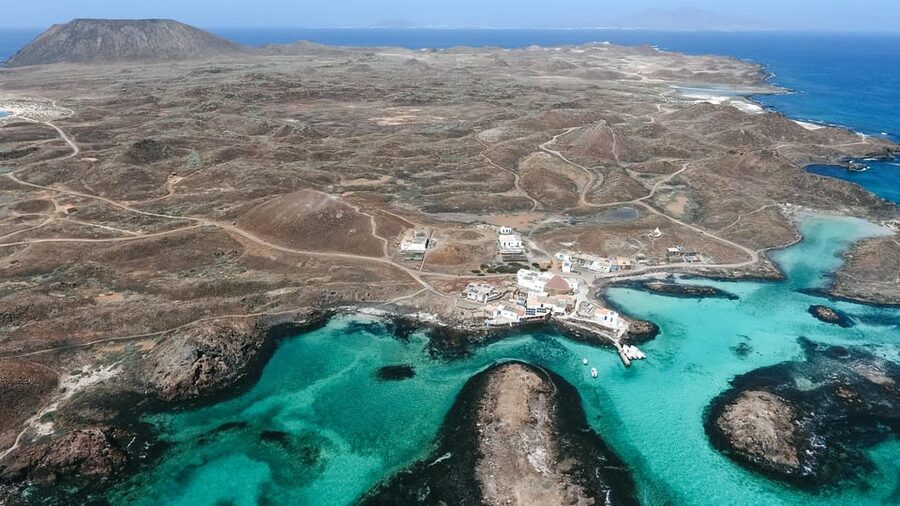
- Majorero experience: A traditional, family-run ferry service with 35+ years in this route.
- Short, scenic crossing: About 20 minutes each way, with sea views that make the ride part of the day.
- Swim-friendly beaches: El Puertito and La Concha (La Caleta) are the main go-to spots near the harbor.
- Two real walk options: Montaña de La Caldera for big views, or a lighthouse loop for a calmer pace.
- Plan for zero services: Bring water, food, sunscreen, and proper shoes because the island is not set up like a resort.
- Time choices matter in summer: Late departures (July–September) can cut your time on the island to about 1–2 hours.
Corralejo to Lobos: the Majorero ferry experience in plain terms
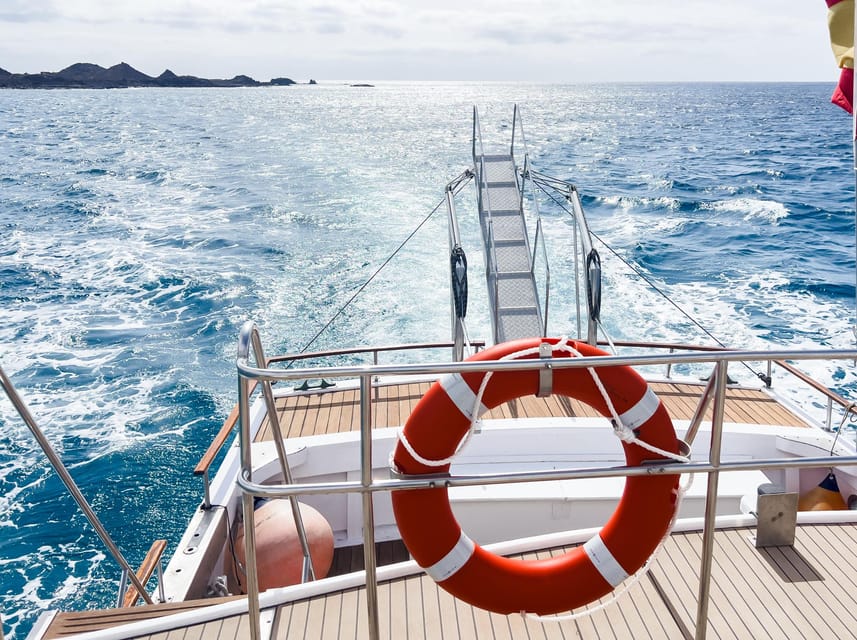
The best part of this trip is how easy it feels to switch environments. In Corralejo you’re in a busy island town vibe; 20 minutes later you’re on Isla de Lobos, a protected natural park with volcanic ground, quiet coves, and very few distractions.
This is where I appreciate the Majorero approach. It’s described as a traditional, family-run ferry, and that shows in the flow of the day. The staff help people board and get off clearly, and the whole process is built for a smooth turn-around at both ports.
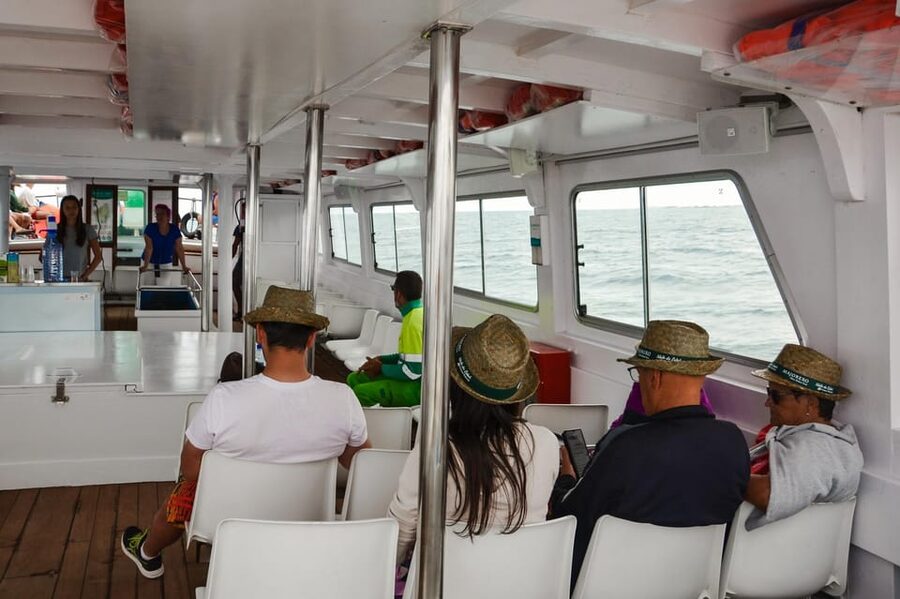
You’ll also like the pace of the journey. The boat crossing is short enough that you don’t lose time, but long enough to enjoy the water around Fuerteventura. If you’re the type who enjoys sea views during transfers, you’ll get value from that 20-minute window both directions.
And yes, the price is attractive for what you get: round-trip ferry tickets plus mandatory travel insurance. You’re paying mainly for transport access to a protected island that most people would otherwise have trouble reaching on their own.
Price and value: why this $20 ferry can be a smart choice
For about $20 per person, you’re buying a day trip that includes more than just a boat ride. The ticket gets you return ferry access from Corralejo to Lobos, and it also includes mandatory travel insurance. That combination matters, especially when you’re making one key excursion and you don’t want extra add-ons to start stacking up.
Where this trip can feel like an even better deal is in how Lobos rewards basic effort. You don’t need a tour guide to enjoy it. Once you dock at the main pier, you can spend your time swimming, walking to the volcano lookout, or doing a lighthouse loop. The island doesn’t try to sell you a packaged itinerary. You’re just using your time wisely.
The flip side is that the island has no regular services. Since there’s no shop or drinking water available, you’ll need to bring your own food and water. Think of the ferry price as transportation value; then budget for what you’ll carry onto Lobos.
Getting there: finding Naviera Nortour at the Port of Corralejo
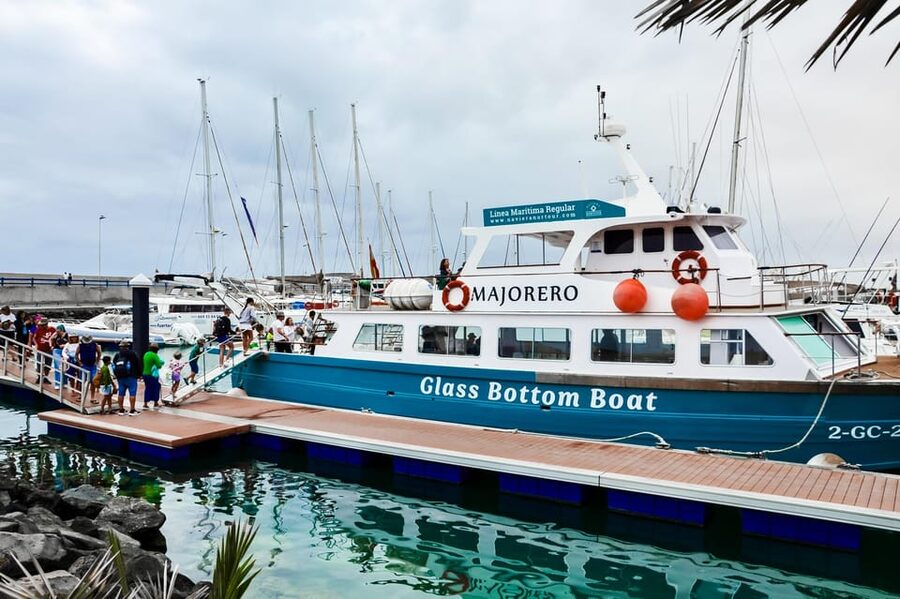
I’d treat the meeting point like part of the trip, not a last-minute chore. The ferry departure is from the Port of Corralejo, and you’ll find the Naviera Nortour ticket office at the entrance of the port, next to La Lonja.
If you’re driving, plan ahead for parking. The port area can be tricky, so arriving early helps you handle both parking and check-in calmly. One important reality check: if you arrive late and miss the boat, the ticket has no refund. That’s not meant to be scary, just practical.
The good news is that people consistently describe this as easy to find and straightforward to use. So if you give yourself enough time to park and walk in, you should feel like you’re moving with the day instead of racing against it.
Crossing times: choosing the return slot that fits your style
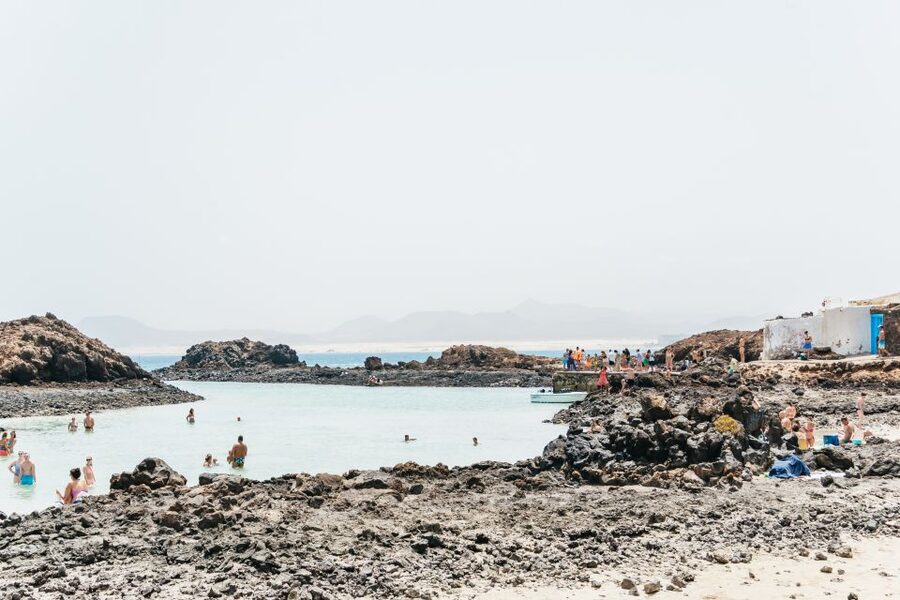
The crossing itself is about 20 minutes, so what shapes your day is your return time. On the day of your visit, the listed return options include 11:40, 14:20, and 17:00. From July to September, there are additional return times at 16:00 and 18:00, depending on availability.
Here’s how to think about it. If you book an earlier return (like the 11:40 slot), you’re signing up for a focused taste: quick harbor area time and one main activity, like a short swim or a partial walk. Choose the 14:20 or 17:00 return if you want breathing room to do the beach plus a proper hike or a longer lighthouse-style walk.
In summer, departure timing can cut down your time on Lobos. For July–September, if your departure is at 15:30 or 16:30, you’ll have about 2 hours or 1 hour on the island because the last return is at 18:00. That can still work if your goal is mostly swimming and relaxing, but it’s not enough time to do everything.
A practical tip: decide what you want to be true by the end of the day. Do you want big viewpoints? Then plan for more time. Want beach time and an easy loop? Then a shorter return can be perfect.
Arriving on Lobos: Josefina Plá, the visitor centre, and your first orientation
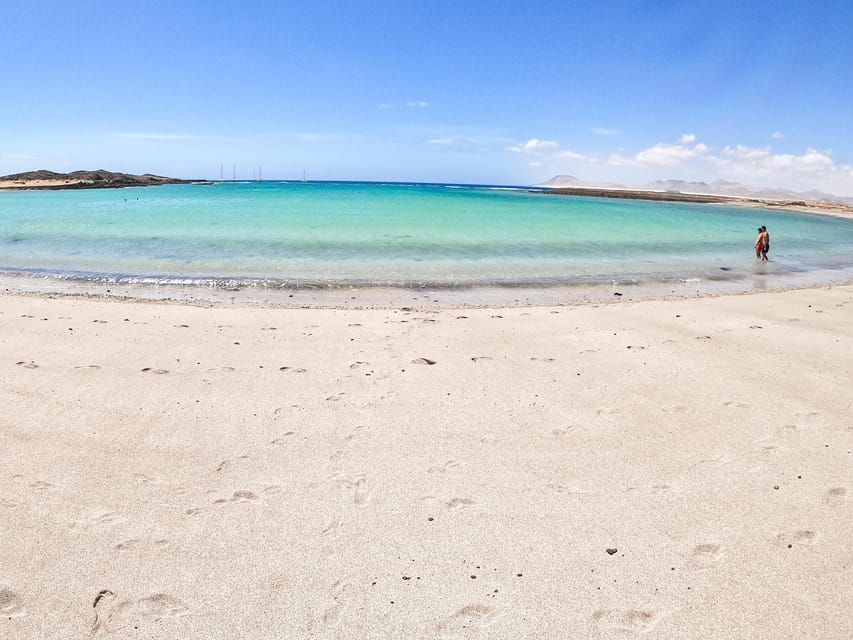
Docking on Lobos feels like stepping into a quiet rhythm. When you arrive, you’ll be greeted by a statue of Josefina Plá, a Spanish writer and poet born on the island, located next to the visitor centre.
That little orientation moment matters, because Lobos is a protected natural park. Your best experience comes from knowing what’s close, what’s far, and what’s worth your energy. The visitor centre area is a natural place to get your bearings fast and decide which direction to go first.
I like that the island doesn’t act like a theme park. It’s volcanic ground, marked paths, and a few main beach areas. That means your day comes down to your own choices.
Also, keep expectations realistic. Lobos has no shops and no drinking water sources. There isn’t a reliable place to buy more sunscreen, refill bottles, or grab a snack if you underestimate how much sun you’ll soak up.
El Puertito and La Concha (La Caleta): where the swimming feels easiest
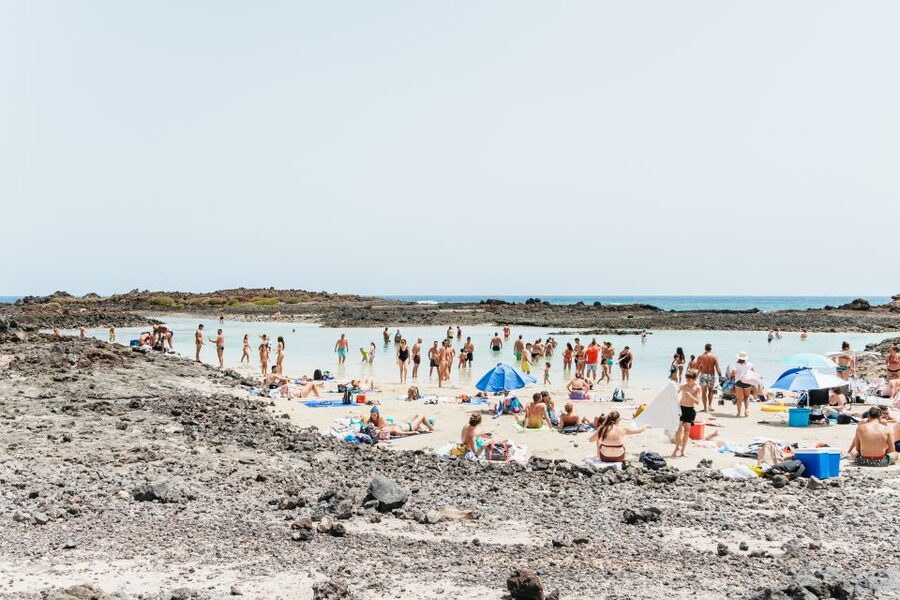
Once you’re ready to cool down, look around the harbor area. Two beaches do the heavy lifting for most day trips:
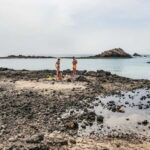
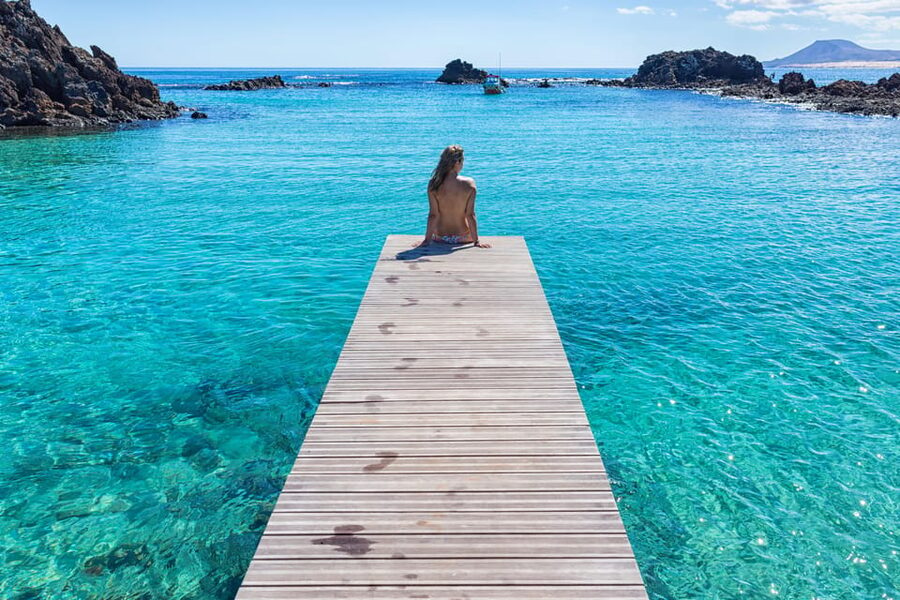
El Puertito is to the right of the harbour and it’s described as a charming former fishing village area. You’ll find rustic buildings and a white sandy beach with shallow, turquoise water that’s ideal for a refreshing dip.
La Concha Beach (La Caleta) is to the left of the harbour. It’s a crescent-shaped beach that works well for families and sunbathers because the waters are calmer and the setting is friendly for swimming.
This is one of the main reasons I think this ferry day trip is worth it. You don’t have to win a long-distance hike just to earn a swim. The beaches are reachable without needing marathon planning.
One more useful reality: the island terrain is dry and volcanic, with no trees or natural shade. So while you can relax on the sand, don’t rely on the environment for shade. Bring what you need to stay comfortable.
Montaña de La Caldera: your main hike for panoramic views
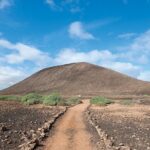
If you’re into viewpoints, the main hiking payoff is La Caldera Volcano. It’s the island’s highest peak at 127 metres, and the hike takes about 1 hour 30 minutes round trip.
What makes it worth doing is the reward: panoramic views over Fuerteventura and Lanzarote. That’s the kind of payoff that makes the hike feel like part of the scenery, not just a task.
The main consideration is heat and footing. Lobos has rugged volcanic ground and little to no shade, so your hike plan should start with proper shoes and sun protection. Wear sports shoes, and if you’re expecting wet areas near beaches, water shoes can help.
I’d also keep your energy tied to your return time. If you choose a shorter ferry back, you may not have enough room in your schedule to do both a long hike and a full beach session. In that case, choose one main experience and let the rest be bonus time.
Faro de Lobos: the quieter lighthouse loop for a calmer pace
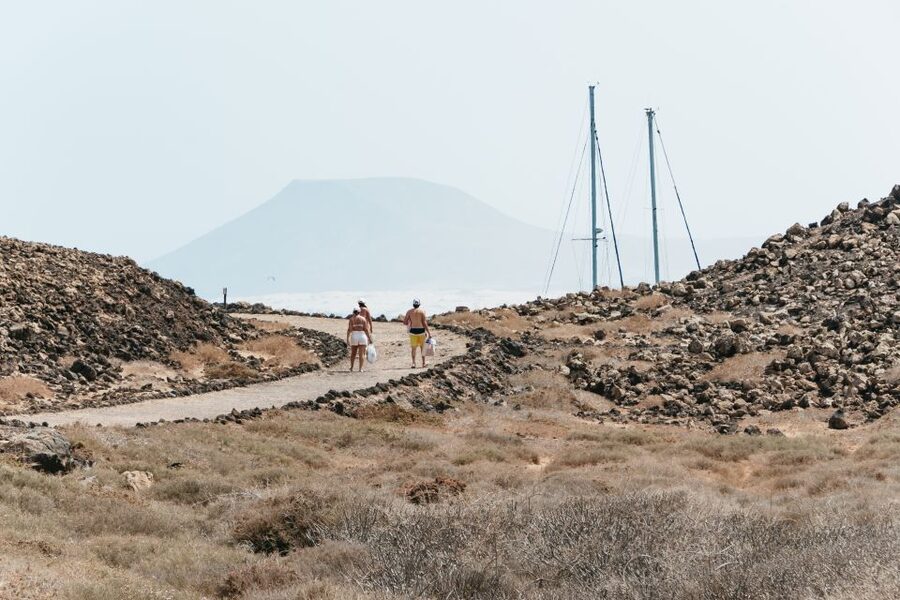
For a more relaxed walking day, head toward the lighthouse: Faro de Lobos. It’s in the northernmost part of the island, and it’s a historic light once maintained by Josefina Plá’s father.
The total walk around the island including the lighthouse takes about 2 hours 30 minutes, so it’s a better match for return times like 14:20 or 17:00. If you like wandering, taking photos, and moving at a steady pace, this loop is a great way to see the island beyond the immediate beach zones.
Compared with Montaña de La Caldera, the lighthouse option feels less like a single steep goal and more like a route you can manage. Still, you’re on a dry volcanic island, so keep your basics close: water, sun protection, and a plan to carry your rubbish out with you.
What to pack for Lobos: the shop-free reality check
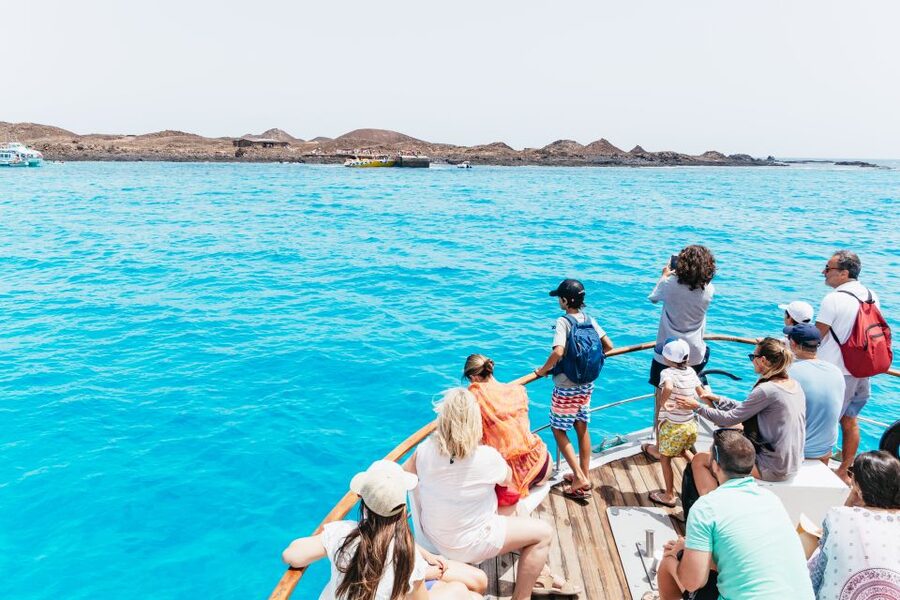
This is the part that can make or break your day. Lobos is a natural park with no shops and no drinking water sources. Even the beach kiosk isn’t always open.
So pack like this is a picnic day, not a convenience day:
- plenty of water
- food for your whole time
- sunscreen, sunglasses, and a hat
- a towel and beachwear
- sports shoes, plus water shoes if you want extra comfort near the water
Also remember your documents. You’ll need a passport or ID card, and a copy is accepted.
Finally, the island is protected nature, so respect the rules. Stick to marked paths and take your rubbish with you. It’s a small action that helps keep Lobos the way it’s supposed to be.
Weather, sea conditions, and how to stay comfortable on both crossings
The ferry crossing is short, but conditions can still affect how comfortable you feel. The company notes that the tour may be cancelled due to adverse weather conditions, and if it’s cancelled you can reschedule or receive a full refund.
On choppy days, you may get splashed, especially if you sit outside near the front on the return. A simple fix is to choose a more sheltered seat if you’re trying to avoid getting soaked.
This is also where packing pays off. If you want a smooth experience, bring a light layer you can use if the sea breeze is colder than expected.
Who this trip suits best (and who should rethink it)
I think this day trip fits best if you want a low-stress way to reach a protected island and you’re happy making your own choices once you arrive.
You’ll enjoy it if you like:
- swimming in calm coves like La Concha
- walking to a viewpoint like Montaña de La Caldera
- a simple, reliable ferry day without a heavy tour structure
- quiet nature time away from Fuerteventura’s bustle
It might not be ideal if you need mobility support. The experience is described as wheelchair accessible, but it also says it’s not suitable for people with mobility impairments. That mismatch likely comes from Lobos itself: volcanic paths, heat, and walking from the pier to beaches and viewpoints.
If you’re going with kids, it can work well for beach time because both main swimming areas are close to the harbor. Just match expectations to the island reality: bring shade solutions, water, and snack planning.
Should you book the Corralejo to Lobos return ferry?
Book this if you want an easy, well-run day trip where the main highlight is the island itself. The crossing is quick, the staff support the boarding and offloading process, and the beaches and hikes give you a full day of options without feeling rushed.
Skip it or plan carefully if you can’t pack your own supplies. With no shops and no drinking water, you’ll want to be disciplined about bringing enough food and water. Also choose your return time thoughtfully, because your ferry slot decides whether you can do one big hike or only enjoy the harbor area and a swim.
If you want a straightforward way to trade “beach time” for “beach plus volcanic views,” this is a strong choice.
FAQ
Where do I meet the ferry in Corralejo?
You’ll find the Naviera Nortour ticket office at the entrance of the Port of Corralejo, next to La Lonja.
How long is the boat ride to Lobos Island?
The crossing takes about 20 minutes each way.
What return times are available on the day I go?
You can choose from return times of 11:40, 14:20, and 17:00. From July to September there may also be additional return options at 16:00 and 18:00, depending on availability.
Do I need to bring water and food?
Yes. There are no shops on the island and no drinking water sources, and the only beach kiosk is not always open. Bring everything you need for your time on Lobos.
Are there shops or drinking water on Lobos Island?
No. The island has no shops and no drinking water sources, so you must plan ahead.
Is the trip accessible for wheelchairs?
The experience is listed as wheelchair accessible, but it is also noted as not suitable for people with mobility impairments, likely because of the island walking and terrain.