REVIEW · MINDELO
Cova–Paúl Valley Trek: Santo Antão Day Trip by Ferry
Book on GetYourGuide →Operated by Green Line Tours Cabo Verde · Bookable on GetYourGuide
Santo Antão begins with a ferry ride. I love the Cova de Paúl viewpoint—the moment you look down into the green valley—and I also love how the trek carries you through working farms in Paúl, where everyday life is the main show. One consideration: the walk down the crater is partly uneven and steep, so it’s not a good match if you have back issues or fear heights.
This day trip is built around real movement: van-to-crater, hours of hiking, then lunch and a Grogue distillery visit before heading back by coastal road and ferry. If seas are a bit lively, pack for seasickness, because the ferry ride depends on wind conditions.
In This Review
- Key things I’d circle on this tour
- Ferry Time From Mindelo: Wildlife on your schedule
- Cova de Paúl Crater: The big payoff starts at altitude
- Descending Toward Cabo de Ribeira: Paúl Valley isn’t scenery, it’s work
- Ribeira Grande Lunch: Refuel, then keep going
- Paul and the Grogue Distillery: Rum culture with real process
- The Coastal Road Back to the Harbor: Mountain turns, tunnel time
- Price and value: What you pay for (and what you don’t)
- What to bring: The day is simple, your kit isn’t optional
- Who should book (and who should skip it)
- Should you book the Cova–Paúl Valley Trek?
Key things I’d circle on this tour
- Cova de Paúl crater views: you start high and descend into the lush Paúl valley.
- Paúl Valley farming villages: mango, papaya, goiaba, oranges, apples, passion fruit, avocado, sugarcane, bananas, and coffee plants show up along the route.
- Grogue distillery entrance: you see how rum is made, not just hear a quick story.
- Early pickup from Mindelo: a full day that starts efficiently and uses your daylight well.
- Experienced guides (often small groups): English, Portuguese, Spanish, and French are available, and you may get a very personal pace (I’ve seen groups as small as three with Danny).
Ferry Time From Mindelo: Wildlife on your schedule
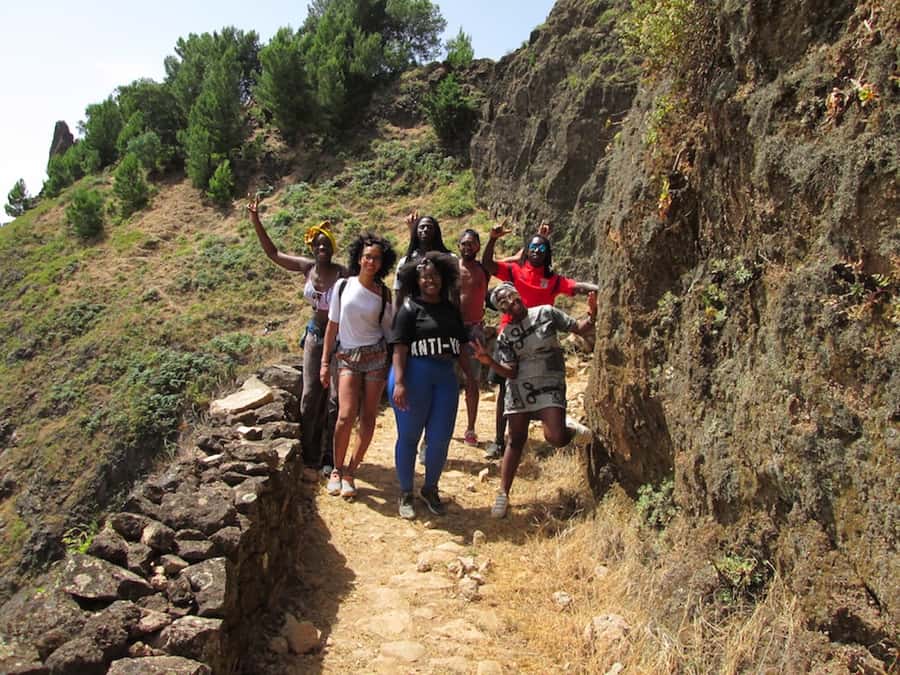
You start early in Mindelo with pickup at your accommodation, then a short van ride toward the harbor. The ferry crossing to Santo Antão takes up to about an hour. What makes this segment more than just transportation is what you can catch on deck: dolphins, flying fish, and general marine life, when conditions allow.
If you’re the type who gets queasy, don’t tough it out. The ride is typically calm, but it depends on the winds. I’d treat seasickness prep as part of your “hiking kit,” because you’ll be active all day afterward.
On the other side, you’re met by your local guide and transferred by road—about 40 minutes is typical—into the mountains toward the crater. This is the quick rhythm change that makes the day feel like a journey, not a checklist.
Cova de Paúl Crater: The big payoff starts at altitude
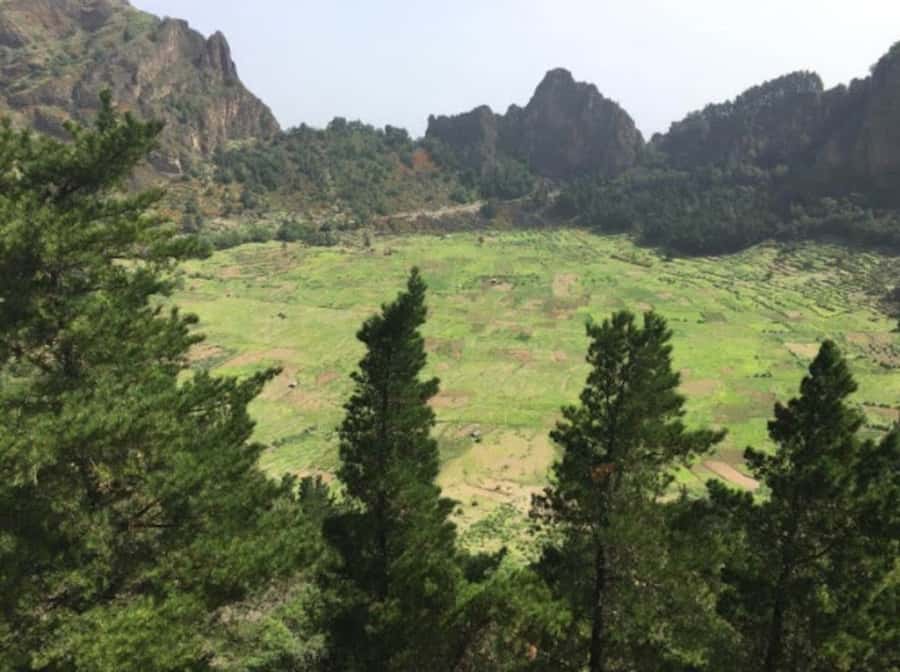
Once you reach Cova de Paúl, you get a guided start that includes a safety briefing and time for the hike to begin in a way that feels clear and controlled. The guided crater portion is about 2.75 hours, and you’ll feel the difference between “walking” and “trekking” pretty fast.
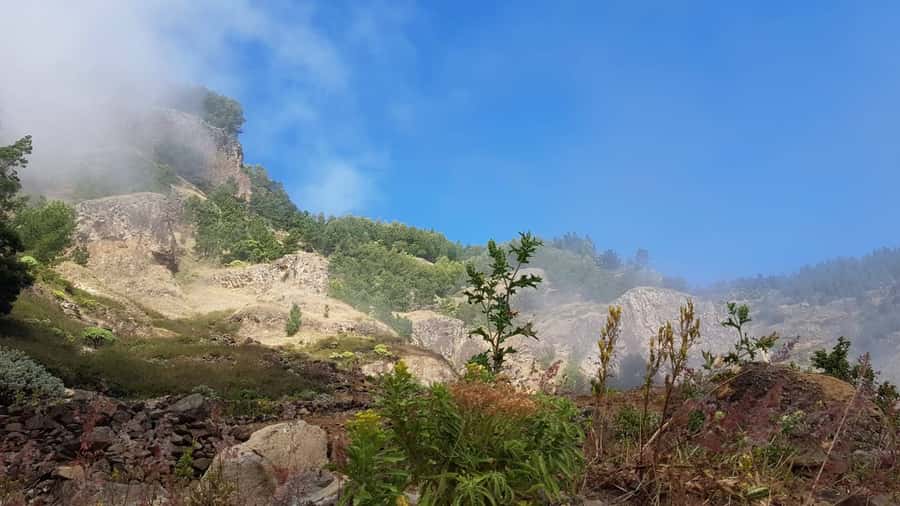
Here’s why this part matters: you’re hiking on the edge of an ancient volcanic crater. When you look out from the top, the views are the point. From that height, you can see an immense lush green valley below, and in the distance, the sea. Then the day shifts from “look around” to “keep moving,” with the descent gradually leading you toward Cabo de Ribeira.
I also like the way guides pace you. In past groups, guides like Sonia and Madu have been praised for adjusting tempo and staying attentive—especially when a steep descent means you need your footing and breathing to feel steady. If you like having a plan and an informed guide, this is the part that delivers.
Descending Toward Cabo de Ribeira: Paúl Valley isn’t scenery, it’s work
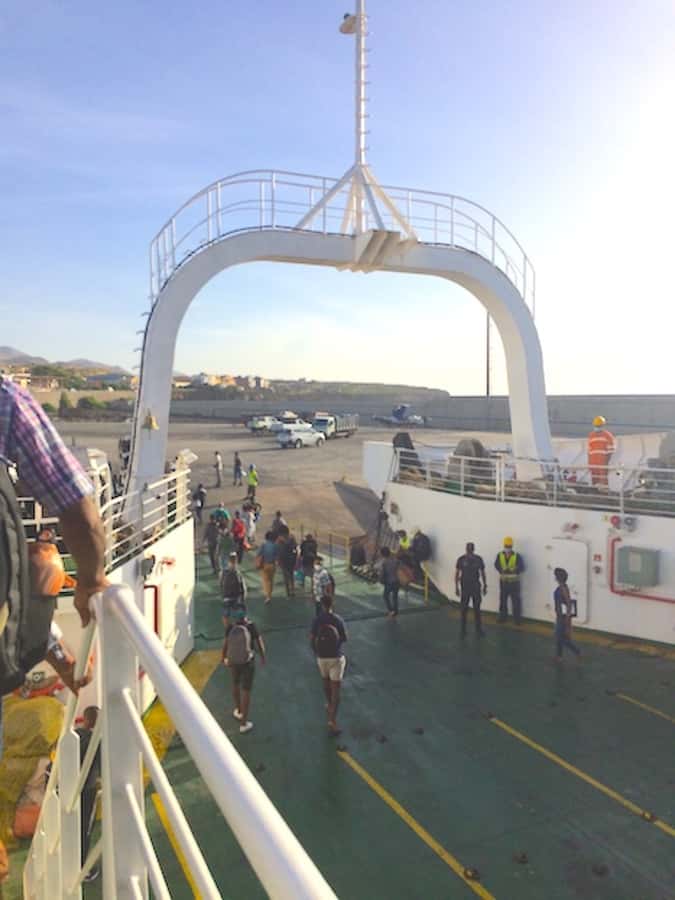
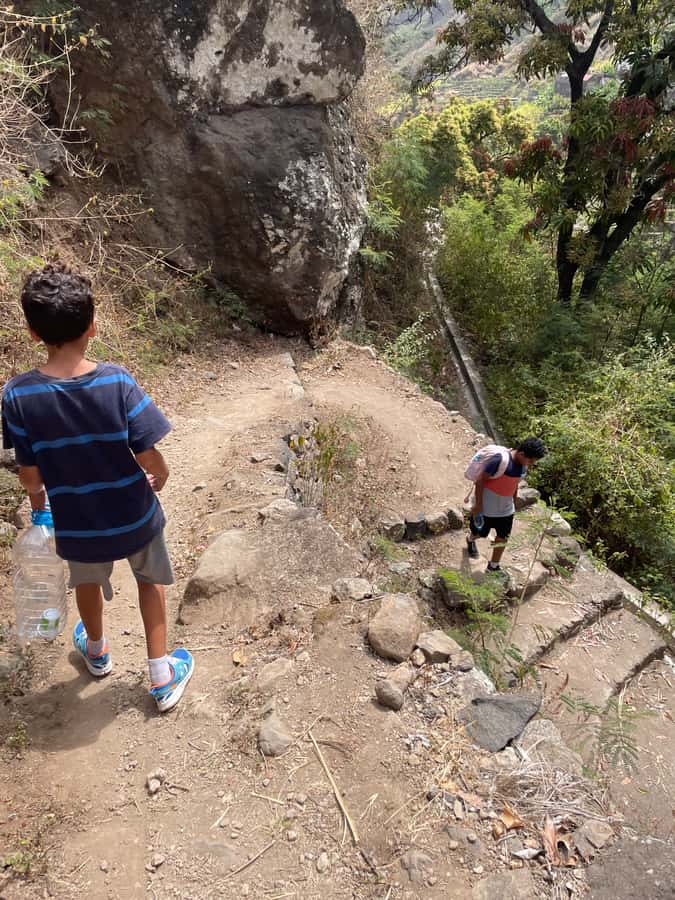
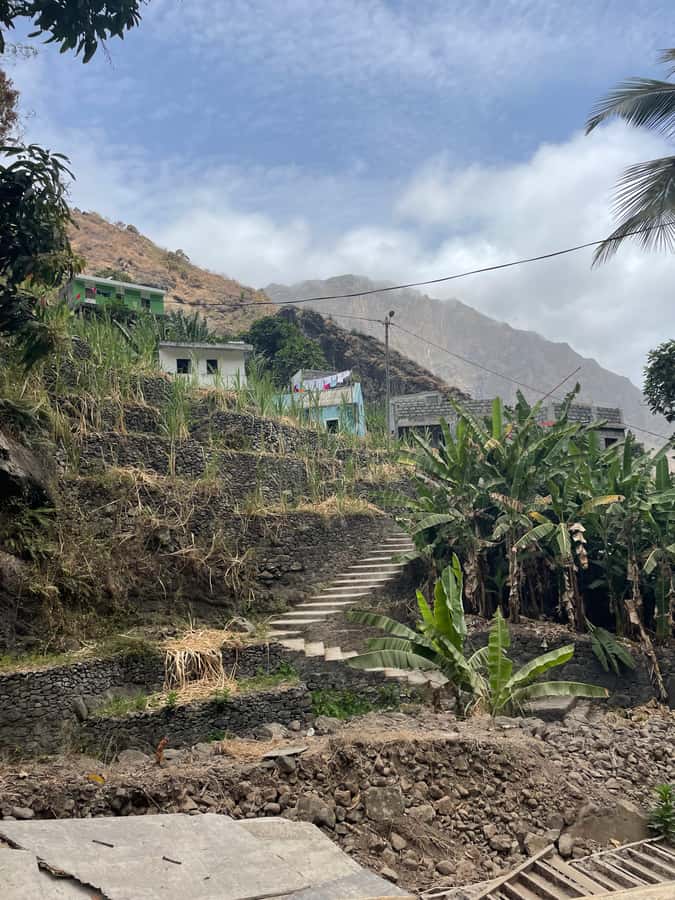
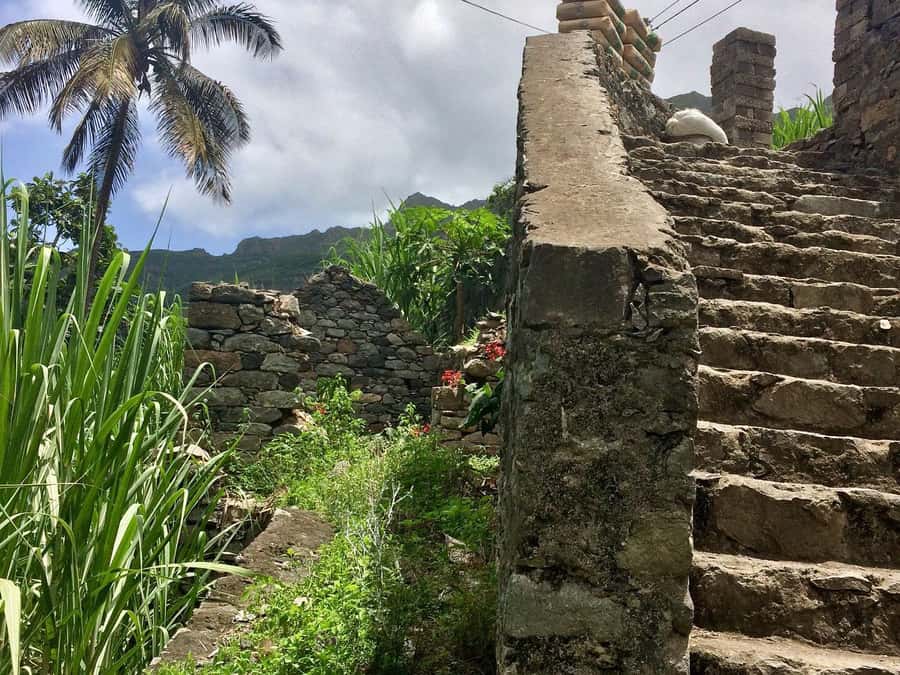
The trek from the crater turns mostly descending as you move down toward Cabo de Ribeira. This is where the tour becomes more than sightseeing. You’re walking into the Paúl valley, and you pass through small villages where agriculture runs the rhythm of daily life.
The route gives you repeat chances to notice what’s growing. Expect to see trees and crops that include mango, papaya, goiaba, oranges, apples, passion fruit, avocado, sugarcane fields, bananas, and coffee plants. Even if you don’t know plants by name, your eyes start doing it automatically—because the valley is productive and the farming is visible.
One practical note: that descent is stunning, but it’s not flat. Paths can be stony and uneven. This is why good hiking shoes matter, and why you should plan for your legs to feel it. In one group, the descent was intense enough to earn a comment about having the worst muscle ache of all time—so if you’re expecting an easy walk, reset those expectations.
Along the way, guides tend to connect what you see to how people live here: how crops fit the terrain, what the valley means to the community, and how the landscape shapes routines. That context turns the trek into a story you can walk through.
Ribeira Grande Lunch: Refuel, then keep going
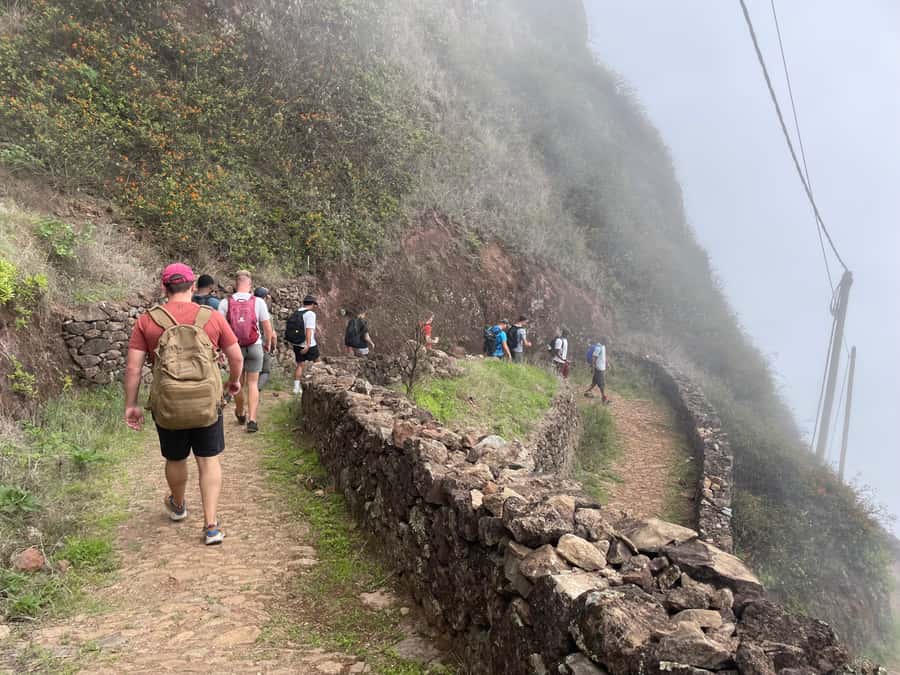
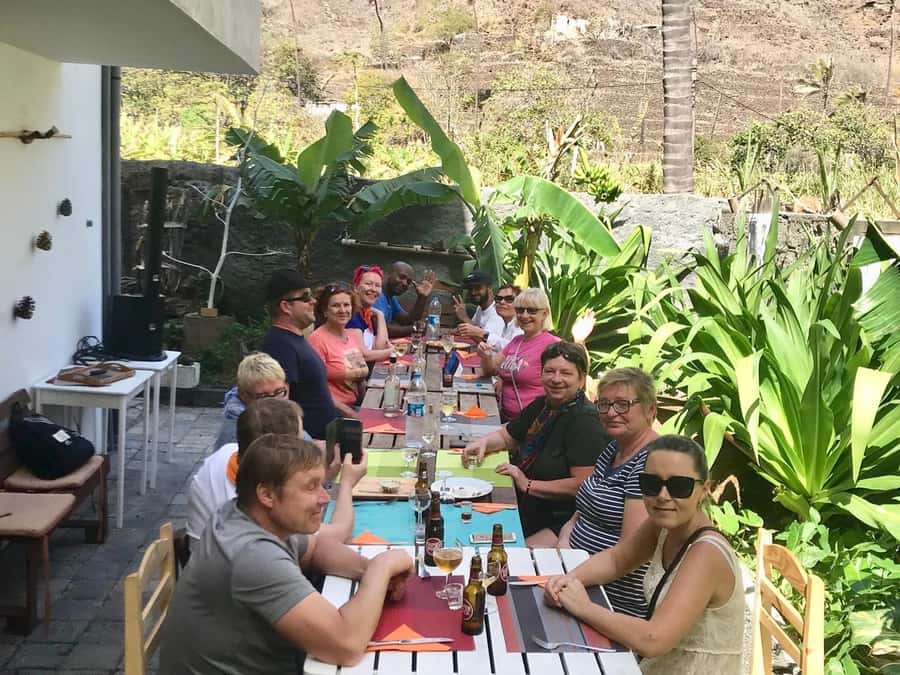
After the main trek, you head to Ribeira Grande for lunch. Lunch time is about 1.5 hours. This matters because the day is long: ferry, crater hike, descent, then lunch, then distillery time, then the return.
Two things to know before you rely on your card:
- Lunch is not included in the price.
- The restaurant accepts euros and escudos—but it does not list credit cards as an option.
If you have dietary restrictions, the tour operator asks you to inform them ahead of time. That’s worth doing early, because it’s your best shot at having something you can eat comfortably after hours on your feet.
If you’re hungry, eat like you mean it. This isn’t the last stop—after lunch you still have the Paul spirits visit and the ferry return ahead.
Paul and the Grogue Distillery: Rum culture with real process
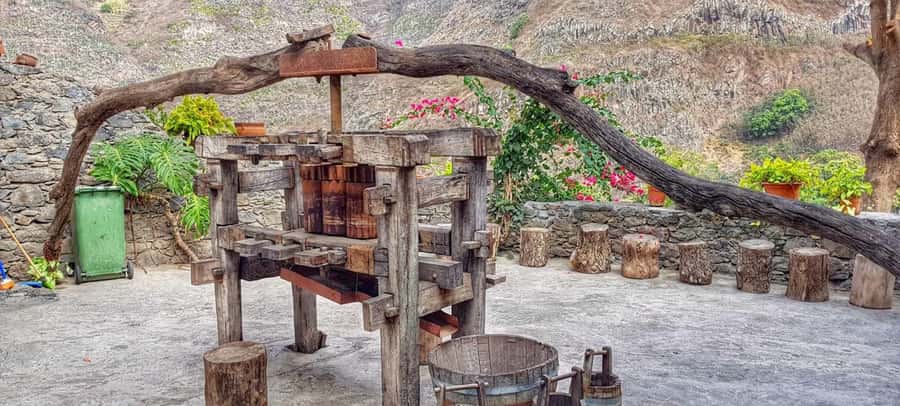
Next you travel toward Paul for a spirits stop, focused on a Grogue distillery entrance included in the tour. The spirits portion is about 20 minutes, with a short van transfer time around it.
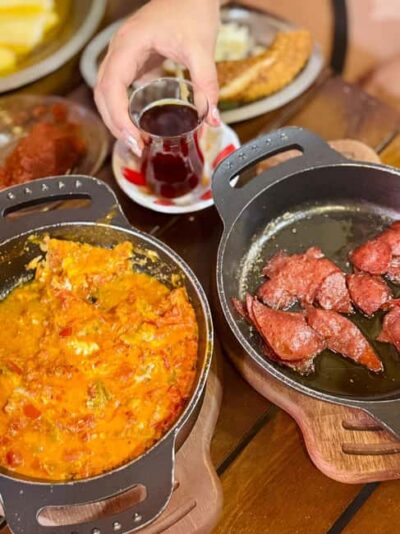
What you’ll get here is specifically process-based: you see how rum is made. That makes it feel grounded rather than like a quick gift-shop detour. If you like food and drink that has a local production story, this is a satisfying “texture” break after the hiking.
I also like that the distillery stop keeps the day diversified. You’re not just walking from view to view. You’re switching into a cultural craft experience—then back onto the road again.
The Coastal Road Back to the Harbor: Mountain turns, tunnel time
After Paul, the tour returns you toward the harbor with a coastal road drive. There’s time on the road to pass through mountain tunnels and colorful villages, then you reach the ferry for the trip back to São Vicente. The ferry ride back takes about an hour, and you’ll end with a transfer back to your accommodation in Mindelo.
This “return leg” is when the day settles. You’re tired, yes, but you get something useful: a calmer view of the island’s variety between the mountain areas and the coast. It’s also a good time to re-check that you have your passport stored safely. You already used it for ferry travel, but you’ll want it handy and not stuffed in a random pocket.
Price and value: What you pay for (and what you don’t)
At $141 per person for an 11-hour day, you’re paying for a full logistics chain, not just a hike. Included are:
- Roundtrip ferry tickets
- Pickup and drop-off in Mindelo
- Private transportation during transfers
- A local guide (English, Portuguese, Spanish, French)
- Entrance to the Grogue distillery
- Liability insurance
What’s not included:
- Lunch
- Beverages
- Personal expenses
So the value equation looks like this: you’re funding the ferry, the guide expertise, the transport time (which is a big deal on an island with mountain roads), and the distillery entrance. For a day that blends active walking with a cultural stop, that’s a fair setup—especially if you end up in a smaller group. Even the reviews point to days that felt personal, like when Danny guided a group of just three.
If you’re budget-minded, plan for lunch and drinks with cash (euros or escudos), since credit cards may not be a safe assumption at the lunch stop.
What to bring: The day is simple, your kit isn’t optional
This is a working hike day. Pack like you’ll be hot, sun-exposed, and then suddenly cooler at sea level and in higher air.
Bring:
- Passport (required for ferry travel)
- Hiking shoes (non-negotiable for uneven descents)
- Water
- Hat and sunglasses for sun protection
- Jacket (it can be cooler during November through March)
- Sweater for cool ocean and mountain air
- Trekking gear; a walking stick is optional but can help on the downhill
Also, consider planning for seasickness just in case. The ferry ride is often calm, but you don’t want to gamble.
Who should book (and who should skip it)
This tour fits best if you:
- Want an active crater-to-valley hike with dramatic views
- Enjoy agriculture and want to see how people grow food in Paúl valley
- Like pairing a hike day with a short, process-based distillery experience
- Prefer guided history and practical context while you walk
It’s not suitable if you:
- Have back problems
- Have mobility impairments
- Fear heights
- Have altitude sickness
- Travel with children under 5
That last point isn’t just caution—it matches how the day is built: long hours, steep walking segments, and mountain conditions that don’t scale down easily for small kids.
Should you book the Cova–Paúl Valley Trek?
If you want a day that feels like Santo Antão has personality—mountain air, a volcanic crater viewpoint, working farms, then rum craft—you’ll likely love this. The biggest reason to book is the sequence: you don’t just see the valley from afar; you walk into it, then you end with a local production stop at Grogue.
I’d skip it only if you know you can’t handle uneven downhill walking or if heights make you tense. If that’s you, there’s no shame in choosing a gentler day.
If you do book, do it with one mindset: this is a full day outdoors with real elevation changes. Pack well, pace yourself, and you’ll come back with photos and, more importantly, a sense of how the island works.