REVIEW · MINDELO
Santo Antão Highlights: Day Trip by Car with Ferry from SV
Book on GetYourGuide →Operated by Green Line Tours Cabo Verde · Bookable on GetYourGuide
Santo Antão is the island that makes Cape Verde feel suddenly bigger. This day trip pairs a sunrise ferry with a guided car route that climbs into the mountains and then swings back along the coast, so you get a real sense of how the island lives and looks.
I especially love the views you earn. You spend the day on roads like the Old Mountain Road, then you stop at big viewpoints such as Cova de Paúl and Pico da Cruz, where the island’s volcanic shapes are right in front of you. I also love that the tour includes a real cultural touchpoint: a grogue distillery stop, plus time in towns where you see daily life rather than just passing by.
One possible drawback: it’s an early start and a long day—around 11 hours total—with high-altitude roads and some cool ocean/mountain air. If you get motion sickness, plan for it, and if you’re afraid of heights, this isn’t the best fit.
In This Review
- Key things that make this tour worth your time
- Why Santo Antão Feels Different From São Vicente
- Morning Start: Mindelo Pickup and the 7:00 Ferry
- Porto Novo to the Old Mountain Road: The First Big Change
- Cova de Paúl Crater: The Stop That Makes the Day Click
- Pico da Cruz (1,585 m): High Viewpoints Without the Long Hike
- Delgadinho Ridge: Green Valleys From Above
- Ribeira Grande, Paúl, and the Island’s Town Rhythm
- Ribeira Grande: Lunch + time to look around
- Ponta do Sol and the Sinagoga stop
- Paúl Valley: more viewpoint + a distillery lead-in
- Grogue Distillery Stop: Sugarcane to Cape Verdean Spirits
- Janela and the New Coastal Road Return: Cliffs, Tunnels, and Contrast
- Price and Value: What $135 Buys You
- Packing and Comfort Tips for an Early, Hilly Day
- Who Should Book This Santo Antão Day Trip (and Who Should Skip It)
- Should You Book Santo Antão Highlights by Car with Ferry?
- FAQ
- What time do I get picked up in Mindelo?
- When does the ferry depart and how long is the crossing?
- Where do I meet the guide on Santo Antão?
- Is lunch included in the tour price?
- What’s included besides the guide and transportation?
- What should I bring for the day trip?
- Is this tour suitable for people afraid of heights?
Key things that make this tour worth your time
- Early ferry from São Vicente: you start with daylight and arrive on Santo Antão right on schedule
- Old Mountain Road viewpoints: crater and ridge stops give you the dramatic “why Santo Antão is famous” moments
- Named stops in multiple regions: Porto Novo to Ribeira Grande, Ponta do Sol, Paúl, Janela—so the day feels like more than one area
- Grogue distillery included: you learn about sugarcane liquor and get an entrance stop built in
- Local guide with strong language skills: English, French, Spanish, and Portuguese are supported
- Return via New Coastal Road: cliff-and-tunnel driving adds a second “chapter” to the day
Why Santo Antão Feels Different From São Vicente
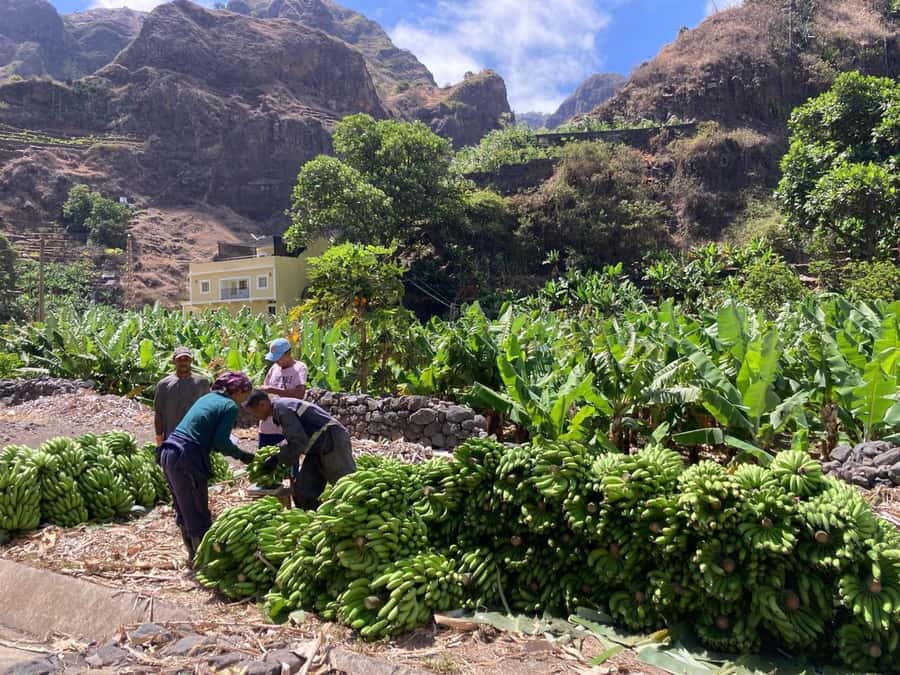
Santo Antão has a way of changing your mood. One minute you’re thinking about the ferry timetable from São Vicente, and the next you’re in a place locals clearly care about—mountains, valleys, and villages shaped by volcanic ground.
What makes this tour work so well is the pacing. You don’t just get one view and one town. You get a full-day loop that moves from Porto Novo into higher terrain, then back down toward the coast. That means you see how altitude and weather change what you can imagine the island is like.
You’ll also notice the people factor. The experience is built around a local guide who explains not only places, but how island life connects to the terrain. In the feedback you’ll see names like Madu and Danni come up with extra praise for being attentive and genuinely good at guiding the group.
Morning Start: Mindelo Pickup and the 7:00 Ferry
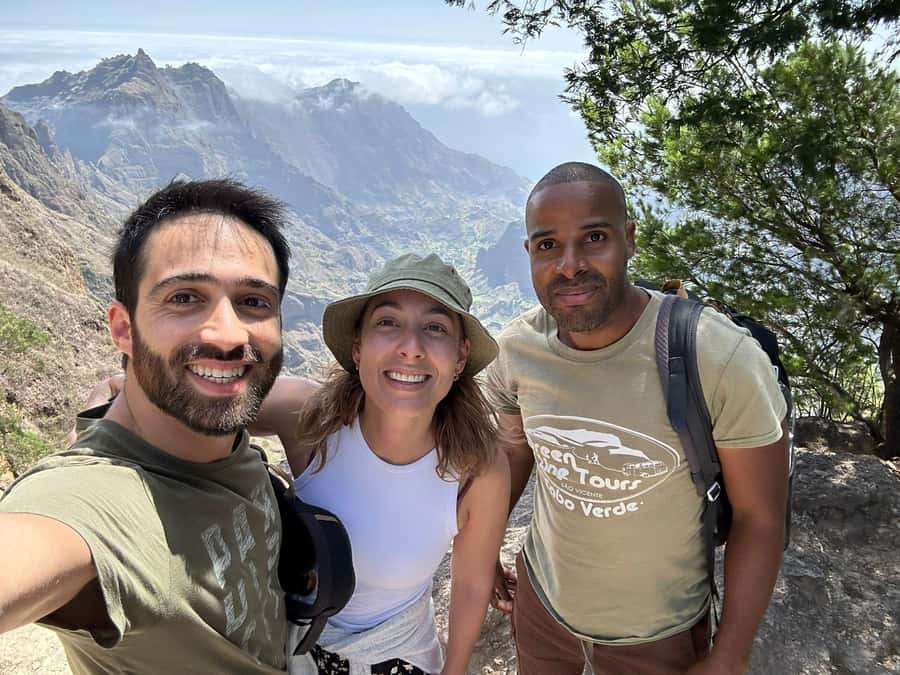
Your day begins early, with pickup in Mindelo between 06:15 and 06:30 (they confirm your exact address). If you’re not being picked up, the alternative is to meet in front of the Ferry Terminal Mindelo.
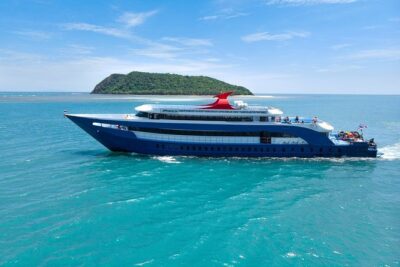
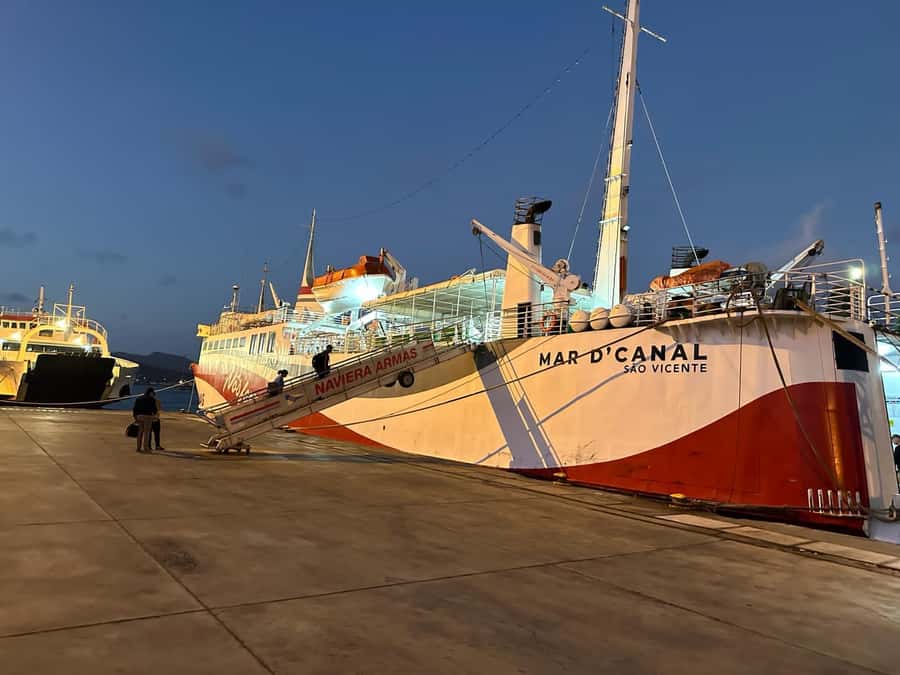
Then it’s straight to the harbor for the ferry ride. The schedule is clear: the ferry departs at 07:00 and takes about 1 hour to reach Porto Novo, Santo Antão. This timing matters. It helps you beat the busiest parts of the day and gives you light for photos on the island-side driving.
On the water, keep an eye out for dolphins or flying fish. You might not see them every time, but it’s a nice bonus when you do. If you’re sensitive to motion, the ride is typically calm, but the day includes mountain roads afterward—so it’s smart to be prepared.
Porto Novo to the Old Mountain Road: The First Big Change
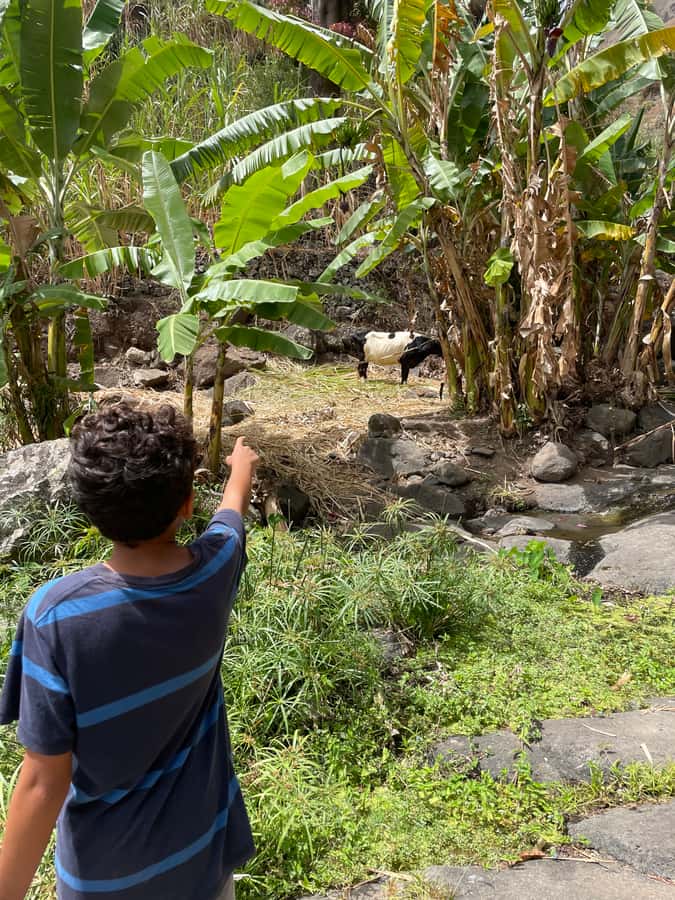
Arriving at Porto Novo means you’ll meet your local guide at the terminal (Garemaritima) with a sign showing your name. From there, the day shifts from “getting there” to “seeing.”
The key early theme is altitude and road engineering. You’ll drive the Old Mountain Road, which is where Santo Antão starts feeling like the island of mountains—steep grades, dramatic viewpoints, and a sense of being surrounded by volcanic terrain.
You’ll get multiple short photo stops and short guided segments rather than one long lecture. That’s practical: you’re looking at big distances and tight turns, so it helps to have guidance at the moments you can actually appreciate what you’re seeing.
If you’re the type who likes to understand what you’re looking at, this is where the guide’s role becomes valuable. Good guides explain not just the location, but what the land does to farming, settlement, and daily routines.
Cova de Paúl Crater: The Stop That Makes the Day Click
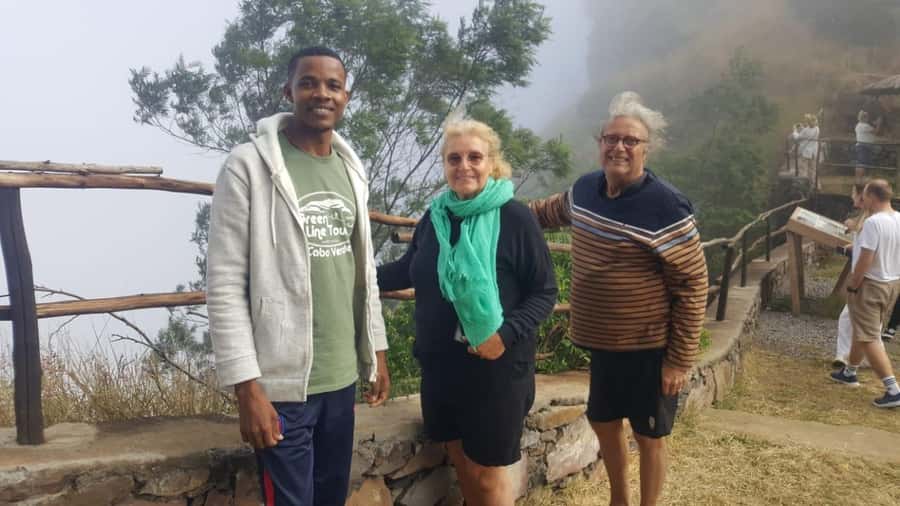
One of the best “hold onto your camera” moments is Cova de Paúl. You’ll reach the volcanic crater with a guided visit, plus a short photo stop and time to look around (the listed stop is about 15 minutes).
This is the kind of place where you can feel the island’s age. Volcanic craters aren’t subtle, and they change your mental map fast. Even if you’re not a geology person, you’ll come away with that instant wow: Santo Antão isn’t just pretty—it’s shaped.
Practical tip: plan to stand comfortably and take in the view slowly. The crater area is the type of stop where the best photos often come after you pause and adjust your position for the light.
Pico da Cruz (1,585 m): High Viewpoints Without the Long Hike
Next comes Pico da Cruz, listed at 1,585 m / 5,200 ft. This is another viewpoint stop built around brief guided time and scenic driving (about 10 minutes at the stop).
Why I like this: you get height without turning the day into a hike marathon. If you’re traveling with limited time, stops like this are a smart way to experience the island’s vertical scale.
From above, you’ll see the island’s valleys and ridges unfold. You also get a clearer sense of why Santo Antão is sometimes called the island of the mountains in Cape Verde.
Delgadinho Ridge: Green Valleys From Above
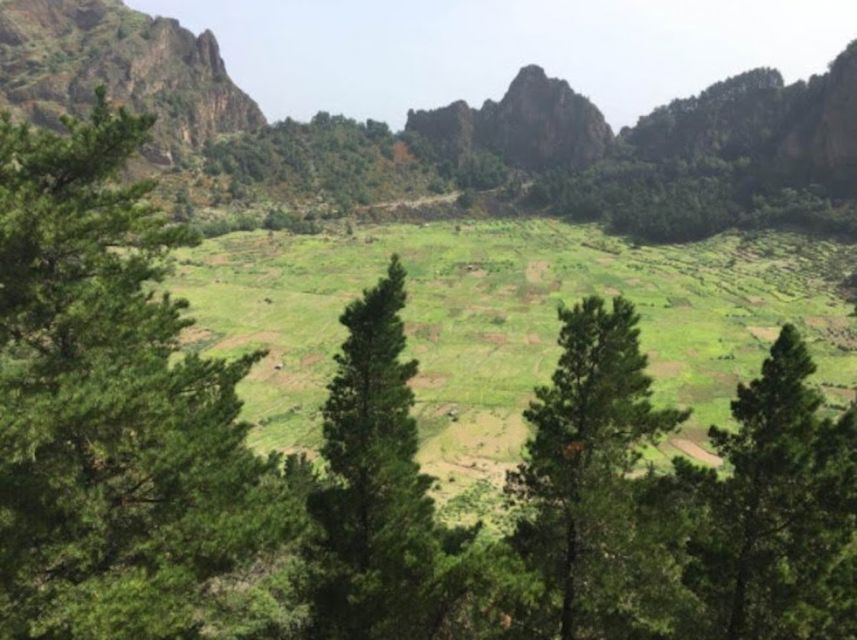
After the crater and high point, the route heads toward Delgadinho mountain ridge. This stop is about 15 minutes for photos, guided explanation, and sightseeing.
Delgadinho is one of those stops that helps you connect the dots. Instead of thinking only about sharp volcanic edges, you start noticing the valleys below and the way the island holds greenery in certain areas.
If you’re traveling in the cooler months (November through March), bring a jacket. Higher ridges and exposed viewpoints can feel chilly, and the tour guidance specifically notes cooler ocean and mountain air.
Ribeira Grande, Paúl, and the Island’s Town Rhythm
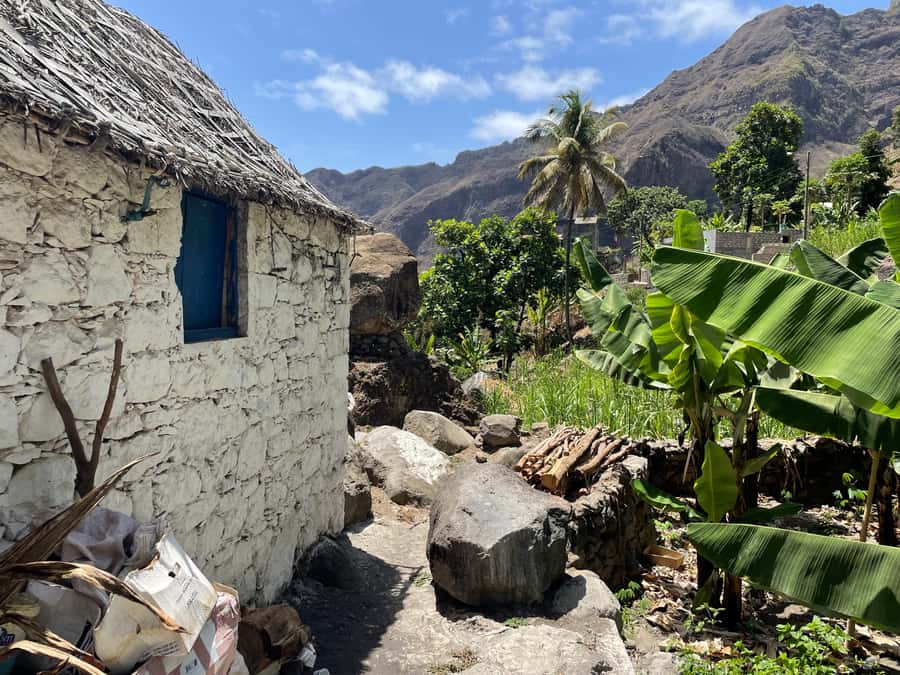
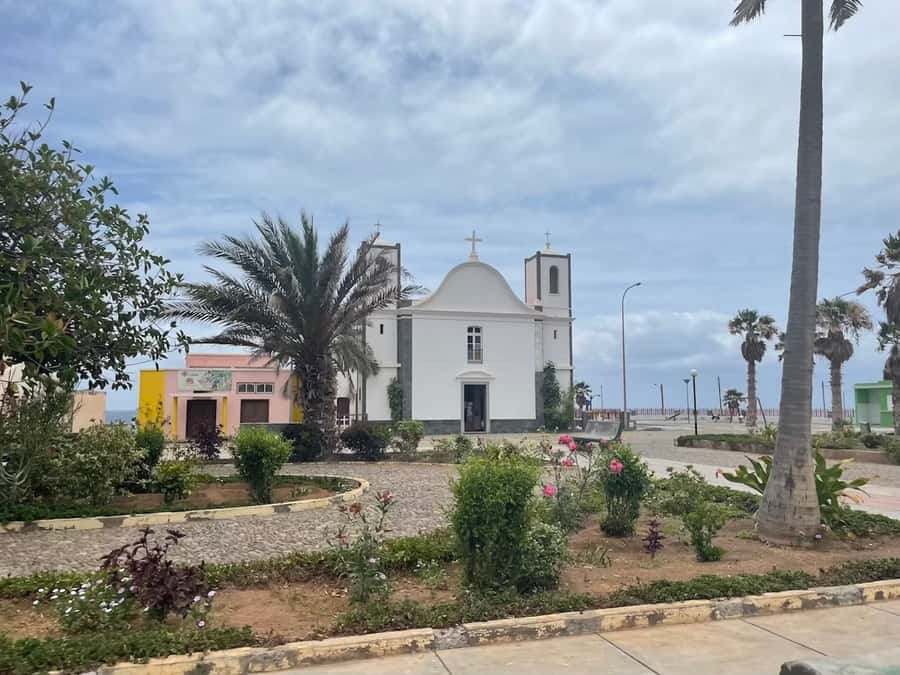
Now the day becomes more human-scale. The tour continues through historic towns and coastal villages, including Ribeira Grande, Ponta do Sol, Sinagoga, and Paúl.
Ribeira Grande: Lunch + time to look around
At Ribeira Grande, you’ll spend time with guided elements and sightseeing, with lunch scheduled here around 13:00. The lunch is not included, but you’re given the chance to eat a traditional Cape Verdean meal at a local restaurant.
A heads-up that matters for your wallet and your options: the restaurant accepts euros or escudos, but cards aren’t accepted. Bring cash in euros or escudos so you can relax and just eat.
This stop is where you can slow down. After crater views and ridge driving, a town meal helps the day feel balanced, not rushed.
Ponta do Sol and the Sinagoga stop
At Ponta do Sol, you’ll have a shorter visit (about 15 minutes) with guided commentary and sightseeing. The tour also includes a stop at Sinagoga.
These are short segments, but that’s the tradeoff of a full-day loop. The value is that you get a spread of regions in one trip, which is usually what people want when time is tight.
Paúl Valley: more viewpoint + a distillery lead-in
In Paúl, the itinerary includes a spirits-focused stop connected to the grogue distillery. You’ll also have guided time and sightseeing here. Even before you reach the distillery, Paúl is a useful location because it’s tied to how sugarcane becomes the island’s famous liquor.
Grogue Distillery Stop: Sugarcane to Cape Verdean Spirits
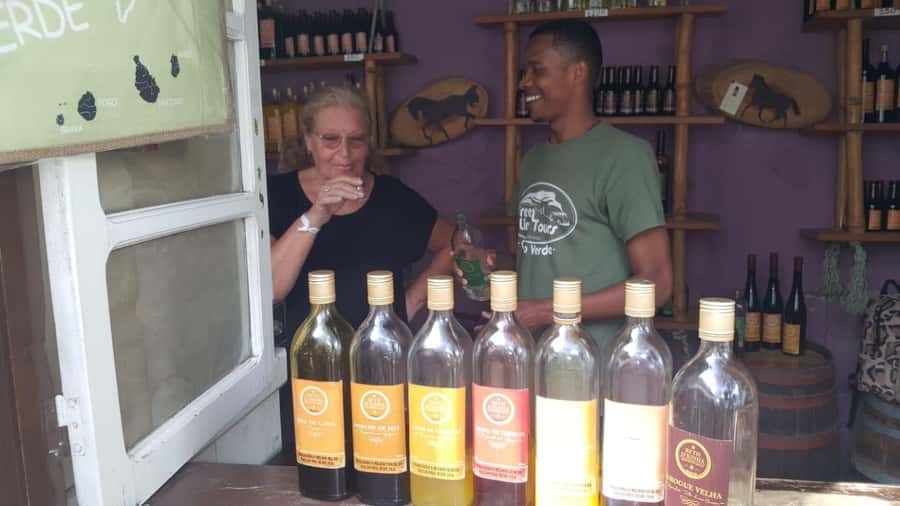
One of the most memorable included experiences is the grogue distillery entrance. This stop teaches you about the island’s famous sugarcane liquor and gives you a structured look at how it fits into local life.
The tour timing is built so you’re not just grabbing a quick drink and moving on. There’s a learning component, which is important if you want your day to feel like culture, not just consumption.
Also, this is where you’ll often see the best stories from guides. In the feedback, multiple guides are praised for being professional and cultural in how they explain what you’re tasting and seeing. If your guide is someone like Madu, you’ll likely get extra clarity about why grogue matters beyond the glass.
For pacing: remember this is a late-afternoon return day. If you choose to try spirits, do it slowly, sip, and still save energy for the ferry ride back.
Janela and the New Coastal Road Return: Cliffs, Tunnels, and Contrast
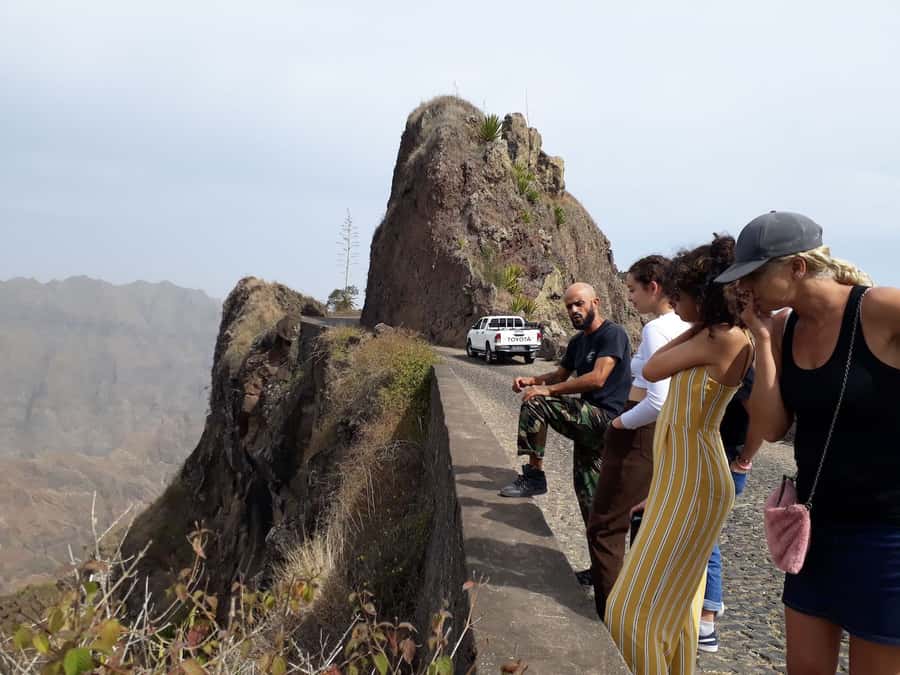
The return drive is the second half of the day’s personality. After visiting Paúl and surrounding areas, the route heads back to Porto Novo using the New Coastal Road.
This stretch is known for dramatic cliffs meeting the ocean and for mountain tunnels cut through rugged volcanic rock. That contrast is what keeps the day from feeling repetitive. You did mountains first; now you get the coastal geometry.
There’s also a stop via the coastal road in Janela (listed), which typically gives you another chance for views before the ferry.
Then it’s back to Porto Novo, ferrying to São Vicente. The schedule has you back in Porto Novo around 15:20, ferrying back around 16:00, and arriving São Vicente around 17:00, followed by transfer back to your accommodation in Mindelo.
Price and Value: What $135 Buys You
At $135 per person for an 11-hour day, the value comes from what’s packaged together:
- Roundtrip ferry tickets
- Hotel-to-harbor transfers in Mindelo
- Professional local guide
- Transportation for the whole island route
- Grogue distillery entrance included
- Liability insurance
If you tried to piece this together yourself—especially with the morning timing and coordinating a knowledgeable guide—costs and stress add up fast. Even if you don’t factor in stress, you’re paying for efficiency: you’re not spending your vacation time figuring out transport, meeting points, and the order of sights.
The lunch isn’t included, so you’ll still budget extra cash for that meal. But you’re given a realistic cost range (typically €10–20) and guidance that cards won’t work there—so you can plan.
In short: this price feels like it makes sense when you want one guided day that covers a lot of Santo Antão without you doing the scheduling work.
Packing and Comfort Tips for an Early, Hilly Day
Bring the basics the tour asks for, because they’re tied to comfort on this specific route:
- Passport (required for ferry travel)
- Comfortable shoes (you’ll do short walks and viewpoint standing)
- Sunglasses + sunscreen (sun and glare can hit hard)
- Water (especially before and after higher stops)
- Jacket (the guidance calls out cooler air during November through March)
Also: because it’s an early ferry plus mountain driving, I’d take motion sickness seriously. The ride is often calm, but winds vary, and you’re then on roads with altitude.
Who Should Book This Santo Antão Day Trip (and Who Should Skip It)
This tour is a strong match if you want:
- A first-time Santo Antão experience with major stops across multiple areas
- Guided interpretation so viewpoints and towns feel connected
- Nature + culture in one day (crater and ridges, then grogue and town life)
- A trip that doesn’t require you to manage transport on the island
Think twice if:
- You’re afraid of heights (this tour isn’t suitable)
- You struggle with early mornings and long days (it runs roughly 11 hours)
- You’re prone to seasickness and haven’t planned for it
Should You Book Santo Antão Highlights by Car with Ferry?
If you only have one day and you want the island’s “mountain + crater + culture” side, I’d book it. The structure is built for your time: morning ferry, a guided loop with multiple named stops, a grogue distillery entrance included, and a return by ferry that gets you back to Mindelo by early evening.
Two final decision helpers:
- Choose this tour if you want guides and stops organized for you, especially if you’d rather not coordinate transport around sunrise.
- Consider something else if heights or long drive days make you nervous.
If you’re ready for an early start and a day packed with viewpoints, Santo Antão delivers. This itinerary is one of the most practical ways to experience it in a single swing.
FAQ
What time do I get picked up in Mindelo?
Pickup is between 06:15 and 06:30, depending on your accommodation address. If you prefer, you can also meet in front of the Ferry Terminal Mindelo.
When does the ferry depart and how long is the crossing?
The ferry departs São Vicente at 07:00 and the crossing takes about 1 hour.
Where do I meet the guide on Santo Antão?
You meet your local guide at the terminal in Porto Novo, Garemaritima. The guide will have a sign with your name on it.
Is lunch included in the tour price?
No, lunch is not included. It’s typically around €10–20, and you’ll need cash in euros or escudos because cards are not accepted.
What’s included besides the guide and transportation?
Included items are hotel-to-harbor transfers in Mindelo, roundtrip ferry tickets, professional local guide, transportation, entrance to a grogue distillery, and liability insurance.
What should I bring for the day trip?
Bring your passport for ferry travel, comfortable shoes, sunglasses and sunscreen, water, a jacket (cooler on the mountains/ocean air, especially Nov–Mar), and comfortable clothes.
Is this tour suitable for people afraid of heights?
No. The tour is not suitable for people afraid of heights.