REVIEW · COZUMEL
FunDiving in Cozumel – By Ferry – 2 Tanks in the wonderful Caribbean sea
Book on Viator →Operated by Dune Mexico Blue Dream · Bookable on Viator
Cozumel’s reef day moves fast. You get two tank sessions on a protected island reserve, with lunch and real-time instruction, all wrapped into a tight ~5-hour plan. I especially like the two different sites approach and the big-boat setup that keeps the day organized. One thing to watch: communication quality can vary, so you’ll want to confirm you’re getting a clear briefing before each water time.
I also like that the program is built for efficiency without cutting corners. You’ll have a certified instructor on hand, rental gear is available for a separate fee, and the boat provides basics like bottled water and fruit between sessions. Between the two water times, you get a break on deck, and on some departures the crew even sets up fresh guacamole and salsa.
My only caution is practical: pickup and briefing can be inconsistent depending on how your group is handled. If your language needs are specific or you’re sensitive to safety briefing details, arrive early, ask direct questions, and don’t assume everything will be explained to your group in the same way.
In This Review
- Key things I’d plan around
- Cozumel Two-Tank Day: what the ~5 hours are really like
- Ferry crossing and the big-boat setup that helps the day run on time
- Palancar Reef: why it’s the name on everyone’s radar
- Your second site: how to think about the “unknown” without stress
- Marine life you can plan around (not just hope for)
- Briefings, safety, and gear: make the day feel professional
- Price and extras: what’s included vs what will cost more
- Who this suits best (and who should rethink)
- Should you book FunDiving in Cozumel?
- FAQ
- How long is the Cozumel 2-tank experience?
- What time does it start?
- Where is the meeting point?
- Is instruction offered in English?
- What’s included in the price?
- What extra costs should I expect?
- Do I need Open Water certification?
- Are there rules about flying after the activity?
- Is cancellation free?
Key things I’d plan around
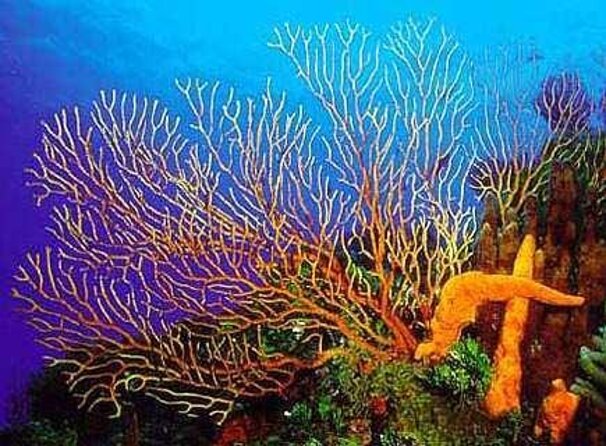
- UNESCO-protected Cozumel reefs: Cozumel’s protected marine zones date to 2016 and are famous for wall-style routes and reef structure.
- Two sites, two tanks: You’re not stuck in one area all morning; you’ll hit Palancar Reef and another reef location.
- Lunch and deck time: You’ll get a midday break on the boat, including lunch between sessions.
- Boat capacity and group size: A large boat can handle up to 16 participants comfortably, while the experience caps at 15.
- Extra costs for gear and transport: Tanks/weights are covered, but equipment rental and public transport come as add-ons.
- Your safety starts with your briefing: Some people had missed or late explanations—so ask for clarity before you enter the water.
Cozumel Two-Tank Day: what the ~5 hours are really like
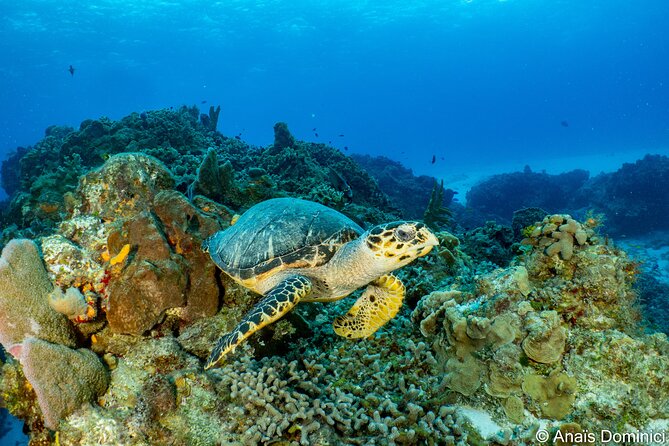
This is a structured, full-morning kind of outing. You start at 7:00 am and aim to be back at the meeting point within about 5 hours, which means you’ll spend most of that time on the water, not waiting around.
The plan is simple: you’ll do two separate tank sessions from boats on two different Cozumel sites. Between those sessions, you get a proper break with lunch, plus time to cool off, regroup, and go over what’s next.
Because the day is time-optimized, I recommend you show up ready. If you arrive late, you’ll feel it immediately—there’s no slack time built into a two-tank schedule.
Ferry crossing and the big-boat setup that helps the day run on time
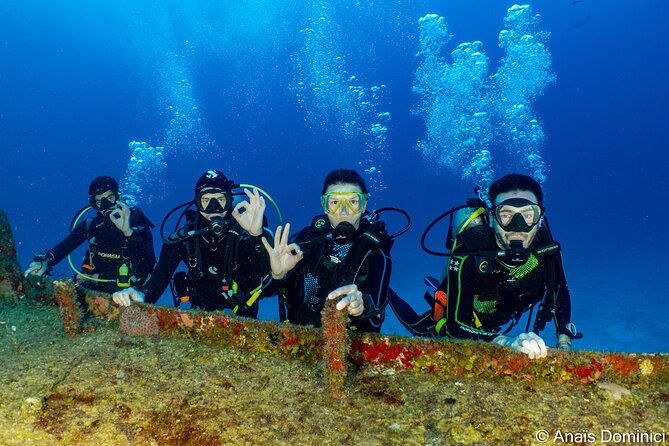
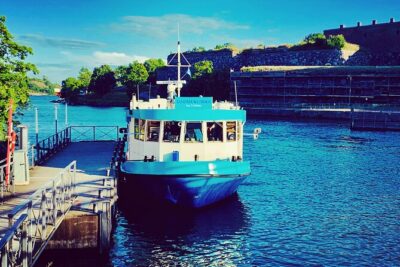
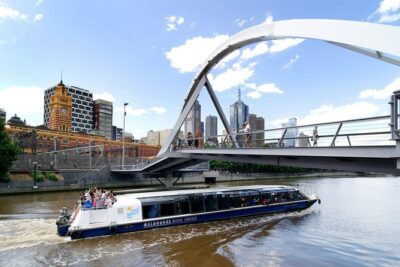
This experience is set up by ferry, so you should expect a water-based transit leg as part of reaching Cozumel’s dive areas. The big win here is that the staff can move groups efficiently, and the boat day keeps the whole operation contained.
The boat is designed for volume: it can accommodate around 16 participants, and the experience itself caps at 15 travelers. That usually translates into smoother spacing, less crowding on deck, and fewer bottlenecks when it’s time to suit up.
On top of that, you get options for how you wait. You can listen to the briefing on the sundeck, or just take a sun break while the crew handles the routine parts. If you’re someone who likes to stay calm and organized, this format works well.
Palancar Reef: why it’s the name on everyone’s radar
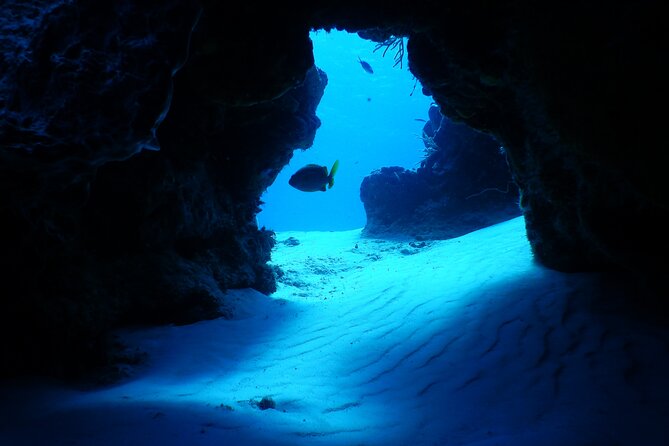
The first site is Palancar Reef, and that matters. Palancar is one of those Cozumel areas people chase because the reef structure can be dramatic, with lots of coral formations and a strong chance at classic reef animals.
Cozumel’s marine protection status is part of the appeal too. The island is recognized as a protected natural reserve and has been under UNESCO protection since 2016. In plain terms: the reef has had help staying reef-like, and that usually makes for a better underwater experience than places that get hammered by unchecked disturbance.
At this first stop, I’d expect the day to be “big-picture” focused. You’re there early in the schedule, which is when conditions tend to feel best and you’re still fresh after the morning transit.
Your second site: how to think about the “unknown” without stress
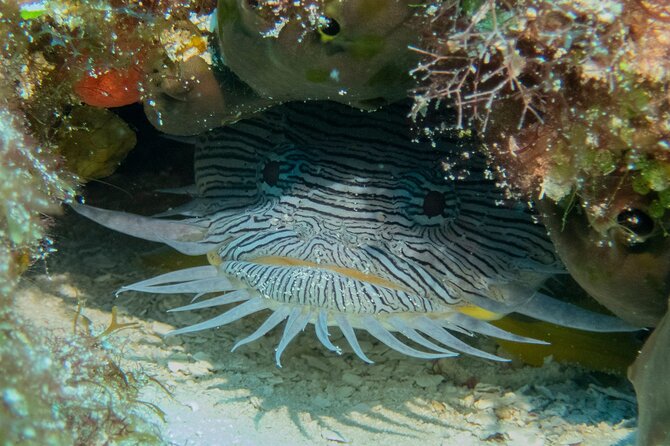
The program promises two different Cozumel sites, but only the first stop is explicitly named (Palancar). That means the second location can depend on conditions—weather, currents, and how the crew plans spacing for the day.
Here’s how to use that to your advantage. Go in with a reef mindset: think coral formations, reef fish, and the chance of larger animals that Cozumel is known for, rather than expecting the exact same scenery pattern twice.
Also, because the second site is usually where you judge the overall day, pay attention to the briefing quality before you enter the water. If your guide explains what you’ll see and how to navigate the route, you’ll enjoy the second tank more even if it looks different from the first.
Marine life you can plan around (not just hope for)
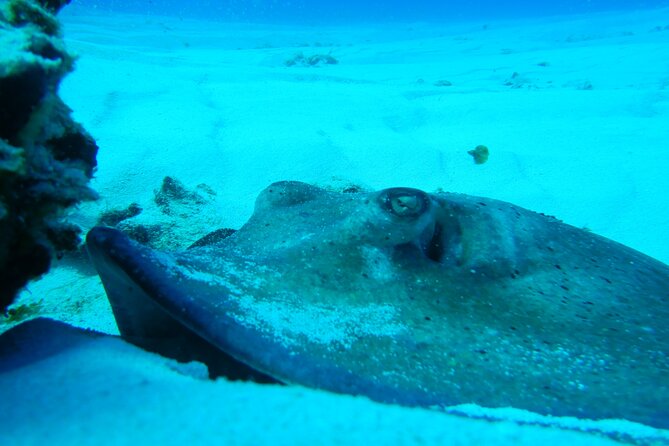
Cozumel is famous for variety, and the program specifically calls out sightings like nurse sharks, eagle rays, and black tip sharks. You can also factor in turtles, which show up repeatedly in people’s accounts of this kind of reef day.
From real-world guide experiences with this operator, you may also run into surprises. One person’s outing included a session centered on bull sharks, and another mentioned a manta ray and multiple turtles. These aren’t guarantees, but they’re realistic “this can happen here” signals.
If you want to get the most out of your limited time, don’t race. Ask your instructor what the animal chances are that day and where they like to look first. Then slow down and watch behavior—rays and sharks often show up when you’re calm and patient, not when you’re sprinting across the route.
Briefings, safety, and gear: make the day feel professional
The experience includes a professional, multilingual certified scuba instructor and covers tanks and weights. That’s the foundation you want: correct gear setup, proper supervision, and a plan for your route.
Still, pay attention to one repeated theme: clarity and timing of information. Some people reported that earlier in the day their group didn’t receive a clear briefing, and that they ended up with an outsourced guide rather than someone they expected. Later, when a proper briefing happened, they felt much safer.
So here’s what I’d do before each tank session:
- Arrive early enough to hear the deck briefing.
- If your group hasn’t been oriented, ask direct questions about the route, depth expectations, and where to focus.
- Double-check your equipment and buoyancy basics before you’re asked to move as a group.
On the positive side, many people also described guides who were calm, skilled, and willing to match pace. Names that came up include Katy, Jeff, Miguel, Cesar, Al, Itzel, Louise, and José. You may not get the same guide each time, but you can use those examples to know what “good” looks like with this operator—clear instruction, good humor, and organized supervision.
Price and extras: what’s included vs what will cost more
This is one of those tours where the headline price can feel different once you add the items that aren’t included.
Included:
- Two boat tank sessions on different Cozumel sites
- Dive tanks and weights
- Professional certified instructor
- Bottled water and fruit on the boat
- Lunch between the two water times
Not included:
- Public transportation: $55.00 per person
- Use of scuba equipment: $20.00 per person
Value-wise, the big win is that tanks and weights are covered, because those are the parts you’d otherwise have to rent on top of everything else. Equipment rental is still extra, so if you don’t travel with your own gear, budget for the $20 add-on.
For transport, the $55 line item is the one that can surprise people. If you’re already in the area and planning to move independently, ask before you commit what that fee actually covers for your pickup route and crossing day plan. It’s also smart to confirm pickup timing if pickup is advertised where you stay, because one person had a transportation miss and had to taxi onward.
Who this suits best (and who should rethink)
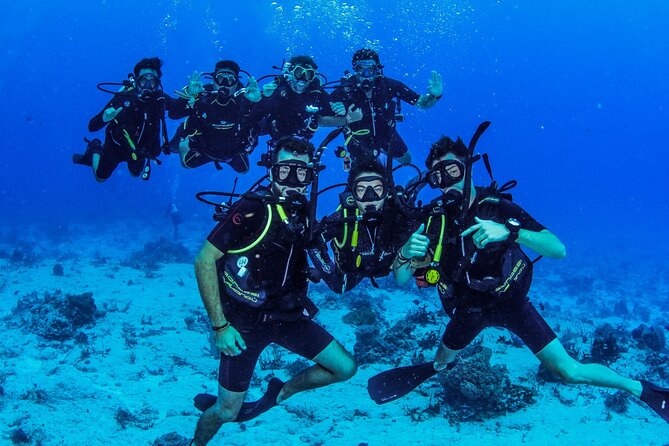
This outing is built for people who already have scuba training. You must be 10 or older and provide details of your Open Water certification. You’ll also need to complete a medical questionnaire upon arrival and sign liability waivers.
It’s a great fit if you want:
- A small-group reef day (the experience caps at 15)
- Two different sites in one morning
- Instruction in English
- A schedule that doesn’t eat your whole day
If you’re very new to scuba, the requirement to self-certify health and show Open Water details is a signal to check whether you’re truly ready for a two-tank plan. Also, because you need to wait at least 18 hours after your last tank session before flying, you’ll want to protect your travel schedule.
Should you book FunDiving in Cozumel?
Book this if you want a well-paced Cozumel reef day with two tanks, lunch, and a boat-and-staff setup that keeps things moving. It’s especially good value when you’re bringing your own equipment or you’re comfortable renting gear for the extra cost.
Consider shopping around or going in with extra patience if briefing and communication style are deal-breakers for you. With any two-tank schedule, you’ll feel the difference when staff explain the plan clearly before each water time, so arrive early and ask for the details you need.
If you’re flexible, pay attention to safety cues, and want a classic Cozumel reef morning (Palancar Reef as the anchor), this is a strong choice.
FAQ
How long is the Cozumel 2-tank experience?
It’s approximately 5 hours.
What time does it start?
Start time is 7:00 am.
Where is the meeting point?
The meeting point listed is Dune Mexico Cozumel, Costera Sur Km 2.85 Zona Hotelera sur Cozumel Q.Roo CP 77600, Colonia Centro, 77600 Cozumel, Q.R., Mexico.
Is instruction offered in English?
Yes. The experience is offered in English.
What’s included in the price?
You get two boat tank sessions on different Cozumel sites, tanks and weights, a certified scuba instructor, and bottled water and fruits on the boat. Lunch between the two sessions is also included.
What extra costs should I expect?
You may need to budget $55 per person for public transportation and $20 per person for the use of scuba equipment.
Do I need Open Water certification?
Yes. You must be able to provide details of your Open Water certification.
Are there rules about flying after the activity?
Yes. You should wait a minimum of 18 hours after your last tank session before flying on a plane.
Is cancellation free?
Cancellation is free. You can cancel up to 24 hours in advance for a full refund, and if it’s canceled due to poor weather you’ll be offered a different date or a full refund.