REVIEW · CAPE TOWN
Cape Town: Robben Island ferry ticket with guided tour
Book on GetYourGuide →Operated by Nyasha Travels & Tours · Bookable on GetYourGuide
Robben Island has a way of making history feel close. This 4-hour guided ferry tour takes you from the V&A Waterfront to the prison where Nelson Mandela was held, with stories delivered by a former inmate. You’ll also get classic Cape Town views along the way—Table Mountain included on the return.
What I like most is the former-prisoner perspective. It turns the places you visit from “sights” into lived experiences. I also like the way the tour builds toward Mandela’s prison cell, so the final stop lands with real weight instead of being just one more photo moment.
One drawback to keep in mind: the pacing can feel tight. Some groups experience a rush on the island and on the transport around it, and on at least one occasion an early departure got cancelled and required rescheduling.
In This Review
- Key things to know before you go
- Where you’ll start: V&A Waterfront to the Nelson Mandela Gateway
- The ferry ride: 30 minutes across with real Cape Town views
- Former political prisoner guidance: how the tour feels on the inside
- Leprosy graveyard, Lime Quarry, Sobukwe’s house: what each stop adds
- Leprosy graveyard
- Lime Quarry
- Robert Sobukwe’s house
- The maximum security prison: where the story turns severe
- The peak moment: Nelson Mandela’s prison cell
- Timing and pacing: a 4-hour day that can feel fast
- Price ($74) and whether it’s good value for Robben Island
- What’s included, what’s not, and what to plan for
- What to bring: passport/ID, a jacket, and comfortable layers
- Who should book this Robben Island guided ferry tour
- Should you book it? My honest recommendation
- FAQ
- How long is the Robben Island guided ferry tour?
- Where does the tour start in Cape Town?
- What’s included in the price?
- Is food or lunch included?
- What language is the tour guide speaking?
- Is the tour wheelchair accessible?
- What do I need to bring?
- Is this tour suitable if I get seasick?
- What sites are visited besides Mandela’s cell?
- Can I cancel or change plans?
Key things to know before you go
- Ex-prisoner storytelling: You hear firsthand accounts of life under Apartheid, not just a lecture.
- Mandela’s cell visit: The tour peaks at Nelson Mandela’s former prison room.
- Iconic stops on the island: You’ll see key sites like the leprosy graveyard, Lime Quarry, and Robert Sobukwe’s house.
- Ferry ride with Cape Town views: Expect a scenic 30-minute crossing out and back, with views of the city and Table Mountain.
- Plan for minimal sea comfort: If you’re prone to seasickness, this trip may be tough.
Where you’ll start: V&A Waterfront to the Nelson Mandela Gateway
This tour starts at the V&A Waterfront, right by the Clocktower area, at the Nelson Mandela Gateway to Robben Island. If you’ve never worked your way through the Waterfront before, give yourself a little extra time. It’s easy to think you’re early when you’re actually still navigating foot traffic, shops, and signage.
The location is also convenient in a practical way. You’re already in the part of Cape Town most visitors want to be anyway—so you’re not spending your day crossing the city before you even reach the ferry. And once you’re at the gateway, the day’s flow is straightforward: ferry out, guided island experience, ferry back.
The ferry ride: 30 minutes across with real Cape Town views
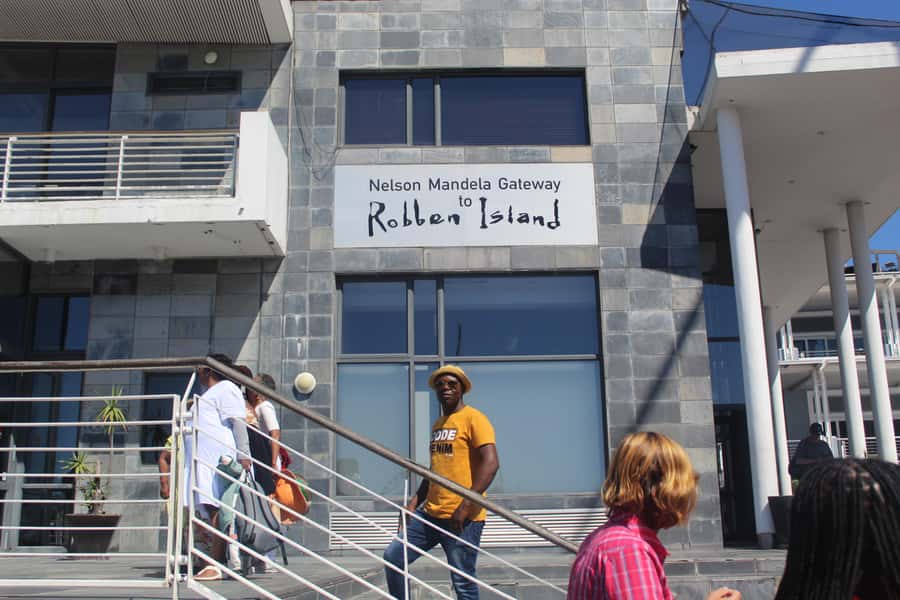
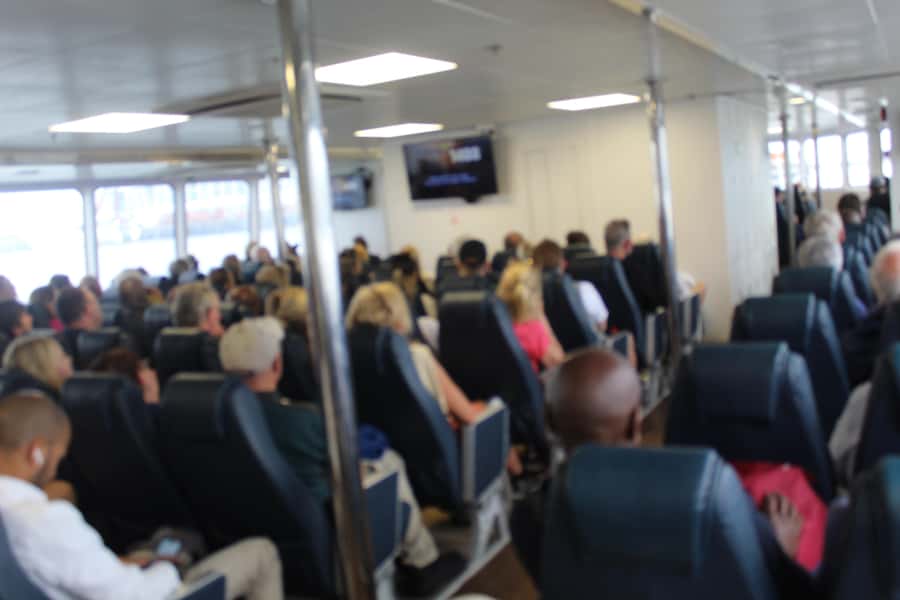
The crossing is about 30 minutes, and it’s not just transport—it’s part of the experience. You’ll get open views of Cape Town from the water, and it sets the mood. When you’re heading toward Robben Island, you can look back and see the city’s shape, the coast, and the mountains that frame everything.
That matters because Robben Island isn’t isolated in a vacuum. It sits in the geography of Cape Town. Seeing the mainland approach again at the end helps the day feel complete, not like you vanished into a day-trip blur.
Practical note: the tour is not suitable for people prone to seasickness. If you know you get motion sick on boats, take that seriously. Bring what helps you on ferries (like motion-sickness meds you already trust), and consider whether you’re comfortable with a 30-minute ride when the sea is choppy.
Former political prisoner guidance: how the tour feels on the inside
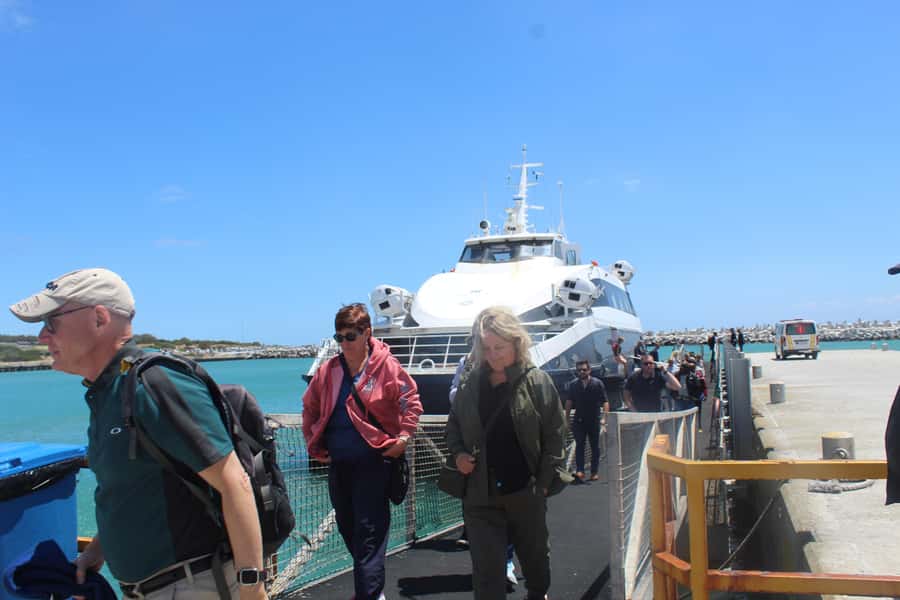
Once you arrive, the most powerful element is the guide’s perspective. This experience centers on a former political prisoner sharing the island’s story and explaining what life was like during Apartheid.
I like this format because it keeps the history grounded in human scale. Instead of memorizing dates, you’re hearing what detention did day-to-day, how people were treated, and what the place meant to the prisoners. It’s also why the guide isn’t just “a docent.” It’s more like a living witness leading you through the physical reality of the site.
The guide’s role also changes how you move. You don’t just follow a script. You listen for meaning: where the prisoners worked, where they were held, and what certain locations represented beyond their function. Even if some parts feel emotionally heavy, that’s also the point—the prison is the message.
Leprosy graveyard, Lime Quarry, Sobukwe’s house: what each stop adds
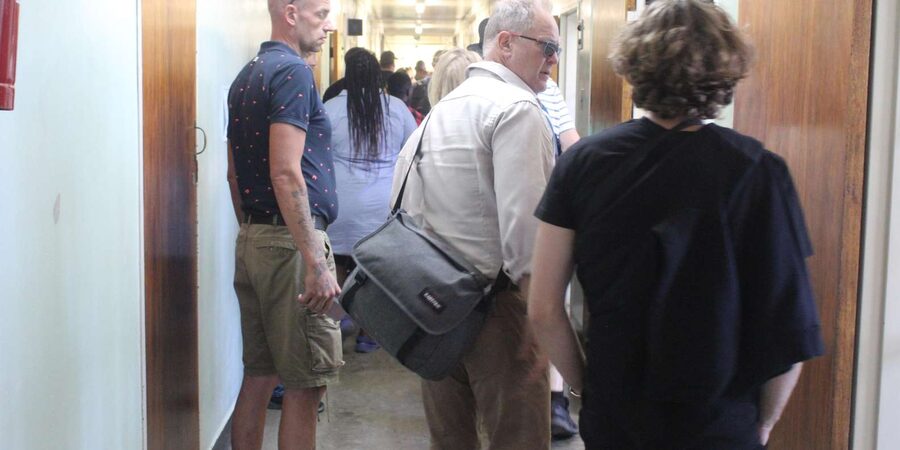
The tour includes several key locations on the island before you reach Mandela’s cell. Each stop gives you a different piece of the puzzle, and together they show how the apartheid system used different kinds of spaces—medical, labor, and incarceration—to control and separate people.
Leprosy graveyard
This stop helps you see that the island’s role wasn’t only imprisonment. It connects to the darker history of how illness and stigma were treated in the same geographic space used for punishment and confinement. You’ll get context for why this location appears in the broader Robben Island narrative, and it gives you a shift in tone from prison-yard logistics to the human cost of marginalization.
Lime Quarry
Lime Quarry is the kind of place that teaches you through structure. You’re in a space tied to forced work and the machinery of oppression. Even without getting technical, the physical setting helps explain the intent: work as discipline, labor as punishment, and time as a tool used against people.
Robert Sobukwe’s house
Including Robert Sobukwe’s house is a reminder that Robben Island history extends beyond one famous name. You’re seeing another part of the political imprisonment story—less as a detour and more as a broader map of who was affected and how the state targeted anti-apartheid leaders.
If you’re the type who likes to understand the “who” as much as the “what,” these stops make the day feel less like a single stop checklist and more like a connected story.
The maximum security prison: where the story turns severe
Then you reach the maximum security prison. This is where the experience starts to feel more immediately like incarceration rather than explanation.
I like this staging. You don’t go straight to the most famous cell and stop there. Instead, you build up to it. By the time you’re in the maximum security prison area, you’ve already learned what the island used its spaces for—work, separation, confinement—and now you see the system at its strictest level.
This part is also where a guided narration matters most. The buildings and pathways can look similar from a distance. A good guide helps you understand what mattered: why the layout existed, what it controlled, and what daily life would have felt like for people inside.
The peak moment: Nelson Mandela’s prison cell
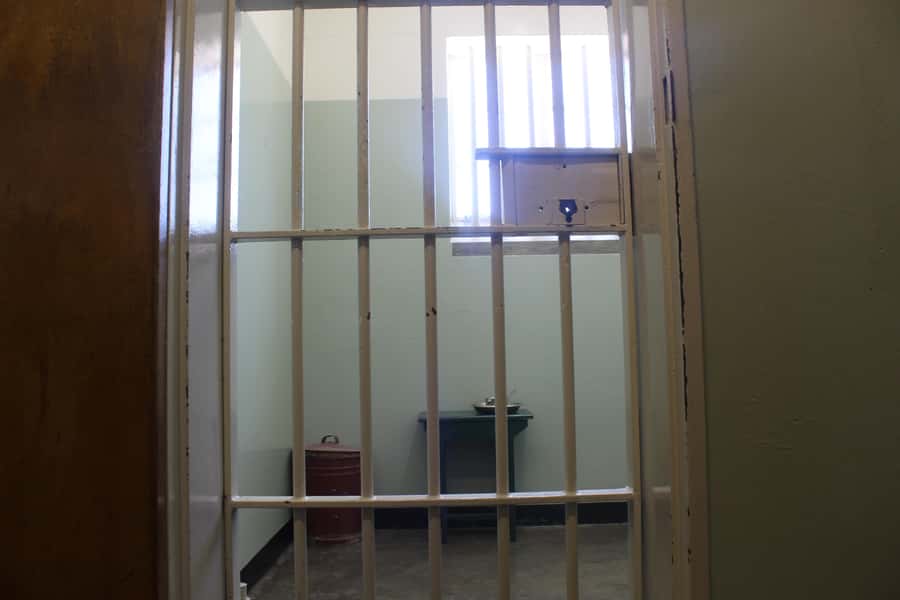
The tour reaches its peak with a stop at Nelson Mandela’s prison cell. This is the moment most people are coming for, but it works better when you treat it as a final act, not the first chapter.
In that cell, the story lands with more emotional force because you’ve already heard the broader context of imprisonment and political punishment on the island. The cell is where Mandela’s legacy becomes physical—small, specific, and sobering.
If you’re traveling with someone who needs a bit of time to process heavy places, this is the stop where you should slow down rather than rushing to take photos. Let the meaning sit. Even if you think you already know Mandela’s story, the room itself helps you feel the reality that words sometimes flatten.
Timing and pacing: a 4-hour day that can feel fast
The total duration is 4 hours, and with a ferry crossing plus island stops, you’ll feel the schedule. The biggest thing to watch is the tempo of the day.
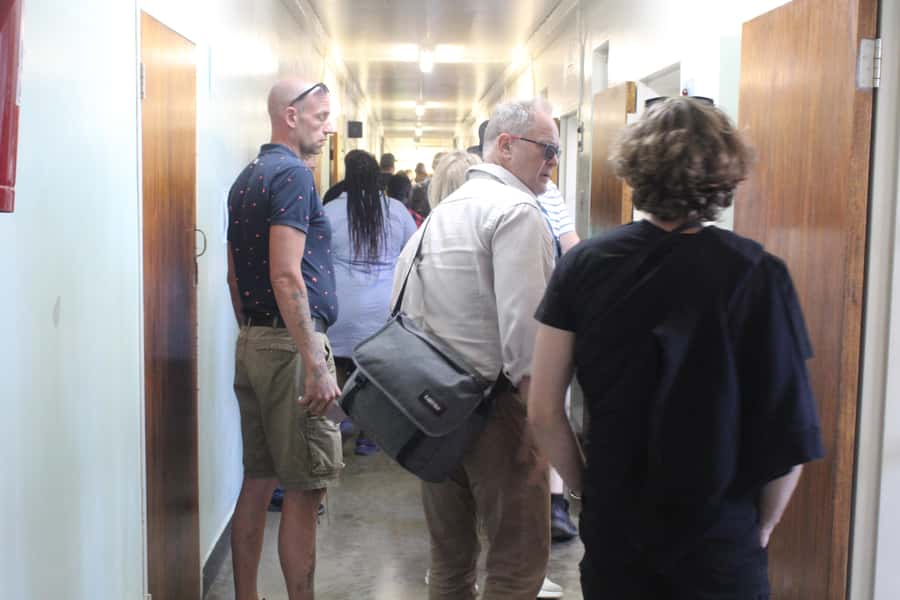
In some cases, the tour can feel rushed—especially for groups moving between points on the island and from vehicle to vehicle. It can also feel crowded in transit around the island, which affects how much you can see and how easily you can take in details.
My advice: if you’re the kind of traveler who likes to linger at each stop, plan to go with the flow. Keep your expectations realistic for a timed experience. You’ll get the key locations, but you won’t have a leisurely, stop-anywhere pace.
If you’re sensitive to crowding, try to arrive early at the meeting point so you’re positioned well from the start. It can make the whole day less stressful even if the itinerary keeps its momentum.
Price ($74) and whether it’s good value for Robben Island
At about $74 per person, this is not the cheapest thing you can do in Cape Town—but it’s also not overpriced for what you’re getting. The big value driver here is the combination of:
- a ferry ticket,
- a live guide,
- and a structured tour that takes you into prison areas and key sites.
Also, this isn’t a generic bus tour. The guide-led storytelling by a former political prisoner is the product you’re paying for. That type of firsthand narration is difficult to replicate with audio guides or self-paced visits, and it’s exactly what makes Robben Island more than a landmark.
Where you should be honest with yourself: if you strongly prefer slow travel, lots of independent time, and lots of photos at your own pace, this format may feel a bit compressed. In that case, you might weigh whether you’re paying for the right experience. If you want the full, guided Robben Island arc in one half-day, $74 can feel fair.
What’s included, what’s not, and what to plan for
Included in the tour:
- Live guide
- Ferry ticket to Robben Island
- Island and prison tour
Not included:
- Hotel pickup & drop-off
- Food and lunch
That matters for planning. You’ll need to handle your own transport to the V&A Waterfront and back to your hotel. If you’re staying nearby, that’s easy. If you’re farther out, add buffer time for traffic and walking.
For food, you’ll want a simple strategy: eat before you go. Since it’s a 4-hour block with no lunch included, you don’t want hunger to steal attention from the very reason you’re there.
What to bring: passport/ID, a jacket, and comfortable layers
The tour requires you to bring a passport or ID card. Don’t show up with a digital photo and hope for the best—bring the real document.
Bring a jacket and wear comfortable clothes. Even in pleasant weather, the ferry ride can feel cooler with wind, and island time tends to reward practical footwear and layers.
If you tend to get anxious on boats, this is also the time to set yourself up. The trip is not suitable for people prone to seasickness, so be honest about your tolerance.
Who should book this Robben Island guided ferry tour
This tour fits best if you want:
- a guided visit that explains what you’re seeing,
- firsthand prison storytelling from a former political prisoner,
- and a structured route to major Robben Island sites, ending with Mandela’s cell.
You’ll especially enjoy it if you’re coming to Cape Town for more than beaches and city views. The ferry ride is scenic, but the heart of the day is the human story tied to the prison.
Consider skipping or switching strategies if:
- you’re prone to seasickness,
- you dislike tight schedules,
- or you need long breaks and unstructured wandering.
Should you book it? My honest recommendation
Book this Robben Island ferry tour if you want the strongest version of the experience in one half-day: ferry out, guided prison narrative, key island stops, and a meaningful visit to Mandela’s cell. The price makes more sense when you treat the live guide—especially the firsthand ex-prisoner angle—as the main attraction.
Pass on it (or adjust your plans) if sea conditions and crowds will stress you out, or if you need a slower pace that lets you linger at every point without feeling rushed.
If you’re okay with a structured 4 hours and you want the guided context, this is one of the most worthwhile ways to understand apartheid’s prison story from inside the place itself.
FAQ
How long is the Robben Island guided ferry tour?
The duration is 4 hours.
Where does the tour start in Cape Town?
Meet at the V&A Waterfront, next to the Clocktower, at the Nelson Mandela Gateway to Robben Island.
What’s included in the price?
It includes a live guide, a ferry ticket to Robben Island, and a tour of the island and prison.
Is food or lunch included?
No. Food and lunch are not included.
What language is the tour guide speaking?
The live guide provides the tour in English.
Is the tour wheelchair accessible?
Yes, it is wheelchair accessible.
What do I need to bring?
Bring a passport or ID card, a jacket, and comfortable clothes.
Is this tour suitable if I get seasick?
No. It is not suitable for people prone to seasickness.
What sites are visited besides Mandela’s cell?
You’ll visit locations such as the leprosy graveyard, Lime Quarry, Robert Sobukwe’s house, and the maximum security prison.
Can I cancel or change plans?
Free cancellation is available up to 24 hours in advance for a full refund. You can also reserve and pay later.