REVIEW · LONDON
London to Dublin by Ferry and Rail
Book on Viator →Operated by Railtours Ireland First Class · Bookable on Viator
Skipping airports is the best kind of stress relief. This London to Dublin trip pairs a rail ride through England and Wales with the Irish Ferries Ulysses crossing, then hands you the keys to Dublin for a couple of easy days. I like how the day-by-day plan keeps you moving without feeling rushed, and you get a straightforward city orientation once you arrive.
Two things I particularly like: the combo of train + ferry feels like part sightseeing (not just transport), and the 48-hour hop-on hop-off bus makes it easy to pick what you care about—no timed tickets or forced pacing. The only real consideration is that the travel day is long, and some departures can be crowded, including reports of seat assignments not always going exactly to plan.
In This Review
- Key Highlights Worth Your Attention
- Why London to Dublin by Train and Ferry Makes Sense
- Day 1 at Euston: From Reserved Seats to Holyhead
- What to plan for on Day 1
- The Irish Sea Ferry Part: Ulysses Is More Than a Means of Transport
- Dublin Days 2–3: Explore on Your Terms With a 48-Hour Hop-On Hop-Off Bus
- A useful way to use the bus pass
- The one drawback to consider
- Day 4 Return: Early Ferry, Connections, and Back to Euston
- Hotel in Dublin: Central Convenience With Room-Type Caveats
- What I recommend before you book
- How Much Is This Really Worth?
- Small Group Size: Why Max 25 Matters
- Who Should Book This London-to-Dublin Ferry and Rail Trip
- Quick Planning Tips That Make This Trip Feel Easier
- Should You Book This One?
- FAQ
- What time do I leave London?
- How do I travel from Holyhead to Dublin?
- Where is my Dublin hotel, and what’s included?
- What do I do in Dublin on the free days?
- Is food included during the trip?
- How many people are in the group?
- What are the return travel times to London?
- What’s the cancellation cutoff for a refund?
Key Highlights Worth Your Attention
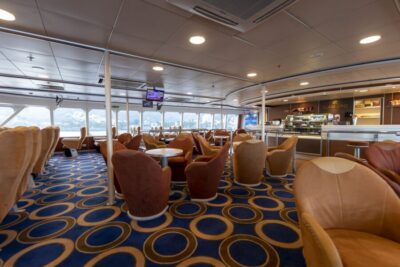
- Irish Ferries Ulysses crossing from Holyhead to Dublin with onboard dining, bars, and a cinema
- Reserved-seat help at Euston, with staff escorting you to your seats for the train portion
- 48-hour hop-on hop-off bus with live and multilingual commentary from Fáilte Ireland approved drivers
- 3 nights in a Dublin city-center 3/4 hotel plus breakfast each morning (3)
- Small group size (max 25), which usually keeps logistics smoother
Why London to Dublin by Train and Ferry Makes Sense
If you’re the kind of traveler who dislikes airport chaos, this route is built for you. You leave from London Euston, travel by rail to Holyhead, then roll right onto the ferry. That means less security theater, fewer transfer hassles, and more time actually looking out a window.
You also get a travel day that’s more than just sitting. The rail leg moves you through England and along the North Wales coast, then the ferry leg gives you that proper Irish Sea experience—promenade deck time, plus places to eat and relax onboard. It’s a very “slow travel by default” setup, even though you’re still moving fast enough to enjoy Dublin.
One more practical win: once you’re in Dublin, you’re not stuck figuring out intercity transport. You’re met on arrival and transferred to your hotel in the city centre, and then you can explore at your own pace.
Day 1 at Euston: From Reserved Seats to Holyhead
Your day starts at Euston Road, London NW1 2RT, with check-in support at the Network Rail Mobility Assistance Reception. The departure is 09:02, and you’re met by your Railtours Ireland host and escorted into reserved seats.
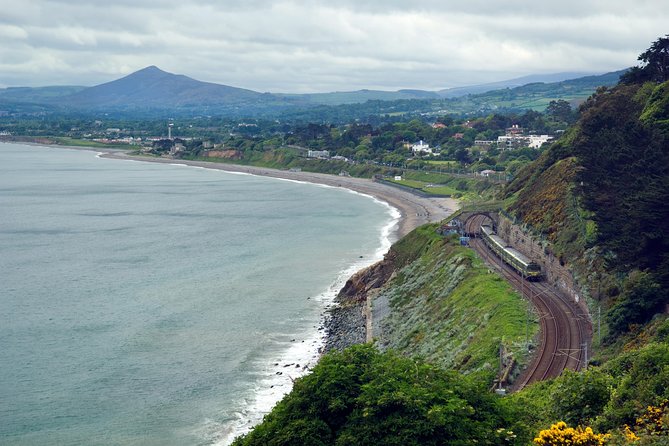
The train ride to Holyhead takes about 3 hours 40 minutes, and it includes a snack car/bar option. Even if you’re not a train nerd, I think this leg is worth it because it breaks the trip into something you can actually experience. You’ll pass through the heart of England and along the North Wales coast, and that shift from land to sea is part of the charm.
Then comes a simple transition: Holyhead station is also the ferry terminal, so you take a short bus transfer to the berth and then walk onto the ferry—Irish Ferries’ Ulysses. The voyage is about 3 hours 15 minutes, with restaurants and bars, a two-screen cinema, and a traditional promenade deck. If you tend to get restless on long rides, the deck is a good place to reset your brain.
You arrive in Dublin at 17:25, and that matters. It’s late enough that you’ll likely be doing an easy first evening, but not so late that you lose your whole day. From there you’re welcomed by your host and taken to your Dublin city-center hotel for 3 nights.
What to plan for on Day 1
- Bring something for the ferry and train (food and drinks aren’t included beyond what’s available onboard).
- If you get motion sensitivity, consider bringing your usual remedy. The ride is only a few hours, but it’s still open water.
- Wear shoes you can walk in for the ferry boarding and any station movement.
The Irish Sea Ferry Part: Ulysses Is More Than a Means of Transport

This is the section of the trip that most people talk about, because it actually feels like an event. The Ulysses crossing includes onboard places to sit, eat, and pass time, so you don’t feel trapped in transit mode.
The promenade deck is the big one. Even if the weather is changeable (it is Ireland-adjacent, after all), you’re likely to enjoy the sea air and the constant motion. And when you want a break from fresh air, the onboard dining options and bar area can do the job.
There’s also a two-screen cinema, which is a nice option if you’re traveling with time on your hands and want something low-effort. It’s especially useful after a morning train ride when you’re ready to decompress.
One small reality check: the ferry portion is relaxing when you can find a place to settle. If you’re picky about seating or you’re traveling during busier sailings, keep your expectations flexible. The whole point is to enjoy the journey, not to treat it like a flight seat map.
Dublin Days 2–3: Explore on Your Terms With a 48-Hour Hop-On Hop-Off Bus
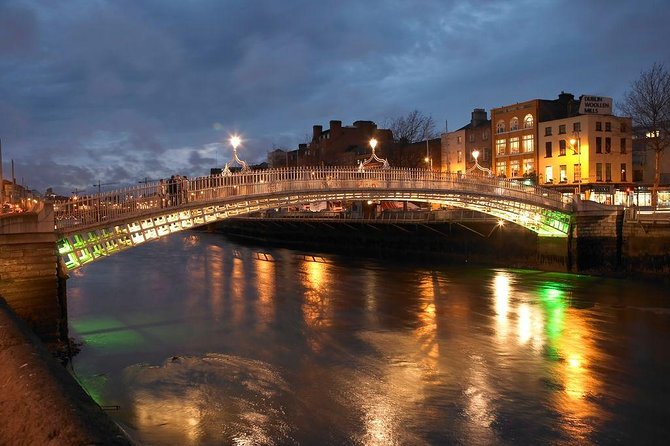
Once you’re in Dublin, the trip shifts gears from transport to freedom. You get a 48-hour hop-on hop-off bus ticket, with both live and multilingual commentary. Drivers are Fáilte Ireland approved, which means they’re trained to tell stories and share information, not just drive the route.
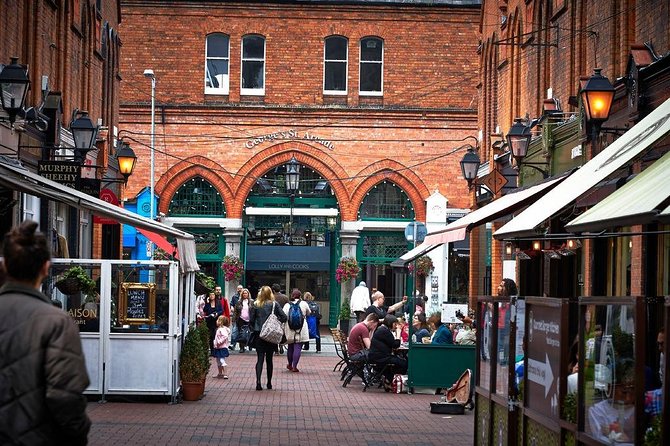
Here’s why this is a strong choice for a short stay: a hop-on hop-off pass gives you a practical “overview layer” for the city. You can ride the whole loop, get your bearings fast, then hop off where it fits your mood—historic bits, pub culture, major landmarks, or neighborhoods you want to walk through.
These two days are intentionally flexible. You don’t have a forced itinerary, so you can:
- aim for the biggest sights on day one (before you get tired),
- then slow down for shopping, museums, or a longer wander on day two,
- or shift plans if the weather behaves better on a specific afternoon.
A useful way to use the bus pass
I’d treat the first pass as a reconnaissance lap. Then use day two for the stops you actually care about. You’ll waste less time and avoid that feeling of hopping on and off just because the ticket is there.
The one drawback to consider
Two full days of a hop-on bus pass can feel like a lot if you’re the type who prefers long walks and private tours. If you already know exactly what you want to see, you might spend more time on the bus than you’d like. Still, the ticket gives you a safety net: if you’re tired or it’s raining, you can keep exploring without stress.
Day 4 Return: Early Ferry, Connections, and Back to Euston
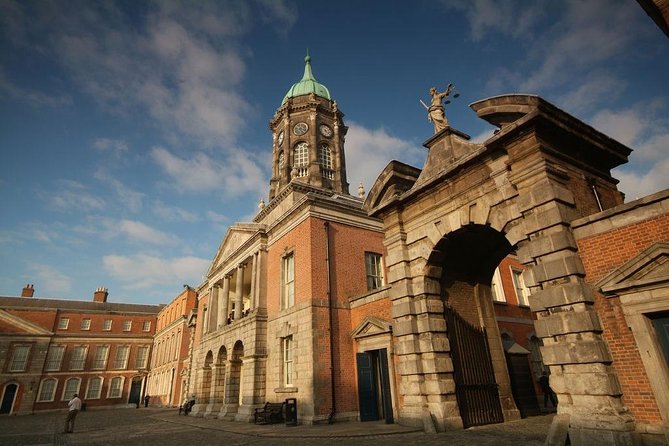
On your final day, you’re transferred to Dublin ferry port, and you leave Dublin by cruise ferry Ulysses at 08:05. Return times vary slightly by day, because the rail connections in the UK differ.
- Monday–Friday: arrive Holyhead 11:30, change in Crewe, then depart 12:53 and arrive back at London Euston around 17:00.
- Saturday: arrive Holyhead 11:30, change in Chester, depart 14:35, arrive Euston around 16:37.
- Sunday: arrive Holyhead 11:30, depart 12:50, and arrive back at London Euston around 16:40.
This is a solid schedule for a short trip, but you should plan for an early morning. If you like sleeping in, this part will feel like a wake-up punch. On the other hand, the timing gives you a predictable return to London without forcing an entire extra day of travel.
If you want to make the morning easier on yourself, pack a small day bag the night before: water, a snack, a layer for the ferry deck, and any essentials for station transfers.
Hotel in Dublin: Central Convenience With Room-Type Caveats
You get 3 nights at a 3/4 standard hotel in Dublin, with breakfast included (3 mornings). The best thing about that setup is simple: you’re not starting each day from the outer edges of the city. You’re in a place where you can walk to things, or at least reach sights quickly.
Guests have praised the hotel’s location and the overall friendliness of staff, with the Ashling Hotel specifically called out in feedback. So if you see that name, it’s a good sign.
Still, I want you to know the potential trade-offs. Some rooms have been described as being in an extension over a pub, with access involving extra steps (elevator to a floor, then stairs up/down with luggage). Others noted issues like limited air conditioning and noise concerns tied to the surrounding area.
What I recommend before you book
- If you’re sensitive to heat, ask about air conditioning options or cooling methods.
- If stairs with luggage are a concern, ask what room location looks like in the building layout.
- If you’re a light sleeper, consider noise when choosing your room type.
How Much Is This Really Worth?
At $1,141.51 per person (for an approx. 4-day trip), this isn’t a budget getaway. But it does include some big-ticket pieces in one package: return rail + ferry, 3 nights hotel, and 3 breakfasts, plus the 48-hour hop-on hop-off bus tour in Dublin.
So the real value question is: does this pricing fit how you like to travel?
This works especially well if:
- you want to avoid flying and the associated airport stress,
- you’d rather pay for a smooth handoff between transport and lodging,
- you like the idea of traveling by train and ferry because you actually enjoy it.
If you’d rather DIY everything, you may be able to find cheaper options. But the convenience factor here is real. Someone handles the main connections and you’re met at key points, which is where time and stress usually leak out on trips like this.
Also, remember you’re buying a time-saving structure. Instead of planning rail timing, ferry timing, and separate hotel logistics, you get one flow that’s designed to move you between London, the sea crossing, and Dublin.
Small Group Size: Why Max 25 Matters
This trip caps at 25 travelers, which tends to keep the vibe more controlled. You’re not stuck with a massive crowd during transfers or at station checkpoints, and it usually makes it easier for hosts to spot you if something goes sideways.
It also fits the tone of the whole trip: calm, practical, and “here’s how to enjoy your days in Dublin” instead of a jam-packed lecture tour.
Who Should Book This London-to-Dublin Ferry and Rail Trip
This is a great fit if you:
- want an easy Dublin introduction without heavy planning,
- enjoy a train + ferry travel style,
- value staying in a central hotel with breakfast,
- prefer exploring at your own pace with a hop-on bus.
It might be less ideal if you:
- hate long travel days (Day 1 is full, and Day 4 starts early),
- need super-comfortable seating no matter what (some reports mention crowded trains and imperfect seat assignment handling),
- want a highly guided, deep-dive-style city program (this package is more freedom than lecture).
Quick Planning Tips That Make This Trip Feel Easier
- Plan your first Dublin afternoon as a “get oriented” session. Walk, grab a meal, and let the bus route do the heavy lifting.
- Use the hop-on pass to visit one or two anchor sights on the first day, then branch out.
- If you’re a fan of Irish food and iconic stops, build at least one must-do activity into your two Dublin days. Some people pair their bus days with major attractions like Guinness-related experiences.
- Keep expectations realistic for transit comfort. Bring a layer, because trains and ferries can vary.
Should You Book This One?
I’d book this trip if you want a low-drama route from London to Dublin and you genuinely like the idea of traveling by rail and ferry. It’s one of those setups where the journey is part of the payoff, not just an inconvenience.
Choose it when you want:
- a central Dublin base,
- breakfast included,
- a simple way to see the city fast with the 48-hour hop-on bus,
- and a transportation plan that helps you avoid airport hassles.
Skip it if your priority is maximum time in Dublin and minimal time in transit. The travel days are the price you pay for this style of route, and you’ll feel it on Day 1 and again on Day 4.
FAQ
What time do I leave London?
You start at 09:02 from London Euston, with check-in at the Network Rail Mobility Assistance Reception.
How do I travel from Holyhead to Dublin?
You take the Irish Ferries Ulysses from Holyhead to Dublin, with an onboard journey time of about 3 hours 15 minutes.
Where is my Dublin hotel, and what’s included?
Your stay is 3 nights in a 3/4 standard hotel in Dublin city centre, and breakfast is included for 3 mornings.
What do I do in Dublin on the free days?
You receive a 48-hour hop-on hop-off bus ticket, which includes live and multilingual commentary and lets you explore at your own pace.
Is food included during the trip?
No. Food and drinks aren’t included, unless specifically stated (onboard food and bars are available, but you’ll pay there).
How many people are in the group?
The group is limited to a maximum of 25 travelers.
What are the return travel times to London?
Ferry departure from Dublin is 08:05. You’ll arrive back at London Euston in the late afternoon, with routing changes depending on the day (via Crewe, Chester, or a direct connection from Holyhead).
What’s the cancellation cutoff for a refund?
You can cancel up to 6 days in advance for a full refund. Cancel 2–6 days before for a 50% refund, and less than 2 days before is not refundable.