REVIEW · ISTANBUL
Multi Cultural Istanbul: Galata Tower – Fener and Balat – Golden Horn by Ferry
Book on Viator →Operated by Tematique Tours · Bookable on Viator
Tower views, then sacred streets in one walk. This is a Galata Tower panorama plus an easy-to-moderate stroll through Fener and Balat that layers Genoese, Byzantine, and Ottoman threads into one fluid afternoon. I also liked how the stops mix big viewpoints with quiet spiritual places. One possible drawback: you’ll be on steep, uneven streets, so good shoes matter.
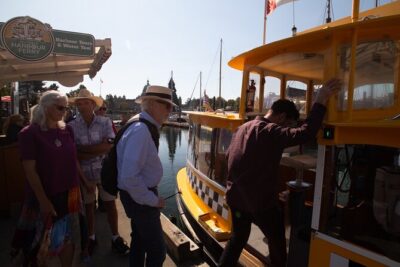
The guides make the difference here. In groups with professional leadership, people often mention guides by name—Erol, Ergil, and Gamze Aksin show up in the stories for their clear explanations and for answering questions without rushing you. I also like that transport is handled with ferry, tram, and bus, which keeps the day from turning into a transit puzzle.
Before you go, do a quick check on tickets. Galata Tower entry is included only if you pick the all-inclusive option; otherwise you’ll pay extra on your own. And there’s no hotel pickup, so you’ll want to show up at the meeting spot with enough time to get oriented.
In This Review
- Key highlights at a glance
- Why this Galata Tower to Fener and Balat route works
- Getting there: meeting point, timing, and what to bring
- Galata Tower up top: Genoese fortification with modern city payoff
- From tower stroll to Jewish cultural stop and art nouveau stairs
- Walking the Golden Horn connections: bridge symbolism and big water views
- Fener Rum Patrikhanesi: a short visit with major spiritual weight
- Fener and Balat streets: colors, steep steps, and layered community life
- Bulgarian Orthodox Church and Vlaherna: architecture you can feel
- Constantinople’s walls and the Roman-to-Ottoman timeline in plain sight
- Karaköy finish near Galata Bridge: trade district energy and an easy exit
- Price and value: is $79.39 a good deal?
- Who should book this tour (and who might skip it)
- Quick heads-up: transport changes can happen
- Should you book Multi Cultural Istanbul: Galata Tower – Fener and Balat?
- FAQ
- How long is the tour?
- Is Galata Tower entry included in the price?
- What’s the group size?
- Do you get transport included?
- Where does the tour start and end?
- Is hotel pickup provided?
- Is the tour stroller accessible?
- Can I cancel for a full refund?
- What language is the tour offered in?
Key highlights at a glance
- Galata Tower included (with all-inclusive): entry fees and donations are part of the package when that option is selected
- Small-group pace (max 8): easier questions, more time at viewpoints, less waiting around
- Golden Horn links: you’ll cross the water zone in multiple ways, ending near Karaköy Pier
- Fener’s Orthodox center: a short visit to the Ecumenical Patriarchate area gives perspective on Eastern Orthodoxy
- Photo-friendly architecture: Art nouveau stairs on the way to the tower are a quick visual win
- Churches with unusual materials: the Bulgarian Orthodox Church includes cast-iron details tied to a Vienna build
Why this Galata Tower to Fener and Balat route works
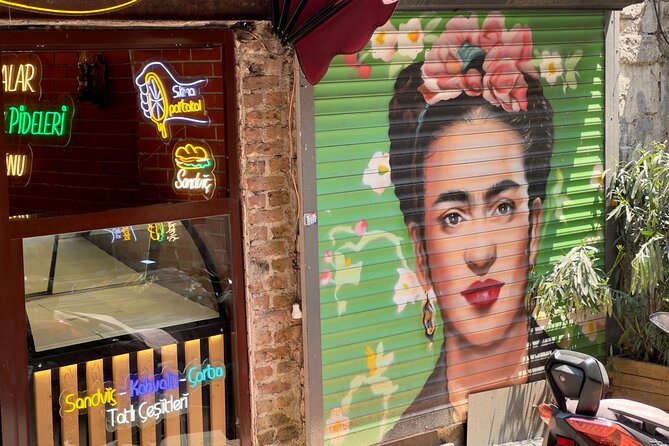
Istanbul can feel like three cities fighting for space: old walls and churches, grand Ottoman districts, and modern trade lines. This tour is designed to stitch those layers together in a short window, without sprinting between landmarks.
The big anchor is Galata Tower. It’s not just a tower. It’s a vantage point for understanding why this area mattered—fortification dating to 1348, built by Genoese Italians. From up top, you get a map in your head: the curve of the Golden Horn, the bridges, and how neighborhoods sit like chapters along the water.
Then the route walks you into places that aren’t museum-piece on/off switches. You move into Fener and Balat, with their colorful streets and a long record of many faiths living side by side over time. The churches here aren’t “just pretty.” They’re active places that help you understand why people historically clustered near religious institutions and community life.
Finally, the Golden Horn finish matters. The ferry-and-water connection gives you a breather after walking, and it helps you see the city as something built around water, not just roads.
Getting there: meeting point, timing, and what to bring
You start at Anemon Koleksiyon Galata Hotel in Beyoğlu (Bereketzade, Büyük Hendek Cd. No:5). The day ends at Karaköy Ferry Terminal near Galata Bridge, with the tour finishing by the pier area that links toward Kadıköy and Üsküdar.
There’s no hotel pickup. That’s normal for this style of city walk, but it’s one reason you should plan your route to the meeting point ahead of time. The good news is the meeting area is near public transportation.
What to bring is simple:
- comfortable walking shoes (you’ll deal with steep sections)
- water (you’ll be out for about 4 hours)
- a light layer (the Golden Horn can cool down)
Stroller access isn’t supported. If you’re traveling with someone who needs a smoother route, this can be a hard fit because of uneven walking and steep streets.
Galata Tower up top: Genoese fortification with modern city payoff
Your first real “wow” is Galata Tower. You’ll get about one hour at the tower, including the entry ticket when the all-inclusive option is selected. Even if you’re not a tower person, the value here is the way the view turns confusing blocks into a readable city.
From the top, focus on three things:
- the Golden Horn’s curve and how neighborhoods cling to it
- how bridges and transport corridors connect the old and newer sides
- how the Beyoğlu/Pera area sits as a historical European-quarter zone
This is where you start learning the “why” behind the places you’ll see next. The tower wasn’t built as a selfie stick. It was a fortification, and that history helps explain why the streets around it feel like they belong to a strategic, high-traffic zone.
From tower stroll to Jewish cultural stop and art nouveau stairs
After the view, you head into the smaller, more human-scale streets around Galata. One stop is the Museum of Turkish Jews, where you can see artifacts that trace Jewish history in Turkey. There’s also an art gallery and a synagogue, giving you context that’s broader than one building or one timeline. If you’ve been wondering how different communities shaped daily life in Istanbul, this stop helps answer that.
Along the way, you also hit an “I’m glad we stopped” photo moment: elegant 19th-century art nouveau stairs near the tower area. It’s not a long stop, but it breaks up the day nicely and gives you something different from churches and viewpoints.
This stretch also ties into the story of Beyoğlu, known historically as Pera, the so-called European Quarter. The area hosted embassies, trading centers, and those Parisian-style apartment houses from the 19th century. Even if you don’t read every façade, you’ll feel the shift in architecture and street rhythm.
Walking the Golden Horn connections: bridge symbolism and big water views
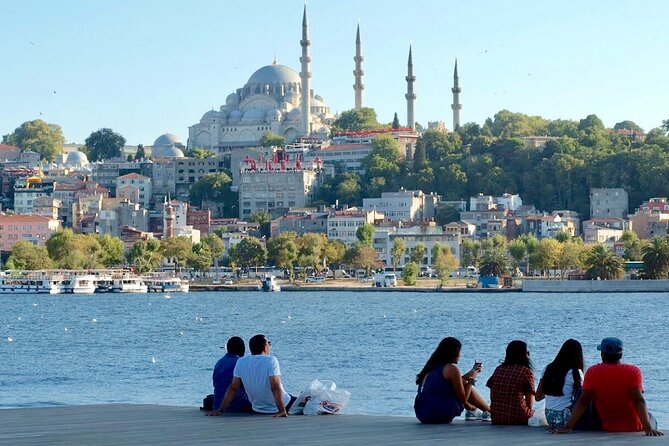
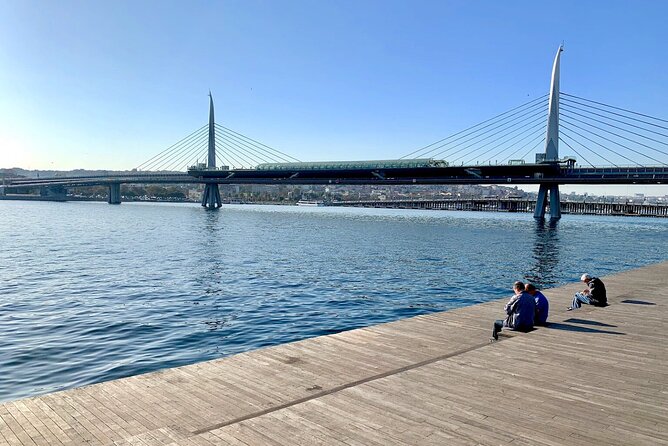
A highlight in the middle of the walk is the bascule bridge spanning the Golden Horn. It’s one of those places that’s both practical and symbolic: it shows how the Golden Horn isn’t just a scenic backdrop. It’s a living transport and boundary space between parts of Istanbul.
Then you get Halic (Golden Horn) views. The tour frames the inlet as a divider between older and newer sections, and the water really does act like a natural “organizing line” through the city. If you’re there around dawn or dusk, these views can look especially dramatic—but even in daylight, it’s a great moment to pause and reset your bearings.
This is also where the tour’s pace makes sense. You’re mixing vertical time (tower), cultural time (museum and streets), and then open-sky time (Golden Horn). It keeps the day from feeling like a checklist.
Fener Rum Patrikhanesi: a short visit with major spiritual weight
The tour moves into the Fener area and includes a visit to Fener Rum Patrikhanesi, also known as the Ecumenical Patriarchate. You’ll be there for about 15 minutes, with admission ticket free.
This isn’t a long visit, so treat it like a “get the context” stop. The Patriarchate is widely recognized as the spiritual center of Eastern Orthodox Christianity—often described as the Eastern Orthodox world’s counterpart to a major seat of authority. Even if you don’t follow the tradition closely, you’ll pick up a clearer sense of why Fener mattered historically and why the area draws visitors and pilgrims.
Because the stop is short, what you get most is understanding, not a deep, time-consuming tour. That’s a good match for this overall 4-hour format.
Fener and Balat streets: colors, steep steps, and layered community life
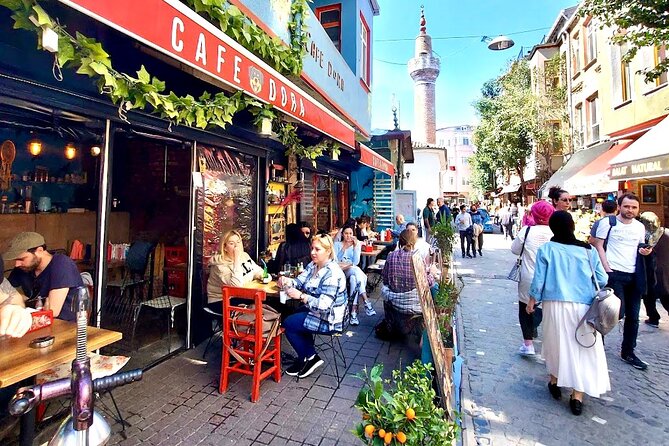
This is the part many people come for: the colorful streets of Fener and Balat. The tour keeps this to about one hour, with admission free. The neighborhoods of Ayvansaray, Balat, and Fener are described as a miniature chronicle of Byzantine, Ottoman, and modern times. That’s exactly what it feels like while walking: layers of architecture, different faith marks, and streets that never stop being lived-in.
Here’s where I give you honest advice. The walking includes steep sections, and Balat’s streets can be uneven. If you’re sensitive to slopes or have limited mobility, plan around that. But if you can handle some moderate walking, this is the most rewarding part of the day—because you’re not just looking at buildings. You’re moving through street texture and neighborhood scale.
Also, don’t rush. The best way to “read” Fener and Balat is to pause when something catches your eye: a façade, a small religious doorway, a courtyard wall. Your guide can connect what you see to the bigger historical storyline.
Bulgarian Orthodox Church and Vlaherna: architecture you can feel
Two church stops add emotional and architectural contrast.
First is the Bulgarian Orthodox Church. It’s described as neo-Gothic and white-painted, with an unusual construction story: it’s made from cast iron sections, built or cast in Vienna in 1896, then carted all the way to Istanbul. That detail matters because it turns the church from a static photo into a case study in industrial-era building and long-distance craftsmanship.
You’ll spend about 15 minutes here, with admission free.
Then there’s Vlaherna Meryem Ana Church (also free), with a short 10-minute stop. The tone is different. This one is framed as a very emotional and spiritual place. Even if you’re not sure what to look for, give yourself a couple of minutes of quiet attention. Think of it as the day’s “human-scale” reset.
Constantinople’s walls and the Roman-to-Ottoman timeline in plain sight
As you continue, the tour includes a look at the walls of Constantinople—described as among the greatest medieval fortifications, with towers and gates, and large sections still standing in more or less intact form. This stop is less about a single building and more about seeing how defensive thinking shaped what grew around it.
And right after that, you’ll get big-picture context about Istanbul itself: it’s the only city located on two continents, and it served as a capital for three major empires—Roman, Byzantine, and Ottoman. You’ll feel the logic of that while walking. The architecture and street patterns won’t match one era. They stack.
If you like history that explains why cities look the way they do, these context moments help your photos make sense later.
Karaköy finish near Galata Bridge: trade district energy and an easy exit
Toward the end, you’re taken through Karaköy, one of Istanbul’s older districts. It’s today described as an important commercial center and transport hub. That matters because it signals a shift in mood: from residential and church-focused streets back to a busier, movement-heavy neighborhood.
The tour ends at/near the Karaköy Ferry Terminal, close to Galata Bridge. That’s a smart practical finish. You can connect from there toward the Asian side via ferry options (not details beyond what’s stated, but the direction is clear from the pier finish).
Transport is part of the included value too—ferry, tram, and bus are handled in the package—so you’re not left figuring out every hop after walking.
Price and value: is $79.39 a good deal?
At about $79.39 per person for roughly 4 hours, the value depends on which option you choose.
Here’s the practical way to look at it:
- If you select the all-inclusive option, Galata Tower entry fees and donations are included in the package price. You also get the guide and the included transport.
- If you do not select the all-inclusive option, the Galata Tower entry fee of 30 EUR per person isn’t included. Add that to the $79.39 and the math changes.
On top of the tickets, you’re paying for something most self-guided walks can’t replicate easily: a guide who can connect what you see across multiple neighborhoods—tower fortification, Orthodox spiritual center, and street-level community history—into one understandable storyline.
And because it’s a small group (maximum 8 travelers), you don’t just get cheaper logistics. You usually get a better pacing experience. That’s where “value” becomes real.
Who should book this tour (and who might skip it)
This works best for you if:
- you want a moderate walking day that still feels like culture, not a lecture
- you like your Istanbul history in layers, not one museum block
- you want a professional guide to connect architecture and neighborhoods
- you’re okay with steep streets and uneven pavement for part of the route
Consider skipping or choosing a different style if:
- you need stroller-friendly routes (this one isn’t)
- you strongly dislike slopes and standing/walking for a few hours
- you want a mostly flat, minimal-walking sightseeing day
The tour is also a good fit if you’re short on time but want both viewpoints and neighborhood wandering.
Quick heads-up: transport changes can happen
One practical reality: ferry-based plans can be affected by operational issues. When that happens, the guide’s role becomes even more important, because the rest of the day may shift to protect the experience as much as possible.
So I’d suggest keeping expectations flexible. You’ll still be walking and seeing neighborhoods; the “water” part is the element most likely to be altered by circumstances beyond anyone’s control.
Should you book Multi Cultural Istanbul: Galata Tower – Fener and Balat?
If you want a compact Istanbul day that mixes a big viewpoint, neighborhood color, and faith-and-architecture context, I think you should book it. The small group size helps, the transport coverage reduces friction, and the route hits several areas that are hard to connect on your own in just a few hours.
The main reason to hesitate is if steep, uneven streets would spoil the experience for you, or if you miss the all-inclusive option and then end up paying the Galata Tower fee separately.
If you’re flexible and you like walking with a good guide, this is a smart way to spend a half-day in Istanbul.
FAQ
How long is the tour?
It runs for about 4 hours.
Is Galata Tower entry included in the price?
It depends on the option you select. With the all-inclusive option, Galata Tower entry fees and donations are included. Without that option, the Galata Tower entry fee (30 EUR per person) is not included.
What’s the group size?
This tour has a maximum of 8 travelers.
Do you get transport included?
Yes. Transport by ferry, tram, and bus is included.
Where does the tour start and end?
It starts at Anemon Koleksiyon Galata Hotel in Beyoğlu and ends near the Karaköy Ferry Terminal by Galata Bridge. The end point is described as near the Kadıköy and Üsküdar pier.
Is hotel pickup provided?
No, hotel pickup and drop-off are not included.
Is the tour stroller accessible?
No, it’s not stroller accessible.
Can I cancel for a full refund?
You can cancel up to 24 hours in advance for a full refund.
What language is the tour offered in?
The tour is offered in English.