REVIEW · MUMBAI
Mumbai: Elephanta Caves Tour with Ferry
Book on GetYourGuide →Operated by Nine Tours · Bookable on GetYourGuide
Caves in the harbor, in four hours. This half-day Mumbai outing pairs Elephanta Caves with a guide who ties UNESCO heritage to the stories of rulers and places you can actually point at. I especially like the stop-by-stop pacing plus the local tea and snacks that keep the experience feeling very Mumbai, not just museum-style.
The main thing to watch is cost creep: the $21 price covers the guide and key inclusions, but entry tickets (listed at 760 for foreigner nationality) are not included. And since the ferry is part of the plan, weather can affect whether you go to Elephanta that day.
In This Review
- Key things that make this tour worth your time
- Why this 4-hour Elephanta-style day plan feels efficient
- Gateway of India: the easy meeting spot and the right starting mood
- Ferry legs: the views you’ll remember, and how to handle timing
- Elephanta Caves: UNESCO context plus a guide who gives you the story
- If ferry conditions change: how the tour can pivot to Kanheri
- Local snacks and tea culture: the most Mumbai part of the morning or afternoon
- Price and value: what $21 really buys, and what to budget for
- Practical tips: how to get the most from your cave time
- Who should book this tour (and who might want another plan)
- Should you book this Elephanta Caves Tour with Ferry?
- FAQ
- Where does the tour start and end?
- How long is the tour?
- Is the ferry ride included?
- Are entry tickets included?
- What’s included besides the guide?
- Is hotel pickup or drop-off included?
Key things that make this tour worth your time
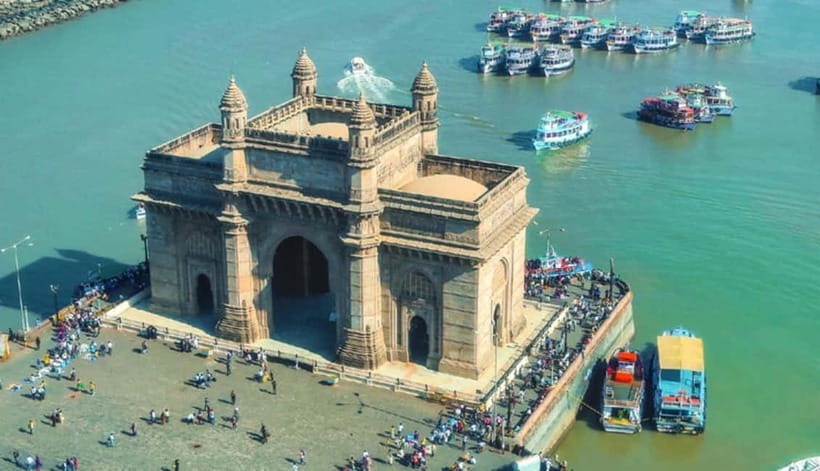
- Gateway of India start point: easy to find, and a perfect first visual of Mumbai’s waterfront.
- A real local-food break: local snacks plus bottled water, plus tea culture as part of the flow.
- UNESCO heritage focus: you’ll get context for what you see, not just a quick walk-by.
- Photography-friendly timing: you’re given adequate time at each place to slow down.
- Flexibility if the ferry fails: the guide can switch to a different cave option, like Kanheri, when conditions change.
- English-speaking guidance: stories and practical answers as you go, including smart meal tips afterward.
Why this 4-hour Elephanta-style day plan feels efficient
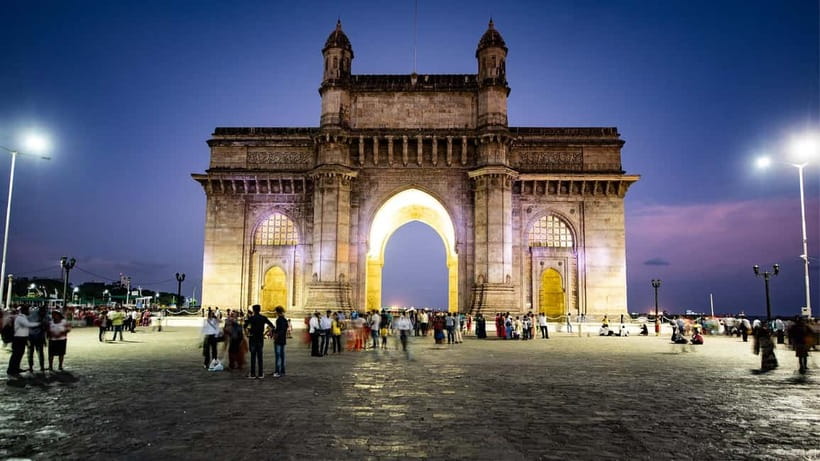
I like tours that respect your limited time. At about four hours, you get a taste of Mumbai’s heritage without turning your day into a logistics marathon. The big win here is that the experience is organized around the UNESCO heritage theme and structured stops, so you know what you’re looking at when you’re standing in front of it.
You also get a few details that make the time feel comfortable: bottled water, local snacks, and time to photograph. That sounds basic, but it matters when you’re moving between waterfront meeting points and cave areas where you’re tempted to rush.
A final reason I’m drawn to this format: the guide’s storytelling. You’re not just collecting photos. You’re picking up dynastic tales and heritage context that help you read the city as a whole, not as separate monuments.
Gateway of India: the easy meeting spot and the right starting mood
You start at Gateway of India Mumbai, and that’s a smart choice. It’s a central landmark on the waterfront, so you don’t waste your morning (or afternoon) hunting for a meeting point inside a crowded neighborhood maze. You also begin with the kind of view that makes you understand why people built these places where they did—right at the city’s edge.
From a practical standpoint, it also sets expectations. You’re about to do a short excursion out to the island and back, so having the first hour around the Gateway gives you time to get oriented and settle your pace. If you’re the type who likes to take a few establishing photos before you go underground, this first stop supports that.
One more small plus: since there’s no hotel pickup or drop-off included, starting at a landmark keeps the plan simple. You just show up where you can find it, and the tour flow takes it from there.
Ferry legs: the views you’ll remember, and how to handle timing
If you select the ferry option, you’ll ride out from Gateway of India toward the cave area and return again within the tour’s short timeframe. Even with minimal time offshore, you usually get a key perk: moving perspective. You see the city’s scale from the water, and it changes how the skyline and coastline feel.
Here’s the practical angle: plan to stay flexible. The experience is weather-dependent because it relies on ferry service. One example from a real-world scenario was a day when ferries were cancelled due to weather, and the guide contacted guests ahead of the scheduled meet time to offer another option.
If you care about photos, treat the ferry time as part of your picture plan, not downtime. Keep your camera or phone charged, and have a way to manage your essentials quickly when you’re boarding and disembarking.
Elephanta Caves: UNESCO context plus a guide who gives you the story
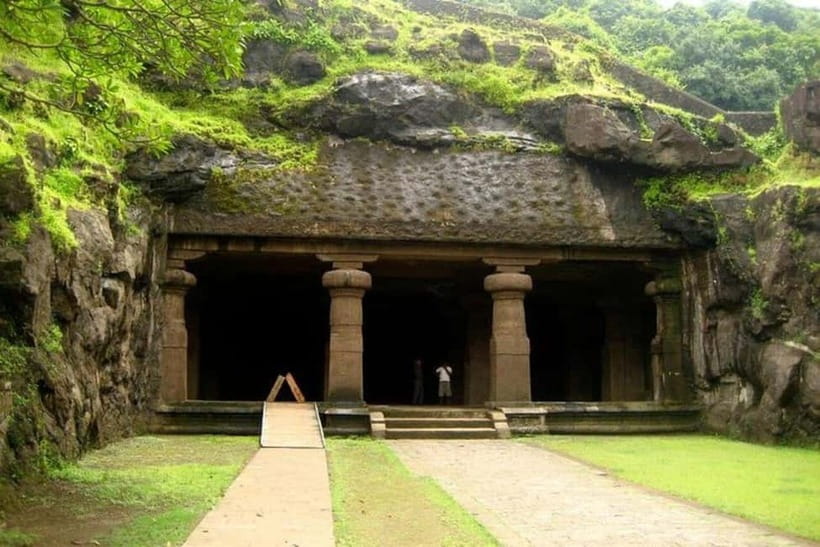
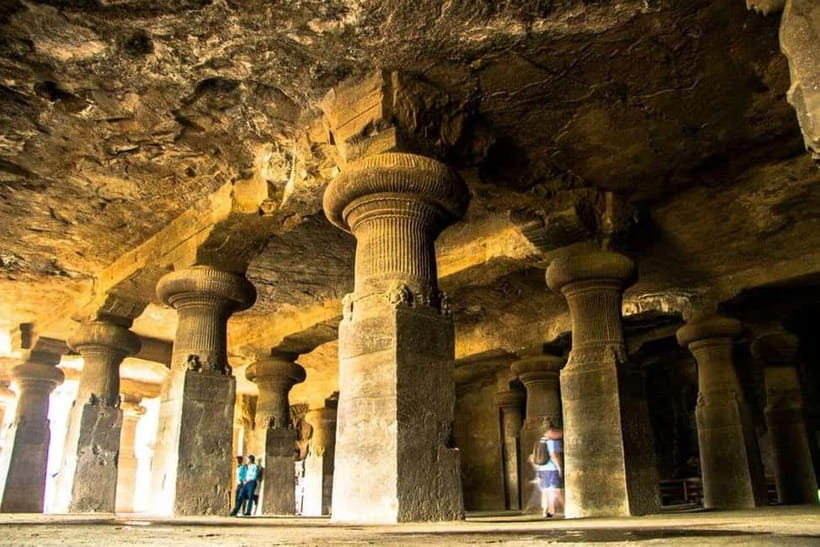
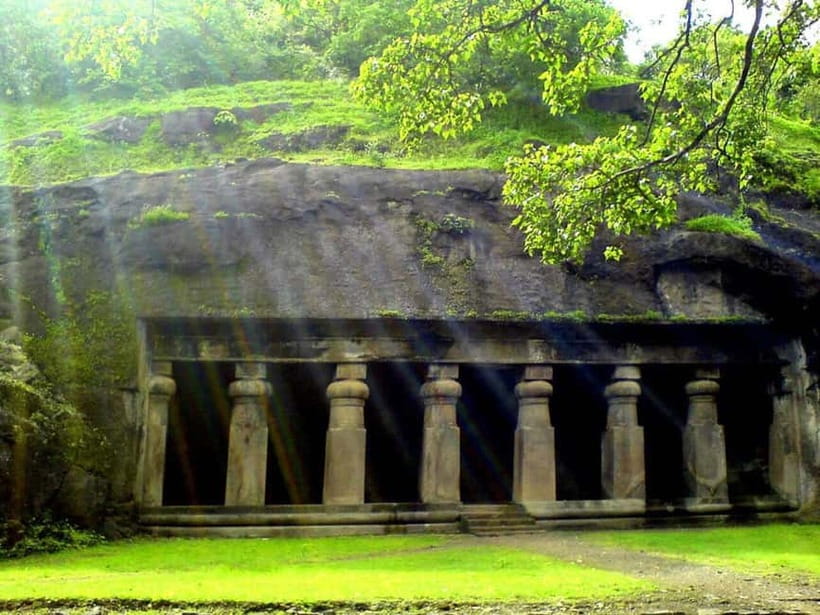
The core of the experience is the Elephanta Caves visit, set up for about an hour on-site. That time is long enough to do more than a hurried walkthrough, especially because the tour includes “adequate time at each location and photography opportunity.” In other words, you’re not trapped in a constant march.
What I like most is the way the guide frames what you’re seeing. The emphasis is on UNESCO heritage, and the stories focus on dynasties that once ruled the city. That matters because cave sites can feel disconnected from modern Mumbai if you don’t have a thread. With the guide’s context, you can connect the architecture and monuments to the people and eras behind them.
You should also go in with the right mindset. The tour is short, so you won’t leave with encyclopedic detail. But you will leave with a solid understanding of what makes the site culturally significant, and you’ll know how to talk about it when friends ask what you saw.
If ferry conditions change: how the tour can pivot to Kanheri
One of the most reassuring parts of this experience is flexibility. When ferry conditions break the original plan, the guide can switch options rather than leaving you stuck. In an example provided, someone booked for Elephanta, but ferries were cancelled due to weather. The guide offered an alternative well before the scheduled meeting time.
That alternate option was Kanheri caves, located in a national park setting. It included wildlife you might notice as you walk—many birds, plus two different types of monkeys. You’d also have the chance to hike up toward the top of the caves for a broad viewpoint over the city, including East and West in the panorama.
The storytelling also followed along with the caves theme. In that alternate visit, the guide pointed out sculptures and carvings, including depictions of Buddhas and Bodhisattvas across caves of varying sizes, with the largest described as about two stories. Even if you’re there for Elephanta, it’s useful to know that the tour operator’s “plan B” can still feel like a true cave-and-context day.
Local snacks and tea culture: the most Mumbai part of the morning or afternoon
I like that the food component isn’t treated as an afterthought. Local snacks and bottled water are included, and there’s a specific nod to local Indian tea culture during the tour. That turns the experience from pure sightseeing into something more sensory, and honestly, more human.
In a day like this, the included break does two jobs. First, it keeps you comfortable during ferry time and cave wandering. Second, it gives your guide a chance to talk about what people actually eat and drink in Mumbai today, not just what’s described in guidebooks.
A standout detail from the guide experience: Kaushal was praised for pushing guests toward good local food and sharing recommendations after the tour. That’s exactly the kind of bonus you want. You get a heritage morning, then you get a plan for what to eat next, with someone who knows where locals go.
Price and value: what $21 really buys, and what to budget for
At $21 per person for a four-hour guided outing, the value is solid—especially because several things are bundled: an English-speaking guide, bottled water, local snacks, time to photograph, and safety measures plus flexibility. If you select the ferry ride option, you’re also paying for the transport piece that makes the day possible.
But the pricing story has one critical “do the math” element: entry tickets are not included. Entry tickets are listed at 760 for foreigner nationality. So your realistic cash plan looks like:
- Tour cost: $21 per person
- Cave/heritage entry: 760 for foreigner nationality
- Lunch: not included
- Alcoholic beverages: not included
That doesn’t make the tour expensive. It just means you should treat the listed $21 as the guide-and-organization cost, and treat the 760 as the additional on-site cost you’ll pay to enter the caves.
Also, the short duration helps value. You’re not paying all day for transportation and time sitting in transit. You’re getting an organized, guided experience with enough time on-site to actually look and take photos.
Practical tips: how to get the most from your cave time
This is a short day, so your preparation matters more than usual.
- Wear comfortable shoes. Cave areas often mean uneven ground and stairs or slopes in the approach and within the site.
- Bring a light layer. Waterfront air can feel cooler than you expect, especially when you’re on the water.
- Plan your photos early. If you want a few “I’m here” shots at the start, do them around the Gateway so you’re not trying to squeeze perfect timing later.
- If you’re sensitive to weather changes, keep an extra buffer mindset. The ferry component means plans can shift.
If you do the above, you’ll spend your energy on the heritage and the guide’s stories, which is where this tour delivers.
Who should book this tour (and who might want another plan)
This fits best if you want:
- a short, organized day with UNESCO heritage context
- a guide who explains what you’re seeing and adds local detail
- a taste of Mumbai with tea and snacks included
- the kind of plan where flexibility exists if ferry service doesn’t cooperate
You might think twice if you:
- need hotel pickup and drop-off as a must
- can’t handle extra entry-ticket payments on top of the tour price
- prefer a full day with longer time at the site instead of a faster, four-hour format
Should you book this Elephanta Caves Tour with Ferry?
I’d book it if you want a clean, time-efficient way to connect Mumbai’s waterfront landmark (Gateway of India) to a major cave heritage experience, with a guide who adds story and practical guidance. The price is reasonable for what’s included, but go in with a budget for the cave entry tickets and plan to grab lunch outside the tour window.
And if you’re someone who values resilience in travel plans, this is where the tour earns its respect. When conditions disrupted the ferry, the guide’s response and the ability to shift to another cave option like Kanheri showed real care for keeping the experience on track.
If you want a short heritage day that also tastes like Mumbai, this is a strong choice.
FAQ
Where does the tour start and end?
The tour starts at Gateway of India Mumbai and returns to Gateway of India Mumbai at the end.
How long is the tour?
It’s listed as a 4-hour experience.
Is the ferry ride included?
A ferry ride is included if you select the ferry option. If the ferry can’t run due to weather, the guide may offer another option.
Are entry tickets included?
No. Entry tickets are not included. The listed entry ticket cost is 760 for foreigner nationality.
What’s included besides the guide?
The tour includes an English-speaking guide, bottled water, local snacks, adequate time at each location for photography, and flexibility and safety measures.
Is hotel pickup or drop-off included?
Hotel pickup and drop-off are not included. You’ll need to make your own way to the meeting point at Gateway of India Mumbai.