REVIEW · CAPE TOWN
Cape Town: Robben Island Ferry and Guided Tour
Book on GetYourGuide →Operated by Oasis Inclusive Centre Travel and Tours · Bookable on GetYourGuide
Robben Island has a way of changing your pace. What makes this tour special is the combo of a scenic V&A Waterfront ferry ride and a guided walk led by a former political prisoner, so the story lands with weight, not textbook distance. You’ll also see major landmarks tied to the anti-apartheid struggle, including Nelson Mandela’s cell, in a way that’s meant to be understood, not rushed.
The two things I like most are the guide format (firsthand perspective) and the very specific stops you make on the island, like the cell and the limestone quarry work area. One drawback to consider: Robben Island access depends on weather and operating conditions, so delays or cancellations can happen if conditions aren’t right.
In This Review
- Key highlights at a glance
- Why Robben Island Still Feels Personal: the Mandela Cell and the Prison Yard
- From the Clock Tower to the Ferry: Meet at Cape Town’s Historic Harbour Marker
- The V&A Waterfront Ferry Ride: Atlantic Views and Table Mountain in Motion
- The Guided Walk on Robben Island: Mandela’s Cell, Work Sites, and the Story’s Structure
- Wildlife on Robben Island: Penguins, Seals, and Birds Between Stops
- Former Political Prisoner Guides and the Language Factor
- Price of $109: What You’re Getting (and What You’ll Need to Plan For)
- Timing Reality Check: Why the Duration Can Feel Confusing
- Should You Book This Robben Island Tour?
- FAQ
- How long is the Robben Island experience?
- Where do I meet for the tour?
- What’s included in the price?
- Is French available?
- What do I need to bring?
- Are there any items that aren’t allowed?
- Will the tour run in bad weather?
- Are meals included?
Key highlights at a glance
- Firsthand storytelling from a former political prisoner who guides you through what happened and what it cost
- Mandela’s prison cell visit, including the most emotionally charged stop on the island
- A timed ferry approach from the V&A Waterfront, with Atlantic and Table Mountain views
- Landmarks beyond the cell, like the prison yard and the limestone quarry where prisoners worked
- Wildlife spotting on the island, with chances to see penguins, seals, and birds
Why Robben Island Still Feels Personal: the Mandela Cell and the Prison Yard
Robben Island is UNESCO-listed for a reason: it’s not just a site of suffering, it’s evidence of a long political fight that helped reshape South Africa. This tour is built to keep that context front-and-center, from the moment you arrive until you leave.
What you’re paying attention to here is the guide. You’re not getting a general narration—you’re getting a guide who shares the lived reality of incarceration and the system that produced it. That makes the island’s layout easier to understand too, because you’re connecting sights (cell, yard, work areas) to actual routines and constraints.
Your most important stop is Nelson Mandela’s small prison cell, where he spent 18 of his 27 years in custody. The cell is compact, plain, and controlled. The impact comes from standing there while the guide explains how such spaces were used to break morale and still couldn’t break resolve.
You’ll also move through other key prison landmarks, including the prison yard and the limestone quarry where prisoners worked. Even if you’ve read about apartheid before, these stops make the structure of prison life visible. That’s the difference between knowing dates and understanding how the day-to-day machinery worked.
From the Clock Tower to the Ferry: Meet at Cape Town’s Historic Harbour Marker
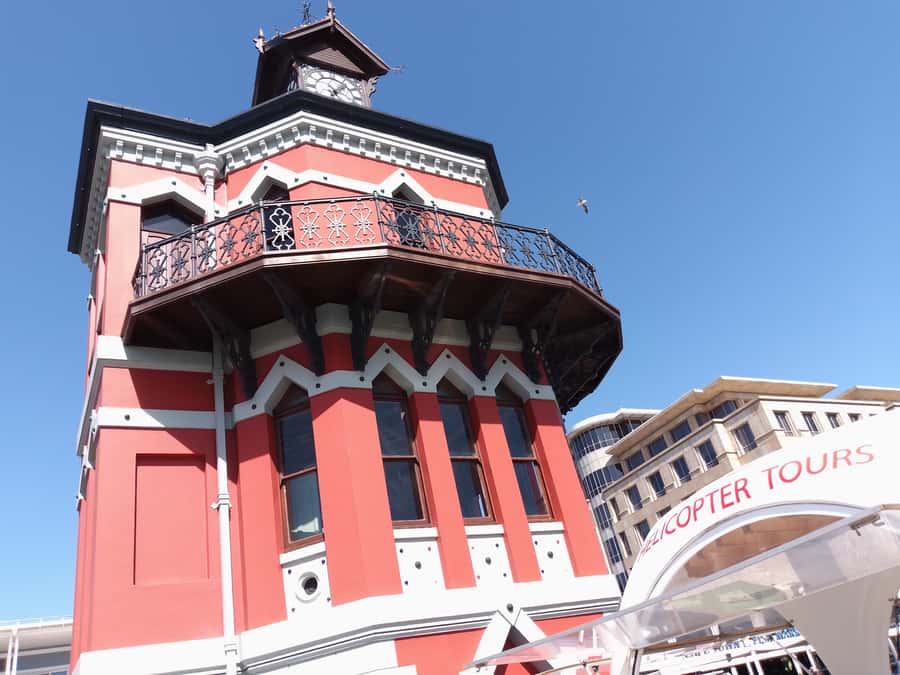
The meeting point is the Clock Tower Retail Centre, a Victorian Gothic harbour landmark in old Cape Town. It’s an easy visual anchor when you’re arriving in the area, and it helps you get oriented right away before you head out on the water.
Plan to arrive a bit early with your ID ready. You’ll need a passport or ID card for entry, and a copy is accepted. Comfortable shoes matter here because once you’re on Robben Island, you’re walking between multiple historical stops.
It also helps to think about sun and weather. Cape Town’s conditions can shift fast, and you’ll want a hat and sunscreen for the ferry and island time. A camera is worth it too, since you’ll want to capture the views and the significant landmarks without rushing.
The V&A Waterfront Ferry Ride: Atlantic Views and Table Mountain in Motion
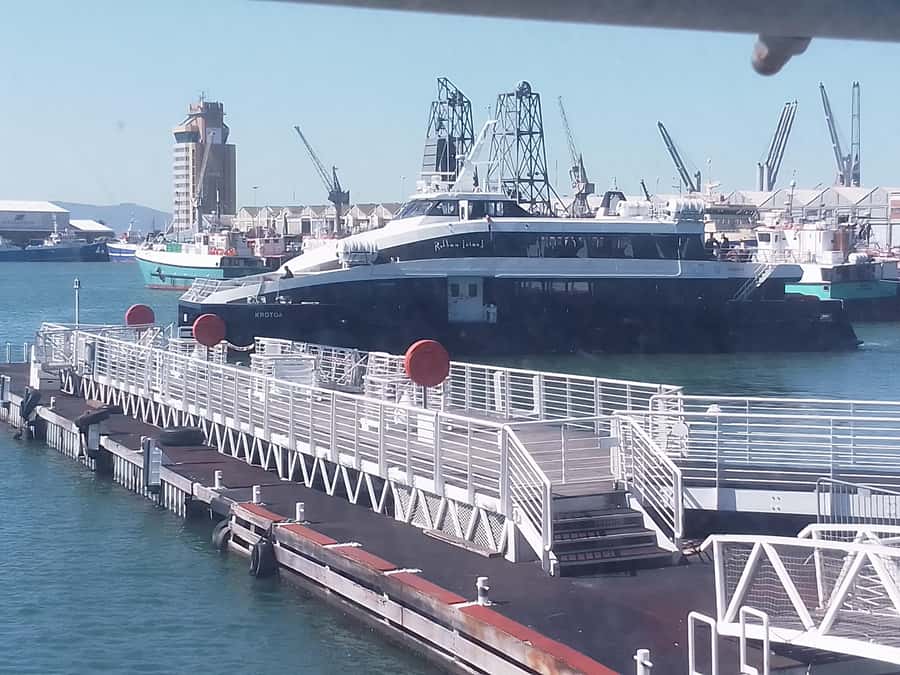
Before you reach the island, you get an actual “arrival” moment: a ferry ride from Cape Town’s V&A Waterfront. The crossing is about 30 minutes, and it’s not only a transfer—it’s part of how the day feels.
As you approach Robben Island, you’ll have standout views of Table Mountain and the Atlantic coastline. It’s one of those small travel perks that makes a tough destination easier to process, because you’re surrounded by real geography instead of only stories.
This is also where weather matters. The ferry runs when conditions permit, so if wind or sea conditions are rough, the schedule can change. If you’re prone to seasickness, you’ll want to plan accordingly, because you’re on open water for a short stretch.
The Guided Walk on Robben Island: Mandela’s Cell, Work Sites, and the Story’s Structure
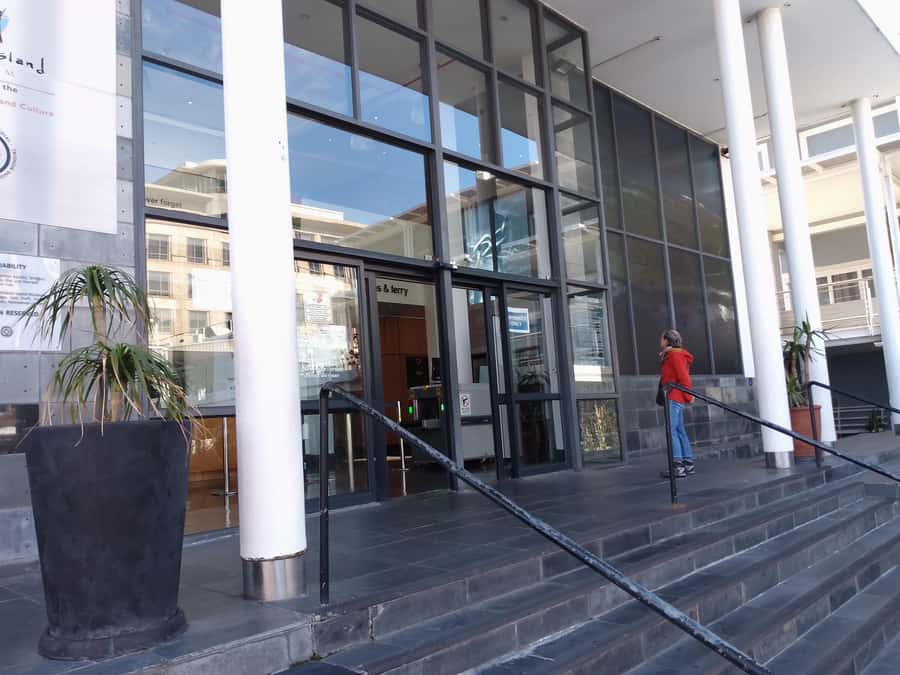
Once you’re on the island, you transition from scenery into stations. The guided portion is described as about 3 hours, and that time is used on purpose: to build a sequence of locations that explain how the prison system functioned.
The tour typically includes:
- Mandela’s cell
- the prison yard
- the limestone quarry work area
- other key landmarks tied to the anti-apartheid struggle
The order is important because it matches the logic of imprisonment—control, routine, labor, and confinement. Standing in each place, you can start to understand why prisoners endured what they did and how community and resistance formed inside a system designed to isolate people.
The Mandela cell stop is the emotional anchor. You’ll spend time there not as a photo-op, but as a place to absorb what confinement looked like in practice. The guide also connects Mandela’s personal story to the broader political struggle, so his years of incarceration don’t feel separate from South Africa’s larger push for freedom.
Then you move outward to the work areas, where the limestone quarry becomes a concrete example of how forced labor was used. Even if you know the basics of apartheid history, work-site details help you grasp how the system was engineered to control bodies through time and exhaustion.
One practical note: the walking portion is meaningful, so you’ll want to keep your energy for the whole sequence. Don’t burn time at the first scenic moment—this tour’s value is in the sustained progression from one landmark to the next.
Wildlife on Robben Island: Penguins, Seals, and Birds Between Stops
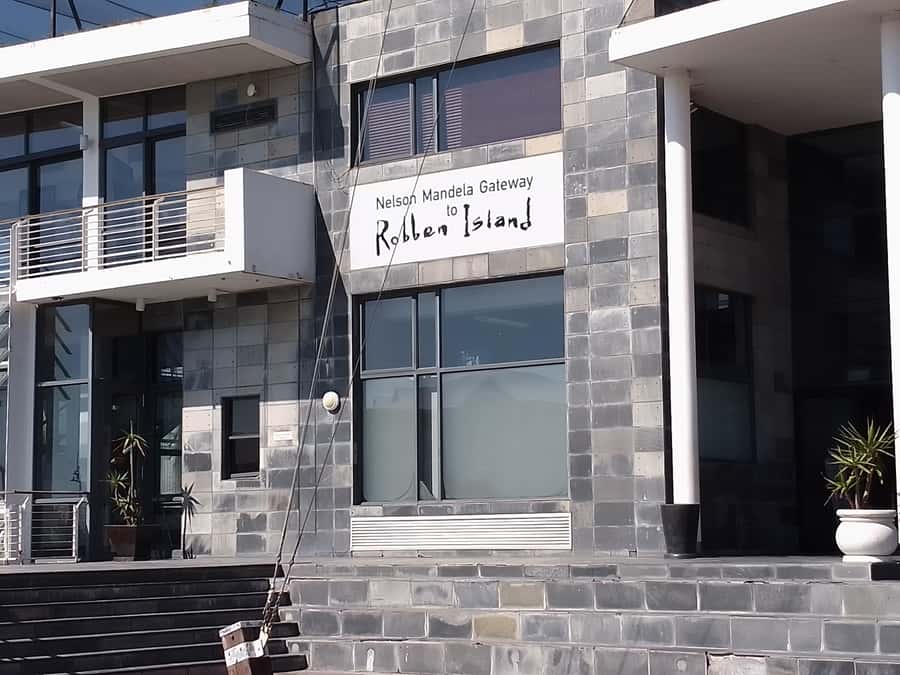
Robben Island isn’t only memorial space. It’s also habitat. This tour gives you opportunities to spot wildlife during your visit, including penguins, seals, and different bird species.
That matters more than it might sound at first. When you’re focused on a heavy story, a living landscape helps your brain hold the full picture of place. The island isn’t frozen in one mood; it’s shaped by weather, sea, and animal life that continues beyond history.
You’ll usually spot wildlife opportunistically rather than on a guaranteed schedule. That means your best move is simple: stay alert while you’re walking between stops, and let your guide’s timing guide where you look.
Former Political Prisoner Guides and the Language Factor
This tour is explicitly guided in English, and a French translator can be arranged if you request it ahead of time for an additional cost. That’s a big deal for comprehension, especially on a subject where small details change meaning.
I also like the way the guide role is handled: you’re not getting a scripted performance. With an ex-political prisoner guiding you, the tone tends to be practical and grounded—focused on how events unfolded and what prison life required. One detail I’m taking seriously here is that guides can be former incarcerated people who lived these realities, including those with experience from the 1970s. That background tends to show in how clearly the guide explains daily constraints and emotional stakes.
Group experience matters too. The tour’s structure is designed so you can hear clearly and then see the location right in front of you. If you’re the kind of traveler who likes to ask questions, you’ll probably appreciate this format, because it invites curiosity rather than passive viewing.
Price of $109: What You’re Getting (and What You’ll Need to Plan For)
At $109 per person, the key value question is: does it include the parts that matter most? In this case, the inclusions line up well with the destination. You get the ferry ride from the V&A Waterfront, an English guided tour by the former political prisoner guide, and the visit to Mandela’s cell plus other historical sites.
You also get wildlife spotting time on the island, which is included as part of the visit rather than treated like a separate activity. The only clear extra you’ll likely want to budget for is meals and drinks, since those aren’t included.
So how should you judge the cost? If you want a Robben Island visit where you understand what you’re seeing and why it matters, the guide-centered approach makes the price feel more justified than a basic transport-only ticket. If you mainly want sightseeing photos with minimal explanation, you might feel the spend more sharply—this one is built for people who want context.
Timing Reality Check: Why the Duration Can Feel Confusing
The activity information lists a duration of 1 hour, but the day flow is clearly longer: about 30 minutes on the ferry plus about 3 hours of guided time on the island. What that means for you is simple—don’t plan a tight schedule around this as if it’s a quick hop.
I’d plan for several hours total so you’re not stressed about returning. If you’re pairing this with other Cape Town stops, give yourself cushion for any weather-related delays too. This tour is subject to conditions, and the ferry operates when the weather permits.
Should You Book This Robben Island Tour?
If you want Robben Island to feel like understanding—not just looking—this is an excellent match. The standout reason is the guide model: a former political prisoner explains what you’re seeing with firsthand authority, and the tour focuses on the places that define the story, including Mandela’s cell, the prison yard, and the limestone quarry.
I’d book it if you:
- care about apartheid history with real human detail
- want the strongest interpretation possible rather than a generic tour
- like structured stops where you can connect location to story
I’d hesitate or at least double-check your plan if:
- you’re relying on this to happen no matter what, because access depends on weather and operating conditions
- you hate schedule uncertainty, since cancellations can occur when Robben Island isn’t accessible
FAQ
How long is the Robben Island experience?
The tour details show about a 30-minute ferry ride plus roughly 3 hours of guided time on Robben Island, so plan on several hours total.
Where do I meet for the tour?
You meet at the Clock Tower Retail Centre in Cape Town.
What’s included in the price?
You get the ferry ride from the V&A Waterfront to Robben Island, an English guided tour led by a former political prisoner, the Mandela cell visit, and stops at other historical landmarks. Wildlife spotting opportunities are part of the visit.
Is French available?
Yes. An on-request French translator is available at an additional cost.
What do I need to bring?
Bring a passport or ID card (a copy is accepted), comfortable shoes, and it’s smart to pack a hat, camera, and sunscreen.
Are there any items that aren’t allowed?
Smoking is not allowed.
Will the tour run in bad weather?
The ferry operates when weather permits, so the tour can be affected by weather conditions.
Are meals included?
No. Meals and drinks aren’t included.
If you want, tell me your travel month and whether you prefer private or small-group experiences in Cape Town—I can help you time this against Table Mountain, lunch spots near the Waterfront, and your next day.