REVIEW · CAPE TOWN
Cape Town: Robben Island Ferry Ticket and Guided Prison Tour
Book on GetYourGuide →Operated by Beyond Africa Safaris · Bookable on GetYourGuide
Mandela’s prison cell hits different. This Robben Island outing pairs skip-the-line ferry entry with bus and prison first-hand storytelling from an ex-inmate, so history lands in your lap, not just in a brochure.
I particularly love the two-guide rhythm: one person builds the island story and context, then an ex-prisoner guide walks you through the place like it is still in his bones. Names you may hear include bus guide Yasien Mohammed, and former prisoner guides such as Monde, Terrence, Sipho, or Christo Brand.
One consideration: even with the ticket line skipped, you still queue to board the ferry, and crossings can feel choppy—so plan for a little waiting and pack for wind.
In This Review
- Key points before you go
- Why Robben Island still matters (and why this format works)
- Getting started at the Nelson Mandela Gateway (and finding it fast)
- Fast ferry ticketing plus a shared sea crossing
- The island bus tour: where the story gets organized
- Entering the prison: Mandela’s cell and the ex-inmate guide
- Pacing, crowd energy, and small comfort tips that matter
- Price and value: what $79 really buys you
- Who should book this Robben Island prison tour
- Final decision: should you book it?
- FAQ
- How long is the Robben Island ferry and guided prison tour?
- Where does the tour start and end?
- What’s included in the $79 price?
- Is hotel pickup included?
- Do I need a passport?
- Will I be on a private tour?
- Is the tour only for international travelers?
- FAQ
- Is there an option to get a full refund if plans change?
- What language is the guide in?
Key points before you go
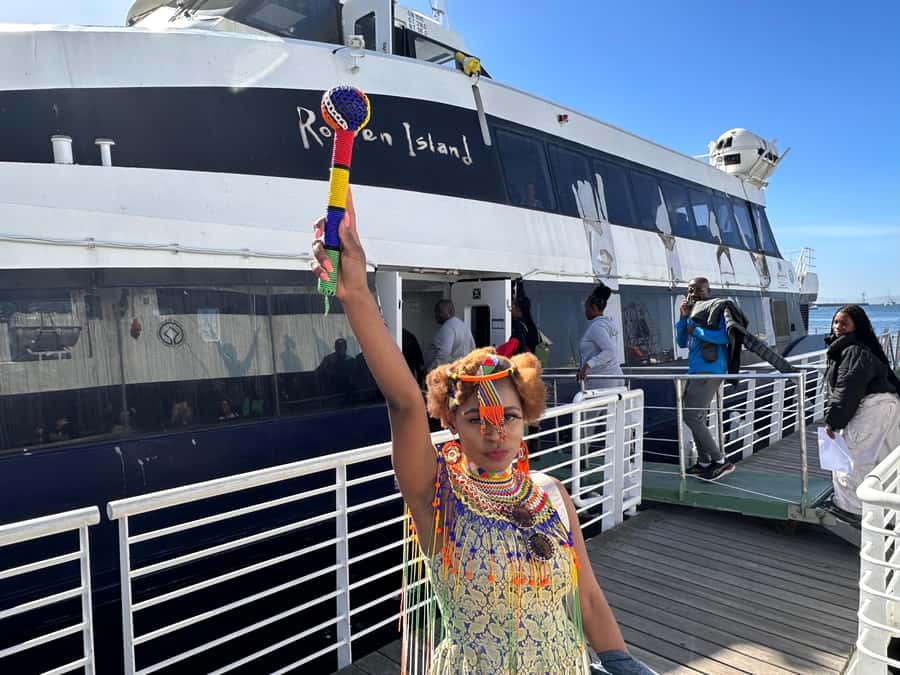
Skip-the-line ferry ticketing saves time, but you’ll still join the boarding queue.
A bus guide plus an ex-prisoner gives you both structure and lived-in detail.
Mandela’s cell visit is the emotional peak and the one stop you’ll remember later.
The tour runs in shared groups (boat and bus), so you’ll move with others.
Expect variable weather on the water and dress for wind and cool air.
Why Robben Island still matters (and why this format works)

Robben Island is one of those places where “historic site” feels too polite. It’s a UNESCO World Heritage setting where apartheid-era repression played out in real spaces—blocks, corridors, yard areas, and the cell where Nelson Mandela spent about 27 years.
What makes this tour effective is the way it teaches. You don’t just see the island and read signage. You go in with context, then you get the prison experience delivered by someone who lived it. That second layer changes how you understand the first one. You can’t un-hear the stories once they’re told in plain language and tied to specific locations.
Also, the timing is tight. At roughly four hours total, it’s a half-day plan that fits a Cape Town itinerary without stealing your whole day. That matters, because Robben Island isn’t a place you want to treat like a box-check. You need enough time to feel the weight without rushing through it.
Getting started at the Nelson Mandela Gateway (and finding it fast)

Your day begins and ends at the Nelson Mandela Gateway to Robben Island. There’s no hotel pickup or drop-off here, so you’ll want to give yourself extra time to arrive and orient.
One practical tip: if directions aren’t super clear on the ground, it helps to walk toward the swing bridge and look out for a grey/burgundy building. That kind of landmark thinking can save you from circling around security gates while your group is already organizing.
Plan to come with your ID ready. You can bring a passport or an ID card, and a copy is accepted. The key is that you don’t want to be searching for documents right when you’re supposed to move.
Fast ferry ticketing plus a shared sea crossing

A major value point is that you pre-book your return ferry tickets so you don’t waste time at the ticket counter. On busy days, that alone can feel like a win.
But don’t assume “skip the line” means “no waiting.” The tour notes that you’ll still queue to board the ferry boat. So what you’re really paying for is less standing around at ticketing, not a guaranteed sprint to the water.
The sea ride itself is about 30 minutes shared boat travel. Depending on conditions and scheduling, you might find the ride feels closer to the 30–45 minute range. Some boats are fully enclosed, which can help comfort, but it doesn’t remove the reality of wind and swell.
If you’re even slightly prone to seasickness, take it seriously. A few visitors noted the crossing can feel rough. You’ll also be glad you brought a coat—there’s often a chilly wind factor, especially when you’re standing or moving around on/near the deck areas.
If you’re lucky with timing, you might spot wildlife out on the water route, like seals, and occasionally even a whale reported by groups on the same day.
The island bus tour: where the story gets organized

Once you dock, you’ll meet your guides and continue inside the Robben Island complex. The visit includes a museum component and a bus tour of the premises.
This portion matters because it sets a mental map. Without that, you can end up seeing buildings as “old stuff” instead of understanding how the prison system functioned day to day. A strong bus guide turns the island into a timeline—where people were housed, how movement worked, and why control was so strict.
From the experiences shared by past visitors, bus guiding can be both detailed and human. Some groups especially praised the delivery of Yasien Mohammed, describing the commentary as clear and engaging. Others mentioned humor mixed into tough material, which isn’t there to lighten things—it helps the group stay present while the facts come fast.
What to watch for: the bus segment can feel rushed on some days, and you might be stuck with less-than-ideal seating or audio positioning depending on where you sit. A couple of people noted older bus conditions and that not all seats felt equal for hearing the guide. If you care about audio clarity, try to sit where you can face the guide easily.
You may also get a short break during the day—one common pattern described was around 10 minutes for coffee and penguin viewing. The exact length and timing can depend on crowds, but it’s the kind of pause that helps you reset before the prison walk hits you.
Entering the prison: Mandela’s cell and the ex-inmate guide
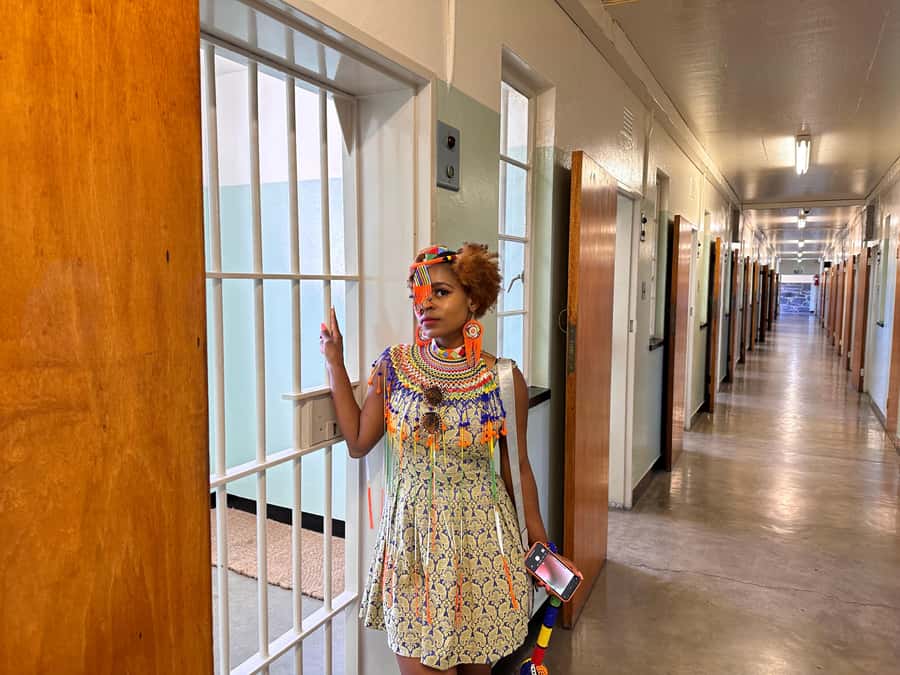
Here’s the part that does the heavy lifting: the prison tour with a former political prisoner/ex-prisoner guide. This is the moment when Robben Island stops being a site you visit and starts being something you understand.
You board the bus for the island orientation, then you move to the main prison area. The prison walking tour is where the guide’s lived experience shapes every detail. Past groups consistently highlighted the power of hearing first-hand accounts tied to the spaces themselves—treatment, routines, the mental pressure, and the reality of incarceration under apartheid.
The highlight is Nelson Mandela’s prison cell. Even if you’ve read about him, seeing the cell you can point to and stand beside gives the story physical scale. People described it as heartbreaking and humbling—the kind of experience that changes how you think about resilience and cost.
The guide’s storytelling style can vary, but the strongest tours tend to feel like a conversation rather than a script. Some visitors mentioned guides answering questions and keeping the tone respectful and clear. Others noted small issues like being hard to hear in certain spots, so it pays to stay attentive early and position yourself where your guide’s voice carries.
A key note from the experiences shared: even when the day runs smoothly, the material is emotionally hard. It can be a lot for kids, but one family said their daughters managed the visit well. If you bring younger travelers, consider how your group handles serious history. The site is not meant to be light.
Pacing, crowd energy, and small comfort tips that matter
A four-hour visit sounds simple on paper. On the ground, it’s a chain of steps: meet at the gateway, board the ferry, dock, bus tour, prison walking, then ferry back.
That chain means you should expect a shared-group rhythm. You’ll likely move with others and adjust to the timing of queues. One visitor mentioned minor staffing or transport issues on the island that were fixed quickly, but it still cost a few minutes. In other words: leave a little buffer in your day so you don’t feel stressed if the schedule shifts.
Also plan for comfort:
- Bring a coat or wind layer for the water crossing.
- If you get motion sickness, prepare for it.
- Wear shoes that can handle walking and a prison-yard style route without slipping.
Food isn’t included. There may be a brief coffee/penguin break as part of the day flow, but don’t count on a full meal. Eat before you go or plan to grab something soon after you return to Cape Town.
As for group size and bus seating: because you’re not on a private tour, you may be in a crowded ferry and on a bus with limited window views and older interiors. That doesn’t spoil the tour, but it explains why some people felt the bus ride wasn’t as comfortable as the prison part.
Price and value: what $79 really buys you

At about $79 per person for international travelers, you’re paying for more than transportation. You’re buying three big things:
1) Return ferry tickets
2) A museum component plus a structured island visit
3) An ex-prisoner guide for the prison experience
That last item is the main value driver. Prison sites can be toured with standard audio guides. Here, you’re getting an interview-style, location-specific narrative from someone who lived the system. That’s hard to replicate elsewhere, and it’s why many visitors describe the trip as worth every penny or rand.
You also gain time advantage. The tour skips the ferry ticket line, which can matter a lot in Cape Town’s peak season. Even if you still queue to board, the saved ticketing time helps keep the day moving.
Is it perfect value? If you end up with audio issues on the bus or if the day feels crowded, it can feel pricey for the comfort of the transport segment. But the prison storytelling is what most people remember, and that piece is the reason the price makes sense.
Who should book this Robben Island prison tour
This fits best if you want:
- A half-day plan that doesn’t require you to manage complex timing on your own
- Meaningful context before you walk into the prison
- First-hand narrative from someone who experienced the apartheid prison system directly
It also suits history-minded travelers who like their learning with specific locations and human detail, not just general facts.
It may be less ideal if:
- You get strongly seasick and don’t want to deal with wind and swell. (You can still book, just plan for it.)
- You want a quiet, private pace with minimal crowds. This is shared boat and shared bus/land movement.
- You’re sensitive to intense, tragic storytelling. The Mandela cell visit and the ex-prisoner accounts are emotionally heavy.
If you’re bringing kids, it can still work—one family reported their 9-year-old and teenage daughters appreciated it—but you’ll want to read your child’s signals during the prison segment.
Final decision: should you book it?
I’d book this if you care about the prison experience being guided by an ex-inmate rather than just a standard history talk. The combination of skip-the-line ferry tickets and a prison tour led by someone who lived it is exactly the kind of “value meets meaning” setup that makes Robben Island more than a checklist stop.
I’d think twice (or at least prepare well) if you’re uncomfortable with boat movement, dislike queues, or hate emotionally intense history. If that’s you, bring motion sickness help, a warm layer, and mental space for the Mandela cell visit.
If you want one clear takeaway: plan this for a day when you can slow down, listen hard, and let the place do its job.
FAQ
How long is the Robben Island ferry and guided prison tour?
The tour duration is about 4 hours.
Where does the tour start and end?
It starts and ends at the Nelson Mandela Gateway to Robben Island.
What’s included in the $79 price?
You get return Robben Island ferry tickets, a museum tour, and a guided experience led by an ex-prisoner.
Is hotel pickup included?
No. Hotel pickup and drop-off are not included.
Do I need a passport?
You can use a passport or ID card. A copy is accepted.
Will I be on a private tour?
No. It’s not private. You join others on the boat trip and on the guided bus and land tour.
Is the tour only for international travelers?
Yes. The offer is for international travelers (non South Africans). South African citizens are encouraged to buy directly from Robben Island.
FAQ
Is there an option to get a full refund if plans change?
Yes. Free cancellation is available up to 3 Days and 1 Hours in advance for a full refund.
What language is the guide in?
The live tour guide is in English.