REVIEW · CAPE TOWN
Cape Town: Robben Island Ferry Tour with 1-Way Hotel Pickup
Book on GetYourGuide →Operated by Sam's Cultural Tours · Bookable on GetYourGuide
Robben Island makes apartheid feel painfully real. This tour pairs a straightforward ferry ride with a former-prisoner-led prison visit that connects the dots between Cape Town today and South Africa’s hard past. I especially like the hotel pickup from central areas, because it removes the stress of timing your way to the waterfront.
What really hit me (and what you’ll feel too) is hearing the prison story from people who lived it. In guides like Tom and Sipho, the explanations have a calm clarity, plus the kind of details that don’t come from a brochure—what daily life was like, and how the system worked.
One consideration: the ferry crossing and island timing can be a bit of a wildcard. The sea can get rough, and if the boat is late, you may end up with a rushed prison segment.
In This Review
- Key highlights worth centering
- Robben Island From Cape Town: What This 5-Hour Day Really Delivers
- The Hotel Pickup Network: Getting to the Waterfront Without a Headache
- Ferry Ride Reality Check: Sea Conditions and How to Prepare
- On the Island: The Bus Tour First, Then the Prison
- Mandela’s Cell: Why Seeing It Matters More Than the Name Alone
- Former-Prisoner Guides: The Difference Between Talking and Teaching
- Timing and Waiting: What to Expect Inside a Real Ferry-Day Schedule
- How Much It Costs, and Whether It’s Good Value
- Who This Tour Suits Best (and Who Might Want a Different Plan)
- Practical Tips That Make the Day Smoother
- Wheelchair Access: What You Should Know
- Should You Book This Robben Island Tour With Hotel Pickup?
- FAQ
- How long is the Robben Island ferry tour with hotel pickup?
- Where does the pickup happen in Cape Town?
- What do I need to bring?
- Is the tour wheelchair accessible?
- What’s included in the price?
- Is food included?
- What happens if the ferry is canceled due to weather?
Key highlights worth centering
- Former-prisoner explanations: Your guide talks from lived experience, not just textbook facts.
- Nelson Mandela’s cell visit: You see the cell where Mandela was held for 18 of his 27 years in prison.
- Ferry ride + island bus tour: You get both the water crossing and an island overview before the prison.
- Small group size: Limited to 12 participants, which helps the guide pace the day.
- Central Cape Town pickup: Pickup points include Camps Bay, Sea Point, Green Point, the CBD area, Woodstock, and the Waterfront zone.
- A meaningful focus: The prison portion is the main event, with Mandela’s story woven through it rather than presented as the only storyline.
Robben Island From Cape Town: What This 5-Hour Day Really Delivers
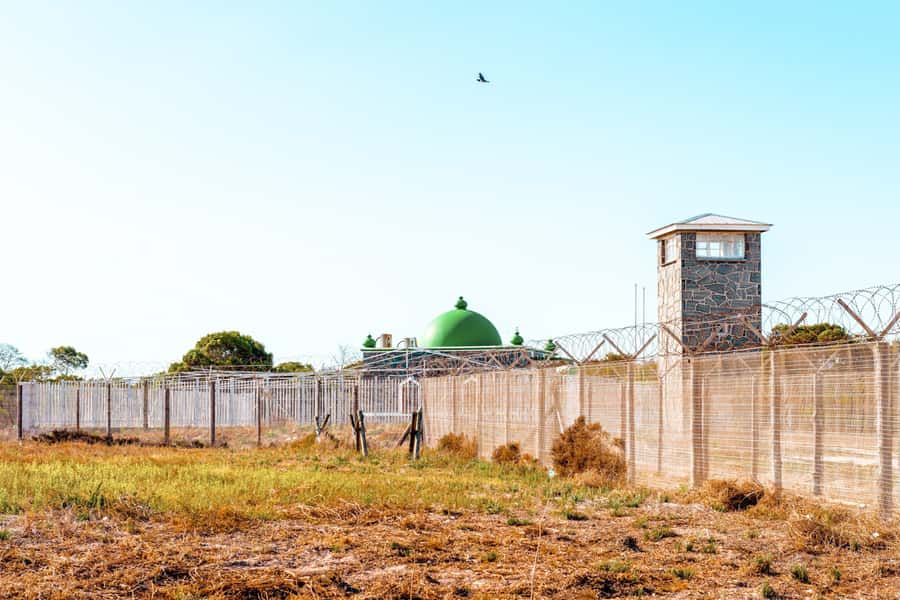
Robben Island is one of those places where the distance between history and your own feelings collapses fast. The ferry ride is a nice, clear “start line” for the day, and then the island pulls you into real physical context: cold stone, plain corridors, and the kind of routine that makes the cruelty of apartheid feel specific instead of abstract.
This tour is built around one idea: you don’t just look at the prison—you learn what it was like to be inside it. The day is structured for flow. You move from hotel pickup to the V&A Waterfront area, then out to the island by ferry, then through a bus overview of the island, and finally into the prison and Mandela’s cell. It’s not a long, leisurely museum stroll. It’s more like a concentrated experience with strong emotional gravity.
And yes, it’s also practical. The shared bus and hotel pickup matter here. Robben Island is popular, the timing is tight, and you don’t want to spend your morning figuring out transit while the ferry schedule ticks on.
The Hotel Pickup Network: Getting to the Waterfront Without a Headache
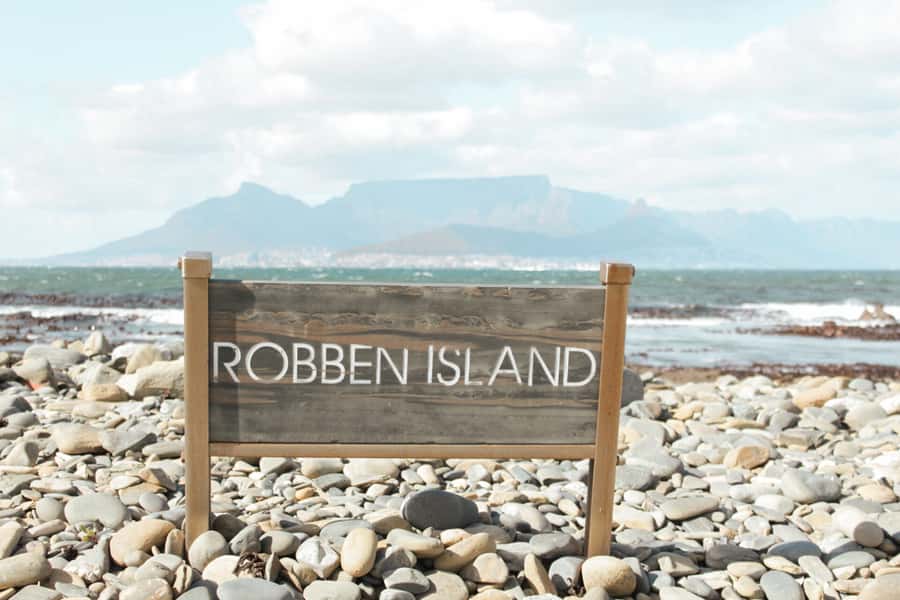
The logistics are one of the biggest “quiet wins” of this tour. You’re picked up from central Cape Town locations such as Camps Bay, Sea Point, Green Point, City Centre (CBD, Gardens, Tamboerskloof, Oranjezicht), Woodstock, and the Waterfront area.
You travel in comfort to the V&A Waterfront region and collect your ticket at the Nelson Mandela Gateway. That means you’re not stuck hunting for the right office or ticket booth while other visitors queue up.
Two practical notes to keep in mind:
- If you’re staying outside the pickup zone, you’ll need to coordinate with the provider so you can collect your ticket within the pickup area.
- If you’re staying at the Waterfront itself, you may still be charged for transportation. In other words, pickup there can still be treated as part of the tour cost, even if it feels “close.”
If you want one simple strategy: plan to be ready earlier than you think you need to be. Pickup and ferry schedules run on real time, not on tourist time.
Ferry Ride Reality Check: Sea Conditions and How to Prepare

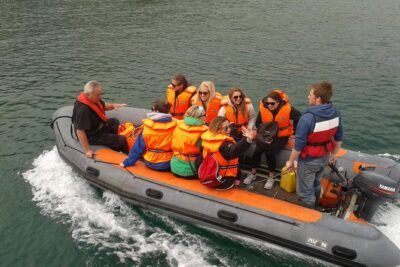
The ferry ride to Robben Island takes about 45 minutes, and it’s part of the experience. It also can be part of the discomfort, depending on the day. Several people note that the crossing can feel rough, and sea sickness is a real possibility.
Here’s how I’d prepare:
- Bring something for motion sickness if you’re even slightly prone.
- Dress in layers. Wind can change your comfort fast once you’re out on open water.
- Plan on the ferry being subject to weather. If the ferry is canceled, the tour can’t pretend otherwise.
If you’re trying to time your trip to the day you arrive, keep a buffer. Robben Island doesn’t run on wishful thinking.
On the Island: The Bus Tour First, Then the Prison

Once you arrive, the experience shifts from transport to interpretation. You’ll first do an island bus tour, which helps you understand where everything sits, before you walk into the prison portion.
That sequencing matters. The bus tour gives you landmarks and a mental map, so when you’re later inside the prison, you can follow the story more easily. Without that, it can feel like you’re just moving through buildings—interesting, but harder to connect to how life was structured inside.
Then comes the prison tour and the cell where Mandela was confined. The most important detail here is that you’re not just seeing a name plaque. You’re seeing a specific space used by Mandela for 18 years out of his 27 years behind bars.
Mandela’s Cell: Why Seeing It Matters More Than the Name Alone
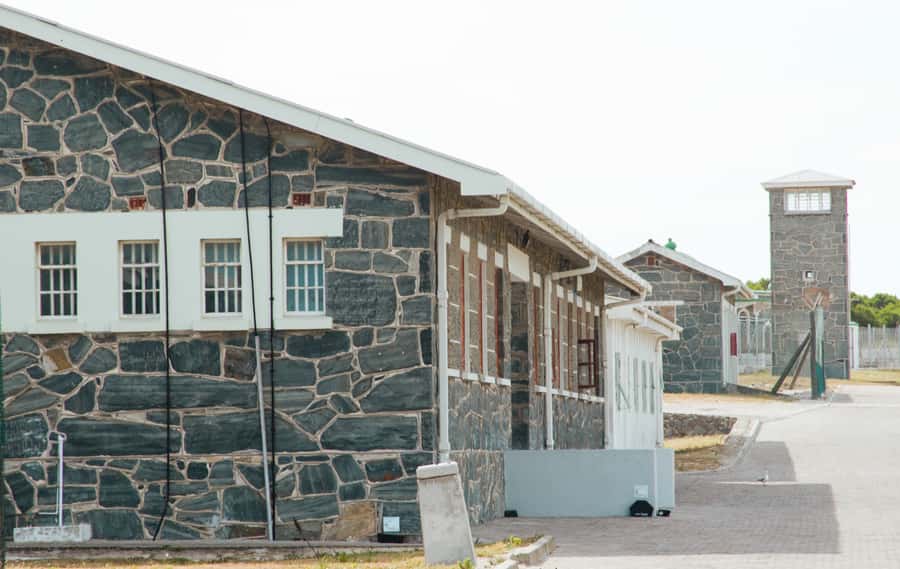
You’ll likely expect Mandela’s story to dominate. It does, but in a specific way. The tour’s main focus stays on the prison experience and apartheid-era imprisonment generally. Mandela’s confinement is central, yet the broader system and day-to-day conditions are what the guide emphasizes most.
That’s not a flaw—it’s actually the point. Mandela’s cell becomes more than a symbol when you understand the machinery surrounding him. You learn what the system was designed to do, and how prisoners survived psychologically and socially under pressure.
Also, the chance to hear the cell story from someone who was imprisoned adds weight. In guides named Tom and Sipho, the explanations come with a lived rhythm—simple words, direct details, and a steady seriousness that doesn’t try to soften the facts.
If you’re short on time in Cape Town, Robben Island is still worth prioritizing. It’s one of those experiences that doesn’t just teach facts; it teaches context you’ll carry around afterward.
Former-Prisoner Guides: The Difference Between Talking and Teaching
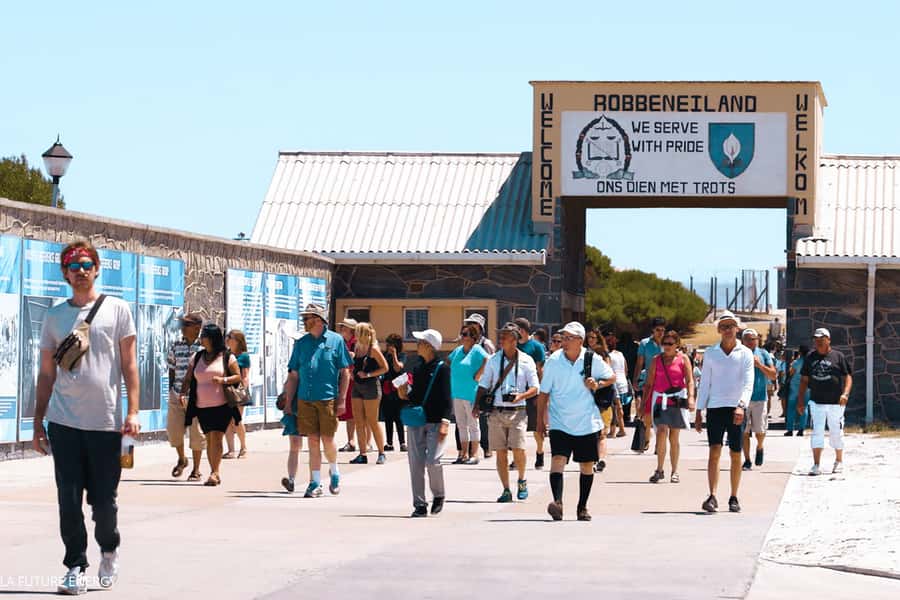
One of the most praised parts of this tour is the human element. The guides are former prisoners, and that changes the tone immediately. You’re not only receiving information; you’re hearing how apartheid imprisonment felt from the inside.
This is where the small group matters. A limit of 12 participants helps the guide pace the day. You’re less likely to get swept along like a number in a big crowd. It also makes Q&A more practical.
Even if you’ve read about apartheid before, a former-prisoner guide turns the material into something you can picture: the atmosphere, the routines, the pressures, and the meaning of survival. People also mention that the explanations can be moving in a way that stays with you long after you leave the prison yard.
Timing and Waiting: What to Expect Inside a Real Ferry-Day Schedule
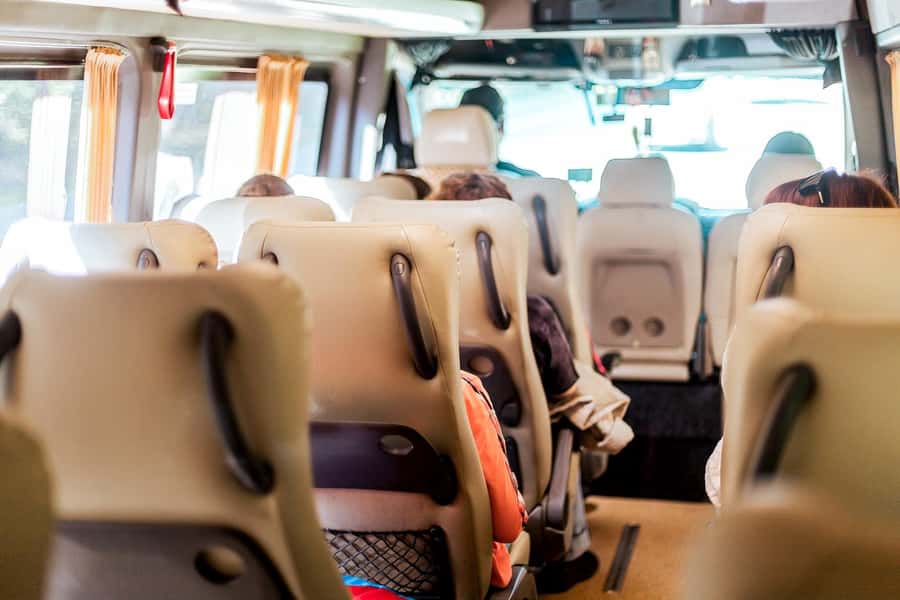
A common theme is that the day can include waiting time. Ferry departures and arrivals have to happen on schedule, and the island visit is tightly managed. So even though the full duration is listed as 5 hours, there can be pockets where you’re standing around rather than actively “doing.”
There’s also the possibility of late ferry crossings. One person notes being delayed getting to the prison and ending up with a more rushed experience once inside. That doesn’t mean the tour is poorly run—it means the schedule depends on the ferry.
My advice is simple: keep your expectations flexible. If you treat this like a timed appointment (not like a leisurely attraction), the day makes sense.
How Much It Costs, and Whether It’s Good Value
This tour is priced around $71 per person. That number might look high at first glance, especially if you’re comparing it to buying a Robben Island ticket directly.
But here’s the value math this tour offers:
- You’re paying for ferry transportation included.
- You’re paying for a live guide and the prison/island tours.
- You’re paying for shared bus pickup from central Cape Town, which saves time and reduces planning stress.
Where the price debate shows up: some people feel the “extra” you pay for a packaged tour is steep when nothing feels added besides organization. That’s a fair way to see it.
So the decision comes down to you:
- If you want a low-stress plan with pickup and a guide already lined up, this package is usually worth it.
- If you’re confident navigating independently and are traveling on a tight budget, you might feel the cost is less justified.
Who This Tour Suits Best (and Who Might Want a Different Plan)

This is a strong fit for you if:
- You want a guided prison experience with context, not just a quick stop.
- You appreciate learning from people with lived experience.
- You like the structure of a small group and a clear timeline.
It might be less ideal if:
- You strongly prefer a flexible, self-paced visit without waiting.
- You get motion sick easily and don’t want to risk a rough ferry day.
- You’re expecting the day to be mainly about Mandela as a biography. The emphasis stays on the prison and apartheid imprisonment more broadly.
Families can also manage it, but the emotional content is heavy. If you bring kids, the prison story will likely land in a serious way—plan to explain and pace your expectations.
Practical Tips That Make the Day Smoother
A few details can make a real difference:
- Bring your passport or ID card. You’ll need it for entry.
- Children need proof of date of birth.
- Wear comfortable shoes. Prison tours involve walking.
- Bring a light jacket if you get cold on deck or in wind.
- If you’re motion-sensitive, consider prevention for the ferry crossing.
- Keep your phone charged enough for last-minute communication. The provider may call shortly before the tour, so have your number handy.
Also, after the tour you’re dropped at the V&A Waterfront area. From there, you’re free to return independently to your accommodation or keep sightseeing.
Wheelchair Access: What You Should Know
This tour is listed as wheelchair accessible, which is a major plus. The key thing to understand is that Robben Island involves outdoor spaces and historic structures, so the experience may feel different depending on the day’s conditions and movement routes. Still, it’s good that accessibility is explicitly included in the tour setup.
If accessibility is a priority, I’d verify any specific mobility needs before you go so the day works smoothly for your body and pace.
Should You Book This Robben Island Tour With Hotel Pickup?
If your goal is a guided, emotionally powerful visit with minimal logistical stress, I’d book it. The combination of central pickup, a small group, and a guide who can explain the prison from real experience is exactly what makes this day stand out.
If your goal is only to see Mandela’s cell with maximum flexibility and you’re comfortable organizing ferry access on your own, you may decide it’s worth comparing options.
My final take: this is one of Cape Town’s most important experiences, and the pickup + guided structure helps you show up prepared instead of scrambling for timing.
FAQ
How long is the Robben Island ferry tour with hotel pickup?
The total duration is listed as 5 hours, with starting times depending on availability.
Where does the pickup happen in Cape Town?
Pickup is included from central Cape Town locations such as Camps Bay, Sea Point, Green Point, City Centre areas (CBD, Gardens, Tamboerskloof, Oranjezicht), Woodstock, and the Waterfront pickup zone.
What do I need to bring?
You’ll need a passport or an ID card. Children require proof of date of birth.
Is the tour wheelchair accessible?
Yes, the activity is listed as wheelchair accessible.
What’s included in the price?
The tour includes hotel pickup in central Cape Town, a live English guide, the ferry ticket to Robben Island, and the island plus prison tour.
Is food included?
Food and lunch are not included. Lunch is described as optional.
What happens if the ferry is canceled due to weather?
If the ferry is canceled, you can reschedule directly at the Robben Island ticket counter (subject to availability) or apply for a refund to GetYourGuide. For rescheduled tickets, you’ll need to make your own way to the waterfront.