REVIEW · CAPE TOWN
Cape Town: Robben Island Ferry with Prison Ticket and Tour
Book on GetYourGuide →Operated by Giraffe Horizons · Bookable on GetYourGuide
Robben Island hits hard, in a good way. I like how this tour pairs the V&A Waterfront ferry with a prison visit led by an ex-prisoner guide, so you’re not just reading history, you’re hearing it from lived experience. You’ll move from bright sea air to maximum-security reality in just a few hours.
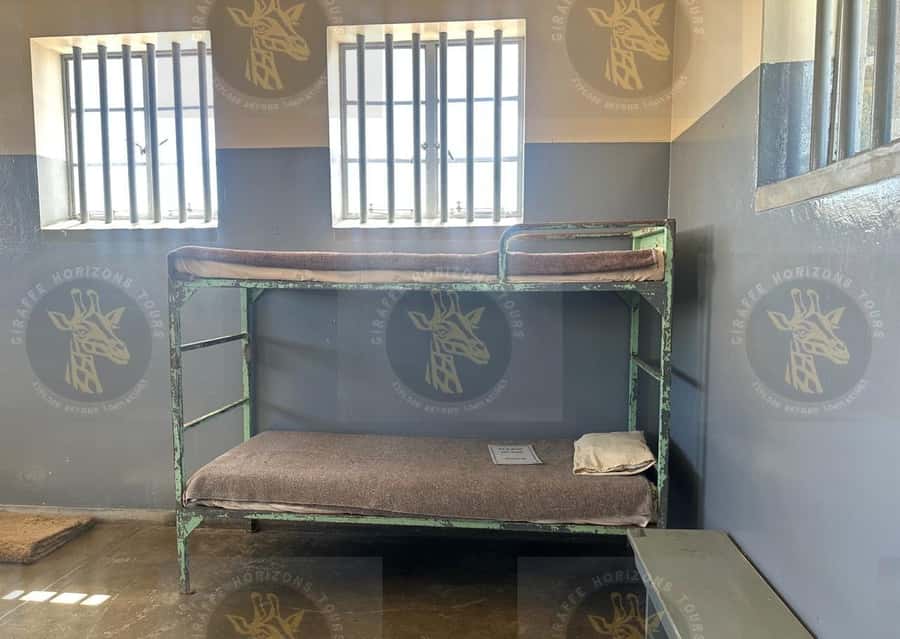
I especially love the island stops that ground the story in place: the lime quarry and Robert Sobukwe’s house, then the emotional stop at Mandela’s former cell. The day keeps tightening the focus from the island’s landscape and systems to what those systems did to people.
One possible drawback: the schedule can feel fast once you’re on the island, and the ferry ride can be rough in windy weather. If you’re prone to motion sickness, bring something to help.
Key things I’d focus on
- Ex-prisoner storytelling: you’re guided through the prison by someone who knows it firsthand (names like Sparks, Toyer, and Terence show up in past guides).
- Priority ferry boarding from the V&A Waterfront: fewer delays at the start makes a big difference on a time-sensitive outing.
- Landmark route on the island: the lime quarry and Robert Sobukwe’s house help you understand the prison ecosystem.
- Maximum-security section + Mandela’s cell: the visit is structured around key sites tied to political imprisonment.
- Museum access without ticket-line waits: skip-the-line helps you spend your energy on the content, not queues.
- Time for views and photos, but not forever: you’ll get scenic moments, yet the day is still timed to the ferry.
In This Review
- Getting to Robben Island: The V&A Waterfront ferry and Nelson Mandela Gateway timing
- Meeting Point reality check: What you must send before you go
- On the island by bus: Lime quarry and Robert Sobukwe’s house
- Maximum-security prison tour: What you see around Mandela’s former cell
- Guided walk and interactive exhibits: How the story sticks
- Return ferry and Cape Town reflection: Views that hit differently after the prison
- Price and value: Is $90 per person worth it?
- Who this tour suits best (and who might want a different pace)
- Practical tips so your day feels smoother
- Should you book this Robben Island prison tour?
- FAQ
- Where is the meeting point for this Robben Island tour?
- How early should I arrive before the ferry departure?
- What’s included in the price?
- How long does the tour take?
- Is the tour wheelchair accessible?
- What details do I need to provide ahead of time?
Getting to Robben Island: The V&A Waterfront ferry and Nelson Mandela Gateway timing
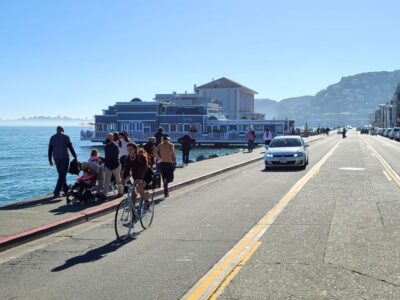
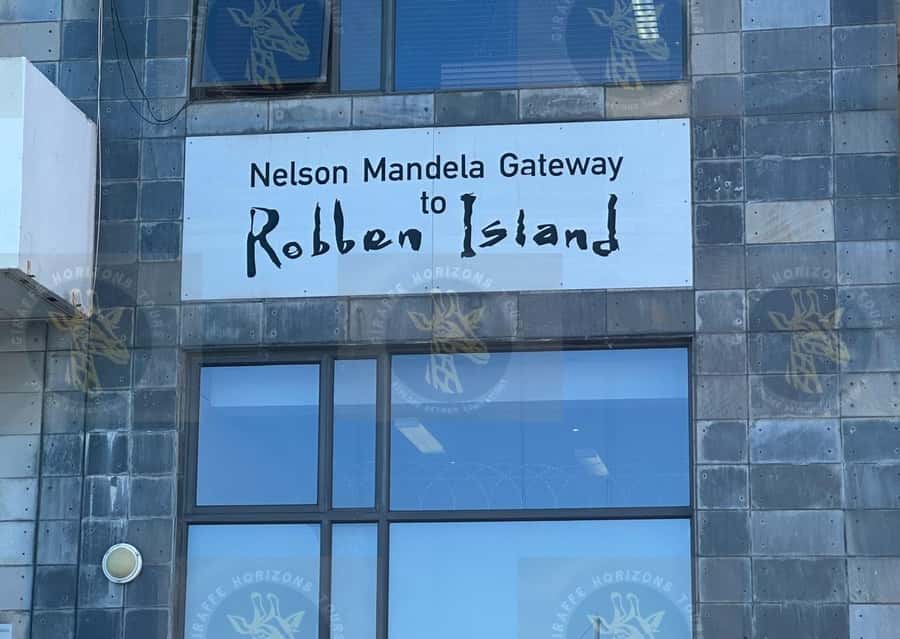
Your day begins at the Nelson Mandela Gateway at the Clock Tower in the V&A Waterfront. The key practical detail is timing: you should board about 45 minutes before departure. That buffer matters because you’re not just catching a boat—you’re also stepping into a guided flow for the whole island portion.
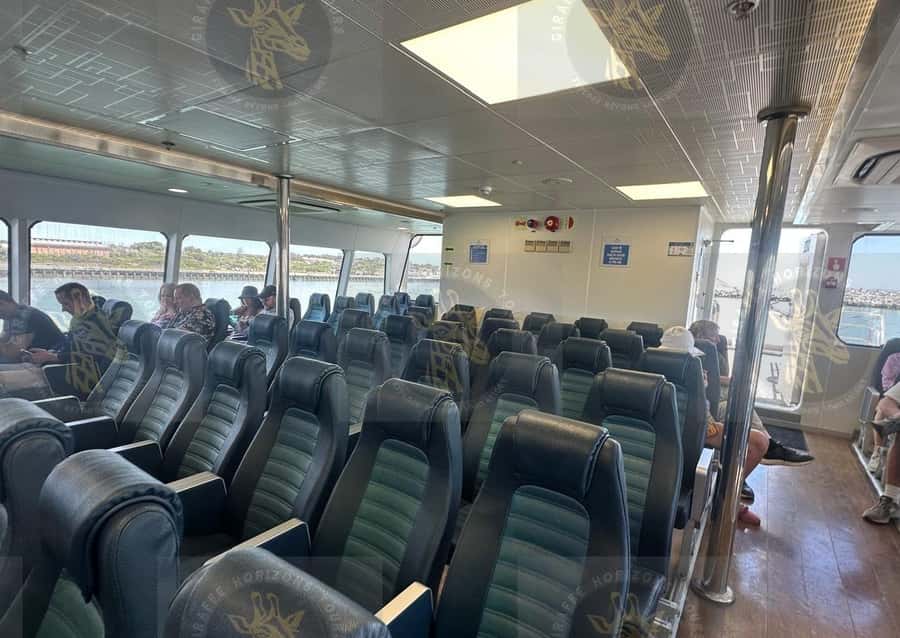
The tour includes round-trip ferry tickets and priority boarding. In real life, that usually means you’re less likely to get stuck watching everyone else go while you’re stuck in a line or sorting out last-minute details. It also sets the tone: once you’re on the ferry, you’re already in motion toward the place where the story happened.
Bring a light layer. The water ride can feel cool, and the wind has a way of finding any gap in your clothes. Also, if you get seasick, this is where you should plan for it early. One past participant noted heavy wind and a miserable ride for many people, including crew. You can’t control the sea, but you can control what’s in your pocket and how you prepare.
Meeting Point reality check: What you must send before you go
This tour uses participant details to issue ferry ticketing through the Robben Island Museum process. That’s why you’re asked for full names for everyone, and for dates of birth for minors under 18. You’ll also need a valid phone number (WhatsApp) or email to receive your ferry ticket information, because the confirmation message you get online isn’t the actual museum-issue ferry ticket.
If anyone in your group is a South African national, you’ll also be asked for their ID number. It’s a small thing on paper, but it can matter a lot operationally. If you’re missing details or they don’t match, you can end up spending the first part of your trip dealing with admin instead of focusing on the island.
So do this before you leave home: double-check spelling (especially names with accents), make sure your contact info works, and send the requested documents fast. It keeps the day smooth—exactly what you want before you head into something as moving as this.
On the island by bus: Lime quarry and Robert Sobukwe’s house
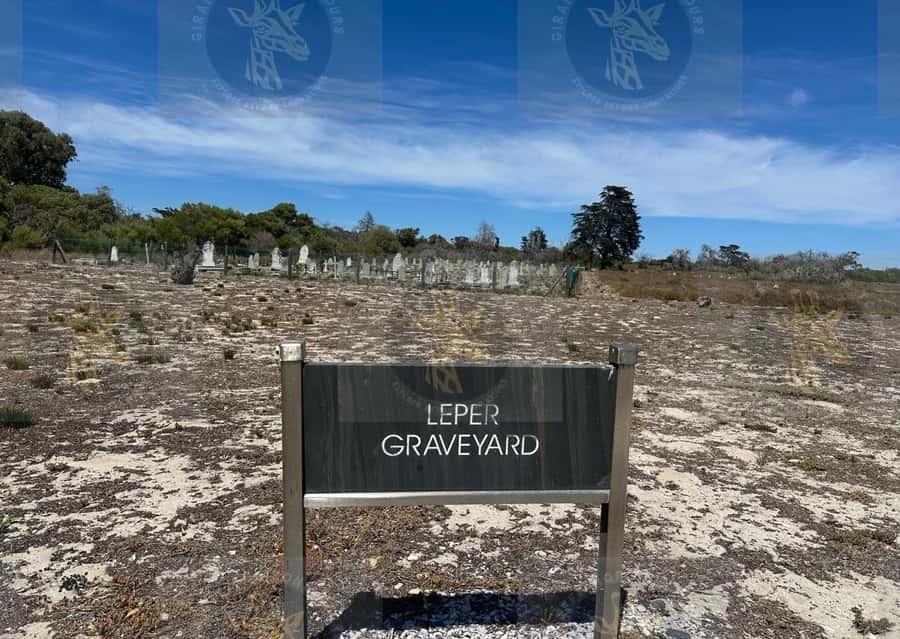
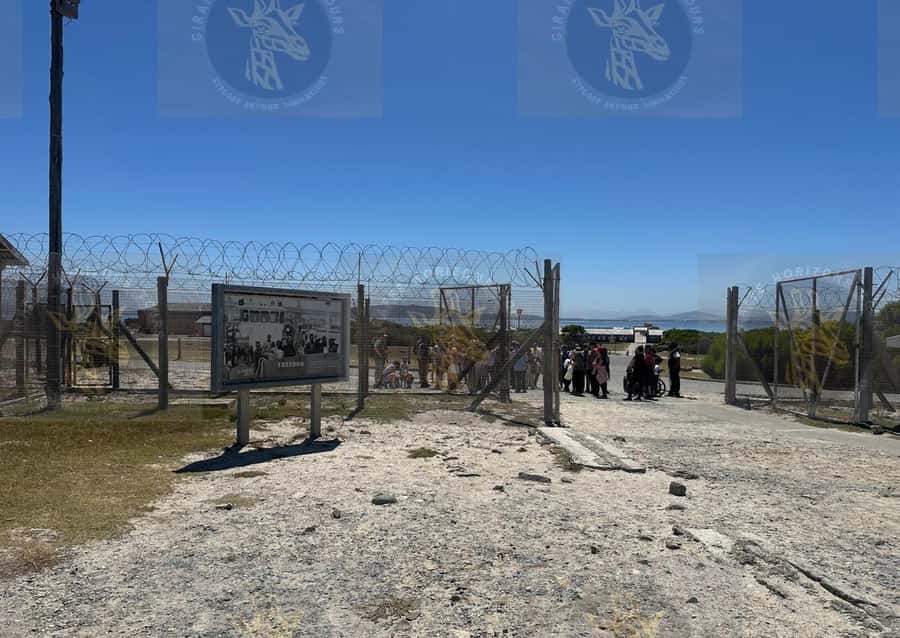
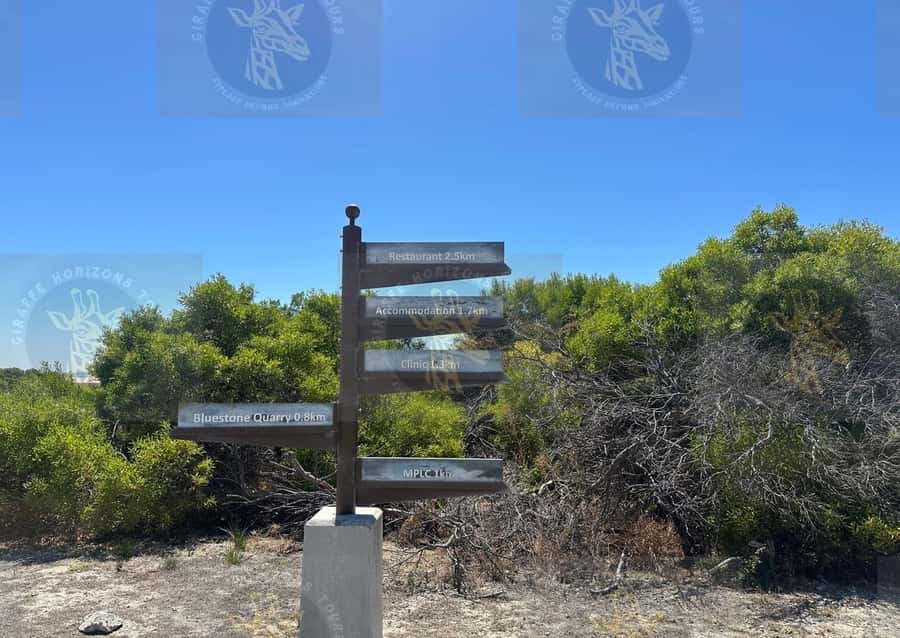
Once you land, you meet your guide, get a clear overview, then move onto a guided bus route for key landmarks. This part is more than sightseeing. It’s how you learn the prison story as a system: where labor happened, where people were housed, and how the island’s geography shaped daily life.
Two stops are specifically highlighted:
- The lime quarry: this is tied to hard labor and the routines that defined punishment for political prisoners.
- Robert Sobukwe’s house: it connects the island to broader freedom-fighter history beyond just one famous name.
What I like about doing the bus segment early is that it gives your brain something concrete to hang onto before the prison sections start. When you later step into maximum-security spaces, you’re not seeing them as random rooms. You’re seeing them as part of a machine with routes, work zones, and surveillance built into daily existence.
The bus portion also sets expectations for group comfort. One past participant described the bus as tight. So if you’re tall or you hate shoulder-to-shoulder seating, you might want to be ready for a snug ride and focus on the story, not comfort.
Maximum-security prison tour: What you see around Mandela’s former cell
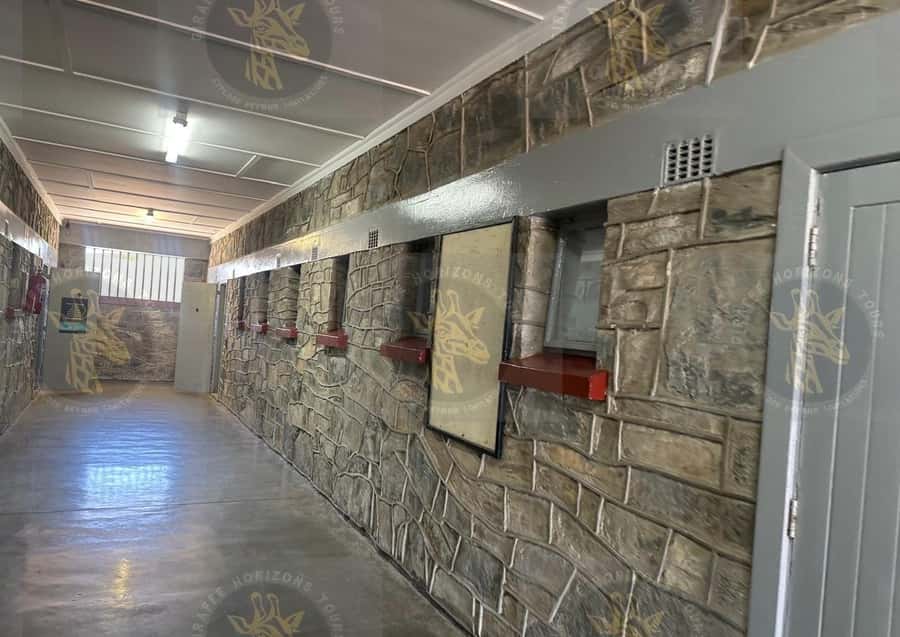
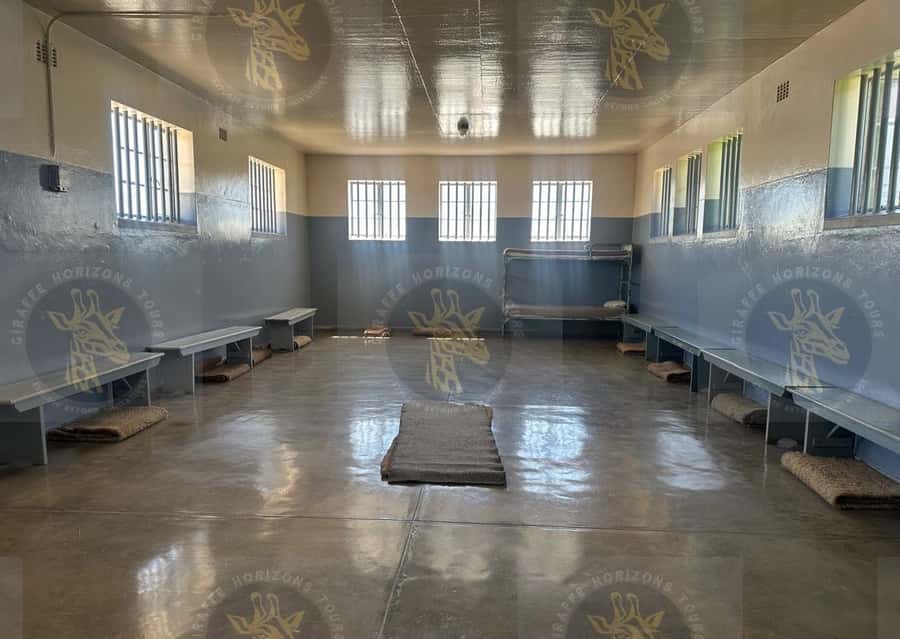
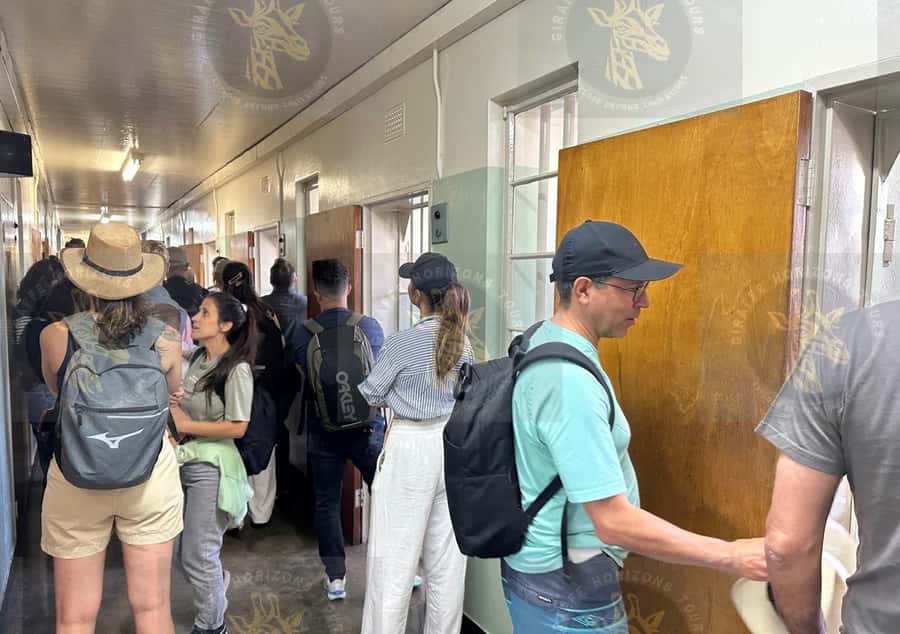
This is the heart of the outing: you enter the maximum-security section, visit Mandela’s former cell, and learn about conditions endured by inmates. The tour isn’t just walk-and-look. It’s structured around a sequence of locations that make the history understandable—and that can be emotionally heavy.
What makes this stop especially powerful is the guide. This tour is led by a former political prisoner, or at least the prison component is guided by an ex-prisoner. That firsthand perspective matters because you can hear the difference between facts and lived experience. Past participants specifically praised ex-prisoners like Sparks, Toyer, and Terence for their clarity and their storytelling ability.
Here’s what you’ll likely notice during the prison portion:
- You move through controlled spaces that feel built for confinement rather than comfort.
- You’re shown how routine and rules shaped people’s days.
- The guide explains what it was like to live under those constraints, not just what the buildings were called.
Also, be prepared for the fact that time can feel tight here. Multiple people noted the experience can be rushed after the prison storytelling, with limited chances for photos or longer question time. That doesn’t mean the tour isn’t worth it—it means you should come with questions in your head, and accept that the schedule is designed to keep pace with ferry timing.
Guided walk and interactive exhibits: How the story sticks

After the key cell visit and maximum-security tour, you’ll join a guided walk through the prison grounds. This walking section is where the guide can connect the dots in a more personal way, because you’re not only in one room or corridor. You’re moving through the environment as a whole.
You’ll also have time for interactive exhibits and displays. This part can help you process what the guide says by giving you context, personal accounts, and supporting details. Think of it like the tour’s “brain and heart together” stage: the guide gives you the human story, and the exhibits help you anchor that story in history.
One thing I’d keep in mind: if you’re the type who wants to linger over every audio station or exhibit panel, the structured route might not give you unlimited time. If you really care about slower museum reading, plan to treat this as a powerful guided experience first, and don’t assume you’ll have hours to wander independently.
Return ferry and Cape Town reflection: Views that hit differently after the prison
When you finish on the island, the tour returns by ferry back to Cape Town, disembarking at the V&A Waterfront. The contrast is real. You go from heavy spaces to open water and city light. That doesn’t erase the prison story—it changes how you see the ocean and the horizon afterward.
You’ll get some chance for scenic photos and a breather, and that matters. If you rush straight into the prison with no break, it can feel like everything is one long emotional wall. The return segment gives you a moment to let the experience settle.
Also watch the practical timing here. In at least one case, people said not everyone was able to board for the return at the same time, leading to a long wait. You can’t predict that every day, but it’s smart to treat the ferry times as fixed and keep your patience with the process.
Price and value: Is $90 per person worth it?
At about $90 per person, this tour isn’t the cheapest way to spend a few hours in Cape Town. But it’s also not overpriced for what you’re buying.
You’re paying for:
- Round-trip ferry tickets included
- Skip-the-line access so you’re not stuck waiting for museum entry
- A guided museum tour of the prison spaces
- The most valuable ingredient: an ex-prisoner guide providing context and firsthand perspective
The ex-prisoner component is the differentiator. Standard “see the site” tours explain history. This one is built around testimony, and testimony changes how you remember what you’re seeing. That’s also why many people rate the experience highly for being emotional and thought provoking.
So my value take is simple: if Robben Island is on your Cape Town list, this is one of the few options where paying more usually makes sense, because it buys access and interpretation—not just transportation.
Who this tour suits best (and who might want a different pace)
This is a strong fit if you want a meaningful, structured visit. It’s ideal for people who:
- care about South African freedom history and want more than surface-level facts
- learn best through storytelling and guided interpretation
- are okay with an itinerary that keeps moving to match ferry schedules
It might be less ideal if you:
- strongly need lots of free time for self-paced museum reading
- hate tight group transportation
- get motion sick easily and don’t want a windy-water risk (even with priority boarding)
Practical tips so your day feels smoother
A few things I’d do before you go, based on common friction points people report:
- Arrive early at the Clock Tower and follow the board-45-minutes-before guidance. It reduces stress.
- Pack something for wind (and consider motion-sickness help if you’re sensitive).
- Wear shoes you don’t mind in cool, possibly damp conditions on the island.
- Decide your photo priorities before you hit the prison section. The schedule can limit lingering.
- Have any group details ready so ticketing doesn’t become your problem at the terminal.
None of this is fancy. It’s just how you protect your attention for a day that deserves it.
Should you book this Robben Island prison tour?
Book it if Robben Island is a must-do for your Cape Town trip and you want the version of the story that’s guided by lived experience. The combination of priority ferry access, skip-the-line entry, and a former political prisoner makes this tour practical and emotionally powerful at the same time.
Skip it (or consider a different format) if you’re mainly looking for a flexible, slow museum browse, or if you know you’ll struggle with rougher ferry rides and tight timing.
If you choose to go, treat the day like a focused visit, not a casual outing. The sights matter. But the real value is how the tour helps you understand what imprisonment meant in everyday life—and how that experience connects to South Africa’s larger story.
FAQ
Where is the meeting point for this Robben Island tour?
You meet at the boat departure line of the Nelson Mandela Gateway to Robben Island, located at the Clock Tower in the V&A Waterfront.
How early should I arrive before the ferry departure?
You should board about 45 minutes before departure.
What’s included in the price?
The tour includes round-trip ferry tickets, skip-the-line museum access, a guided museum tour, and an ex-prisoner as a guide.
How long does the tour take?
The duration is about 210 minutes.
Is the tour wheelchair accessible?
Yes, it is listed as wheelchair accessible.
What details do I need to provide ahead of time?
You need to provide full names for all participants, dates of birth for minors under 18, and a valid phone number (WhatsApp) or email address to receive ferry ticket details. South African nationals also need to provide their ID number.