REVIEW · CAPE TOWN
Cape Town: Robben Island Ferry Ticket and Townships Tour
Book on GetYourGuide →Operated by Sam's Cultural Tours · Bookable on GetYourGuide
Apartheid history meets Mandela’s cell. This day trip pairs a guided look at Cape Town’s townships with a ferry ticket to Robben Island, where Nelson Mandela was imprisoned. I like how the focus stays on real places and real people, from District Six to Langa.
Two things I especially liked: the way District Six gets explained with concrete facts (like the forced removals of about 60,000 residents in the 1970s), and the chance to hear about the country from guides who bring firsthand perspective. On the Robben Island side, you may also encounter an ex-prisoner guide inside the prison, which makes it feel immediate rather than museum-cold.
The main drawback to plan around: the Robben Island ferry is weather- and availability-dependent. If the ferry doesn’t run after the townships tour, you’ll get a chance to reschedule based on availability, or receive a partial refund.
Key highlights worth your attention
- District Six facts you can picture: forced removals in the 1970s, plus the area’s lasting impact
- Langa on foot: a walking tour that moves through hostels, shacks, and community history
- Real-life stops beyond the streets: a shebeen for homemade beer and a traditional healer visit
- Bonteheuwel and Gugulethu memorials: the apartheid-era “colored” designation and the Gugulethu 7 story
- Robben Island with former-prisoner context: the prison experience often benefits from first-hand narration
In This Review
- District Six to Langa: seeing apartheid’s map in person
- Langa walking tour: hostels, shacks, and Robert Sobukwe’s monument
- Shebeen stops and traditional healing: beer making and a shaman’s office
- Bonteheuwel and Gugulethu: memorials that explain the cost of division
- V&A Waterfront ferry handoff: your ticket to Robben Island
- Robben Island prison time with former-prisoner context
- What $89 covers: ferry ticket plus private minivan value
- Safety, group size, and what to pack for a comfort-smart day
- Who this tour fits best in Cape Town
- Should you book this Robben Island + townships tour?
- FAQ
- Is the Robben Island ferry ticket included?
- Where does the tour end?
- Is the tour mostly walking?
- What if the ferry is canceled due to weather?
- What ID do I need?
- What is the cancellation policy?
District Six to Langa: seeing apartheid’s map in person
Cape Town is a city of contrasts, and this tour helps you read them instead of just staring. You start in the guided townships portion, driving through District Six and learning how apartheid shaped where people could live, move, and build community. It’s not abstract politics; it shows up in streets, layouts, and the emotional weight of displacement.
One of the smartest parts of the morning is that the tour doesn’t rush you past the basics. District Six is framed by what happened in the 1970s, when around 60,000 inhabitants were forcibly removed by the apartheid regime. Even if you’ve read about apartheid, it lands differently when your guide points to the pieces of the story you’re physically standing near.
You’ll then head toward Langa, where the tone shifts from “this is what was done” to “this is what it meant for daily life.” Expect an air-conditioned minivan ride between sites, but once you reach the walking portion, the day becomes more grounded and hands-on.
Langa walking tour: hostels, shacks, and Robert Sobukwe’s monument
The Langa segment is the heart of the township experience for many people, and it’s why I’d wear shoes you trust. You’ll take a walking tour through areas linked to how families lived under apartheid—hostels and shacks are part of the explanation. Your guide talks through the day-to-day reality: what housing looked like, how communities organized, and how the past still echoes today.
You can also expect key landmarks tied to South African political history. The tour includes stops like the Old Pass Office and the monument to Robert Sobukwe. Those names matter because they connect apartheid policy to real people who pushed back against it.
Walking here is described as moderate, but the practical takeaway is simple: don’t show up in brand-new sneakers or fashion footwear. There’s enough on-foot time that you’ll feel it later, and you’ll want to focus on listening, not on your feet.
Shebeen stops and traditional healing: beer making and a shaman’s office
This tour earns real credit for going beyond “look but don’t touch.” In Langa, you’ll step into community life in ways that aren’t just photo opportunities. One of the most memorable moments is a visit to a shebeen, essentially a local pub, where you can try homemade beer.
You’ll also see beer-making as a process, not just as a product. I like this because it reframes stereotypes: people aren’t only defined by poverty or protest history. They also build culture, hospitality, and routines that keep communities alive.
Then comes a traditional healer visit. The idea isn’t to turn traditional medicine into a theme-park attraction. You’re there to observe and learn how healing and belief can work in everyday life. Based on guide narration, your stop may include a healer explaining what they do and how it’s understood locally. Even if you’re skeptical, it’s a fascinating glimpse into how knowledge travels through generations.
Bonteheuwel and Gugulethu: memorials that explain the cost of division
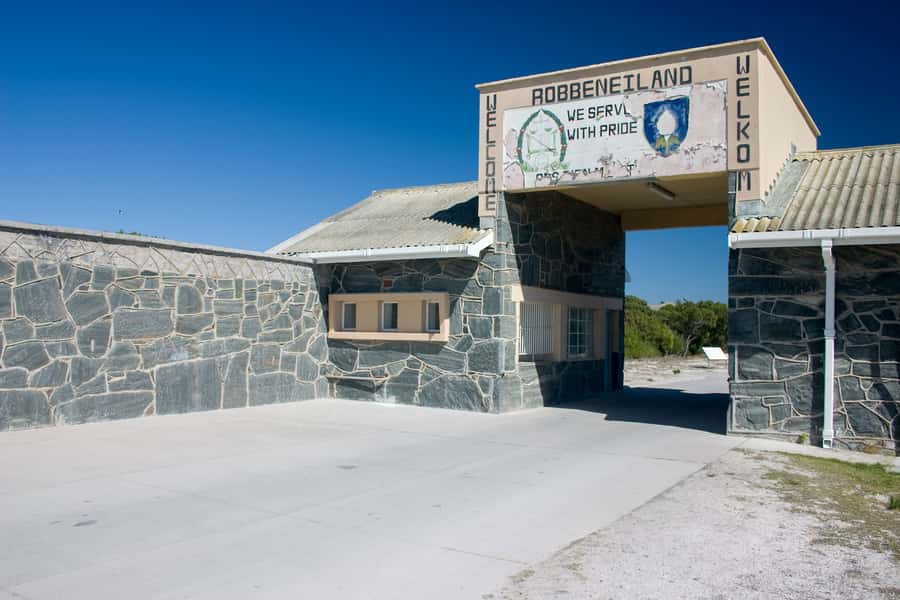
After Langa, the tour moves by road through other key townships, including Bonteheuwel. This area is described as being reserved for the “colored” community during apartheid. Your guide will connect that segregation to how people were divided by law, and how those divisions still affect the communities today.
From there, you head toward Gugulethu, where you visit memorials tied to anti-apartheid violence. You’ll see the Gugulethu 7 Memorial for members of an anti-apartheid group killed by South African Police in 1986. You’ll also see a memorial to Amy Biehl, an American student murdered by PAC supporters in 1993.
These stops are heavy, and they can also be clarifying. If you’re trying to understand apartheid as something bigger than a timeline, memorials help you see the human stakes. You’re not just hearing what policies were; you’re learning who paid the price.
V&A Waterfront ferry handoff: your ticket to Robben Island

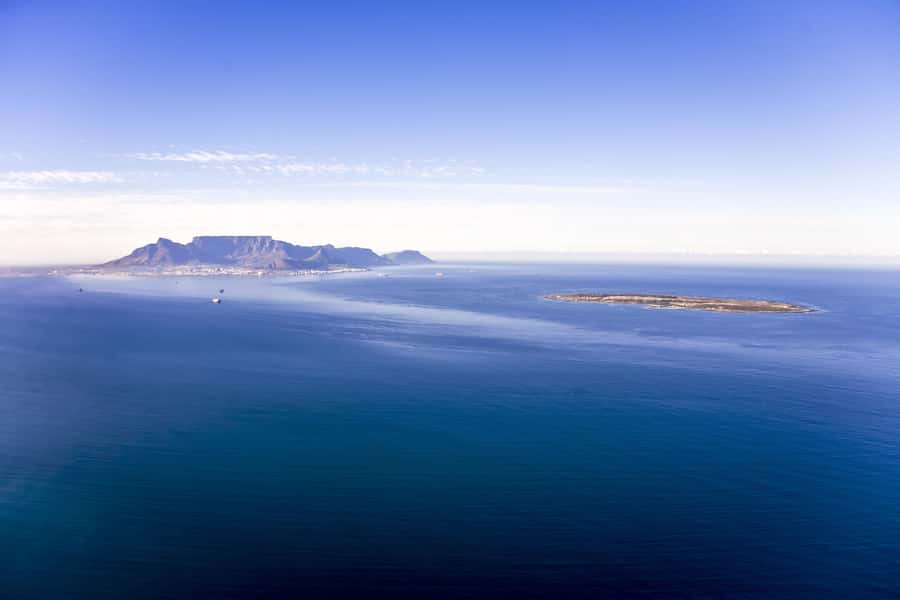
After the township portion, you’re dropped off at the V&A Waterfront area to take your ferry to Robben Island. The key detail: the Robben Island ticket is included, but you explore Robben Island after that on your own.
This matters for planning your day. You’ll want to build in a little buffer time for the ferry, queues, and getting to the right start point once you arrive. The tour does not include hotel drop-off afterward, so you’ll need a plan to get back from the island departure area to your lodging.
Also, remember weather can affect your ferry. The tour notes that Robben Island is subject to availability and weather conditions. In real terms, that means you should pack a layer and keep an eye on wind and temperature.
Robben Island prison time with former-prisoner context

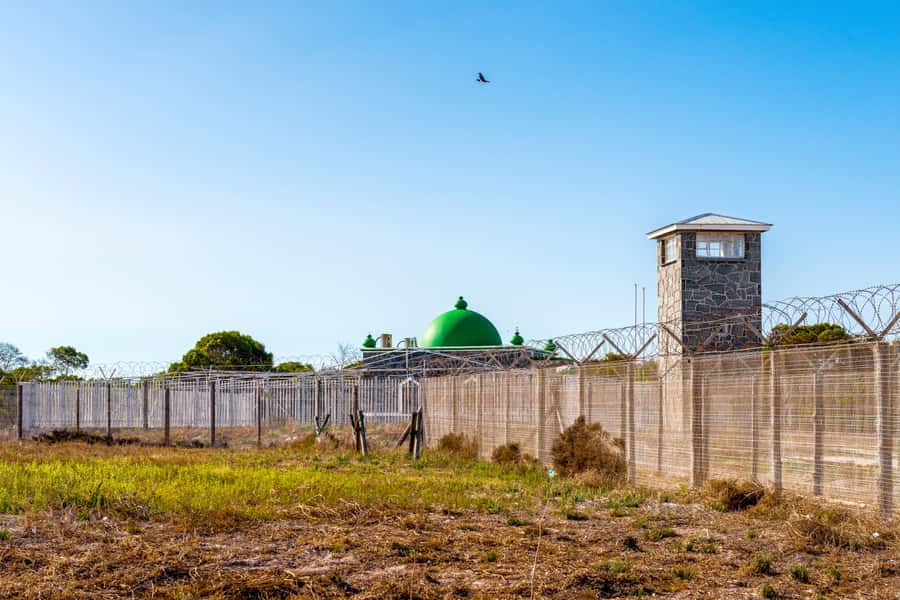
Robben Island is one of those places you can’t really “do casually.” Even if you’ve seen photos or documentaries, the prison experience hits differently when you hear the story in the places where it happened.
Many departures include a strong storytelling element inside the prison. Several experiences mention an ex-political prisoner guiding the prison portion, with examples including someone named Sipho. When you get that first-hand perspective, the place feels less like history and more like testimony.
You may also experience a bus-based tour around parts of the island, plus time to process what you’ve learned. Some people find the prison portion emotionally intense and wish they had longer at exhibits. If you’re the type who reads every interpretive panel, I’d manage expectations: the day is structured, and the pace can feel a little regimented.
One practical note from the experience: bring a second layer. Robben Island can be very windy, and you’ll be outdoors enough that cold discomfort can distract you from the meaning of the visit.
What $89 covers: ferry ticket plus private minivan value

At $89 per person, you’re paying for more than a ticket. The tour includes hotel pick-up, private transportation in an air-conditioned minivan, a driver/guide, and the Robben Island ferry ticket.
That combination is often where you get value. If you tried to stitch this day together on your own, you’d likely spend time figuring out separate bookings and transport—plus you’d miss the guided context that connects townships history to what you’ll see on Robben Island.
To be fair, value isn’t only about cost. It’s also about pacing and time. A few experiences mention Robben Island can feel a bit rushed, and there’s not always much extra time for lingering in every exhibit space. So you’re buying context first, and a timed visit second.
Another value factor: the tour includes built-in stops where you can support local businesses and markets. That doesn’t mean you have to buy everything, but it does mean your money can stay in the community if you choose to.
Safety, group size, and what to pack for a comfort-smart day
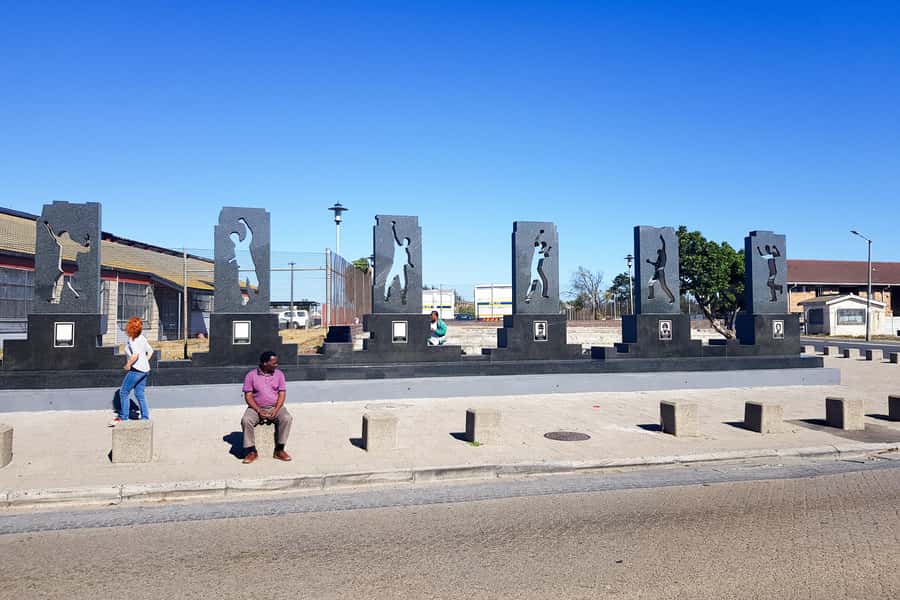
A lot of people worry about safety when they hear the word township. What matters here is how the tour is run: the townships portion is guided with careful group management, and multiple experiences describe feeling safe with the guides watching out and giving clear direction.
Group size varies by portion. The township part is done in a minivan and can feel relatively contained, while Robben Island can be in larger groups once you get there. If you’re hard of hearing or really rely on clear audio, this is worth factoring in, because a few people noted difficulty hearing Robben Island guides depending on translation or seating.
Pack for comfort and listening:
- Wear comfortable walking shoes for the Langa walk
- Bring a layer for Robben Island wind
- Carry a small amount of cash if you want to buy crafts or support a local market stop
For ID, the tour says you can use a passport or ID card, and a copy is accepted. That’s one less thing to stress about.
Who this tour fits best in Cape Town
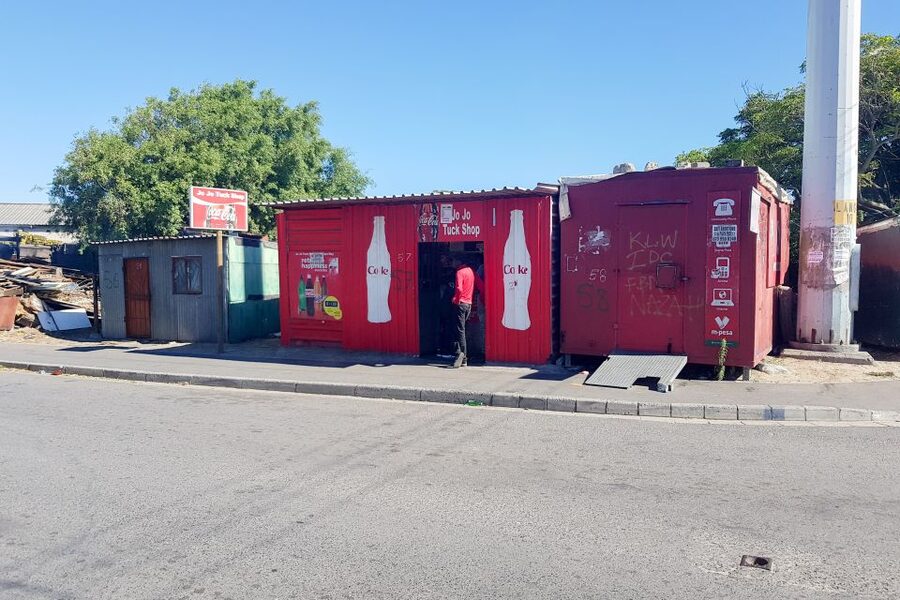
This is a strong choice if you want Cape Town beyond scenery. If you’re the kind of traveler who wants to understand how apartheid shaped the city and how communities live with the legacy today, the tour gives you a clear route through the story.
It’s also a good fit if you like guided explanation that connects landmarks to meaning. The tour includes named sites like the Old Pass Office and the Robert Sobukwe monument, plus memorial visits in Gugulethu that put names and dates into context.
I’d think twice if you hate walking, need lots of free time to wander, or expect a totally relaxed pace on Robben Island. There is moderate walking in the townships, and Robben Island can feel structured once you’re inside the prison and moving between program parts.
If you’re traveling solo, this can still work well. Several experiences mention solo travelers feeling safe and well looked after, helped by the consistent guidance from the driver/guide and local guides.
Should you book this Robben Island + townships tour?
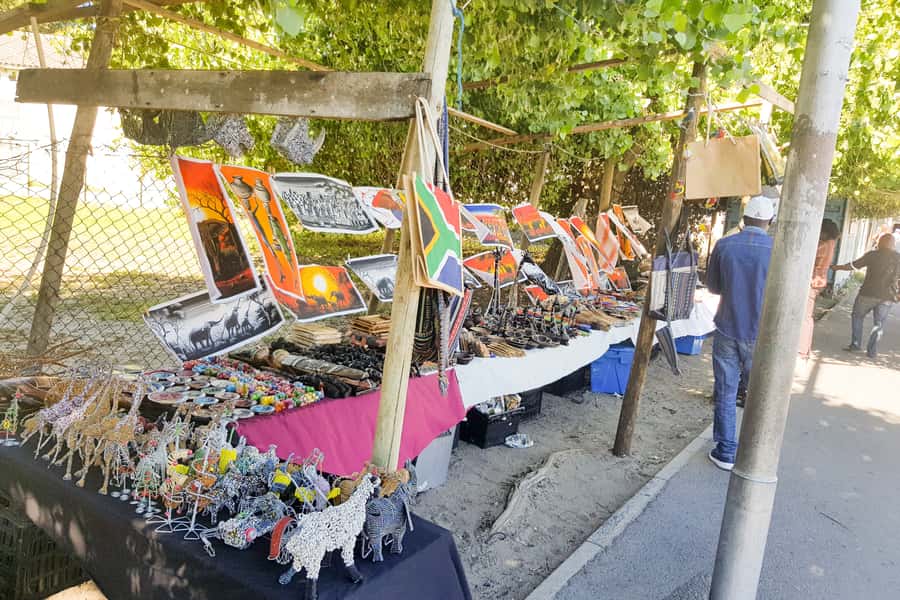
I think you should book it if you want the most direct, guided path from apartheid-era forced removals to Mandela’s prison—and you’re okay with a day that’s more educational than casual. The value comes from the mix of context + access, including the township walk, the community-life stops like beer making and a traditional healer visit, and the ferry ticket that keeps Robben Island from becoming an extra hassle.
If you’re the type who counts time in minutes and hates feeling rushed, plan for the possibility that Robben Island won’t feel leisurely. And if ferry weather causes a schedule shift, that’s part of the reality of the island.
Bottom line: this is a powerful combo tour. If you’re ready for a day that’s honest about history and still grounded in everyday community life, you’ll likely feel it long after you’re back in Cape Town.
FAQ
Is the Robben Island ferry ticket included?
Yes. The tour includes the Robben Island ferry ticket, and after the township portion you’re dropped off at the Robben Island ferry gateway area at the V&A Waterfront.
Where does the tour end?
The tour ends at the Robben Island ferry gateway at the V&A Waterfront. From there, you make your own way back to your hotel.
Is the tour mostly walking?
There’s a moderate amount of walking involved, including a walking tour in Langa. Wear comfortable shoes because you’ll be on your feet during parts of the township visit.
What if the ferry is canceled due to weather?
The Robben Island ticket is subject to availability and weather. If the ferry gets canceled after the township tour has taken place, you’ll be offered a chance to reschedule based on availability or receive a partial refund.
What ID do I need?
Bring your passport or ID card. A copy is accepted.
What is the cancellation policy?
You can cancel up to 3 days in advance for a full refund.