REVIEW · CAPE TOWN
Cape Town: Robben Island ferry ticket plus Guided Tour
Book on GetYourGuide →Operated by Flamboyant Travel & Tours · Bookable on GetYourGuide
A prison tour hits differently when you hear it in person. This one pairs skip-the-line ferry access with an ex-inmate guide, and you’ll see the cell where Nelson Mandela was held. The main thing to watch: the day can include waiting time, especially around ferry departures back to the mainland.
You’re looking at a 30-minute boat ride each way from the Nelson Mandela Gateway, plus a guided museum walk that brings key sites on the island to life. Expect stops like the leprosy graveyard, Lime Quarry, Robert Sobukwe’s house, and the maximum-security prison grounds.
One more practical note before you plan your timing: there’s no hotel pickup. You’ll want to be at the meeting point early with valid ID, since you’re going through museum and passenger checks.
In This Review
- Key things I’d highlight before you go
- Ferry out of Cape Town: the calm start that matters
- Why an ex-inmate guide changes everything
- Museum stops that turn into real places: leprosy graveyard, quarry, Sobukwe’s house
- The leprosy graveyard
- Lime Quarry
- Robert Sobukwe’s house
- Maximum Security Prison: where the walls explain the system
- Nelson Mandela’s prison cell: the moment people remember
- Timing and group flow: 4 hours is doable, but plan buffer
- Price and value: what your $71 is really paying for
- What you should bring: ID checks are part of the experience
- Who should book this Robben Island tour?
- Should you book it?
- FAQ
- FAQ
- Where is the meeting point for this tour?
- How long does the tour take?
- What’s included with the ticket?
- Do I need a passport or ID card?
- Is there hotel pickup or drop-off?
- What language is the guided tour in?
Key things I’d highlight before you go
- Skip-the-line ferry ticket: you head straight to the boat queue instead of spending time buying paperwork
- Ex-inmate guide: you learn the story through first-hand experience, not just a script
- 30-minute ferry ride: you get time for Cape Town and Table Mountain views before the tour starts
- Landmarks you can’t Google your way through: leprosy graveyard, Lime Quarry, and Robert Sobukwe’s house
- Mandela’s actual prison cell: the visit ends with a direct, sobering connection to a global icon
- A tight total day plan: about 4 hours means you should keep other activities flexible
Ferry out of Cape Town: the calm start that matters
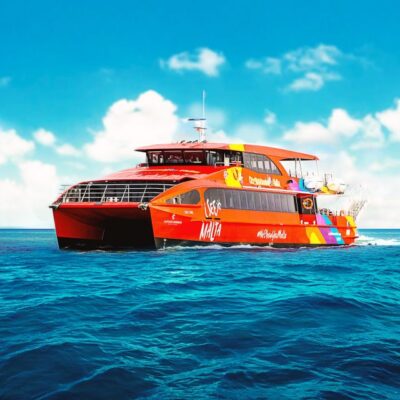
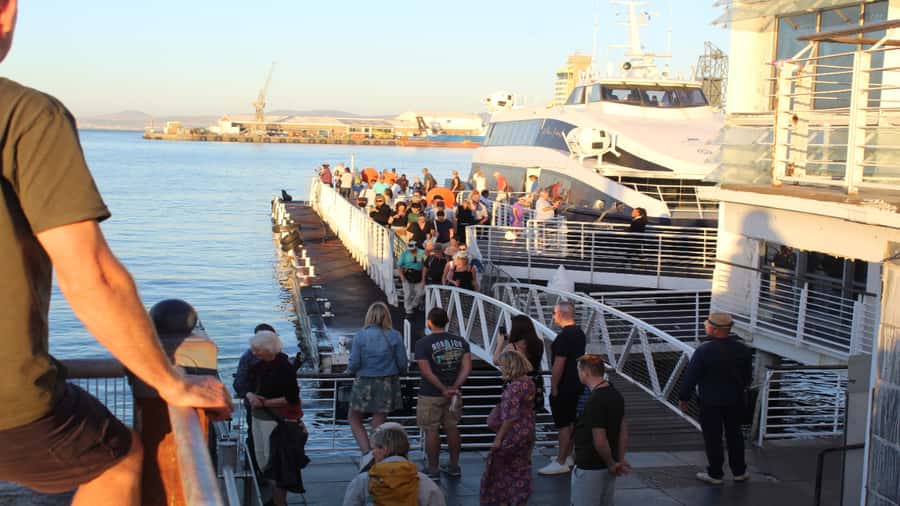
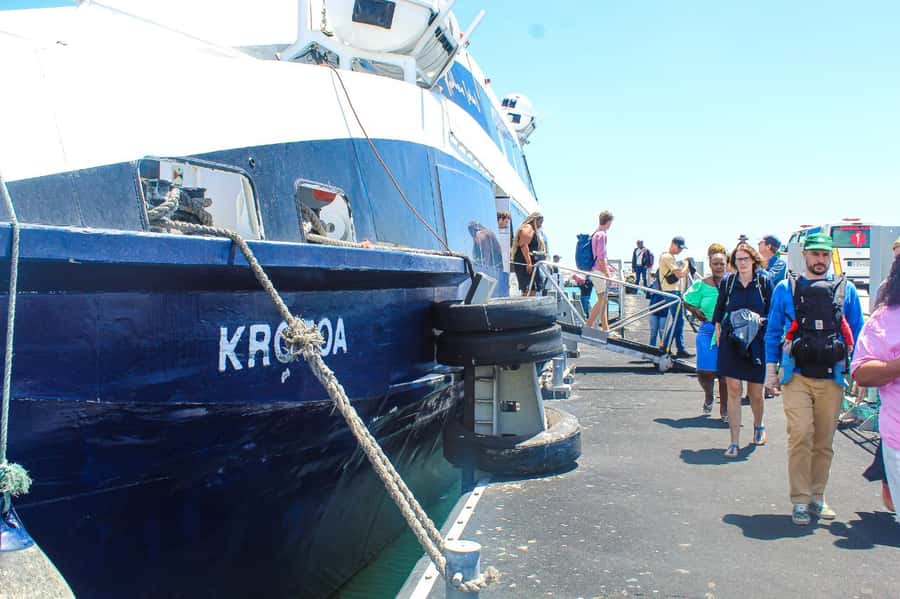
The day begins at the Nelson Mandela Gateway. You’ll head directly to the queue for boat departures, since your Robben Island ferry ticket is set up to help you avoid the longer ticketing line. That convenience matters here because Robben Island can be busy, and the earlier you get organized, the easier it is to settle into the experience.
The ferry ride itself is about 30 minutes each way. This is not just transport time. You’ll pass by Cape Town’s coastline while Table Mountain is on your horizon, and that contrast is part of what makes the visit hit harder. You go from a scenic, everyday waterfront into a place built for punishment and control.
If you tend to get seasick, this is where you should be smart. The tour info doesn’t mention weather gear or specific boat details, so I’d bring your usual motion-sickness plan if you need one. Even a short ferry can feel longer when you’re uncomfortable.
Why an ex-inmate guide changes everything
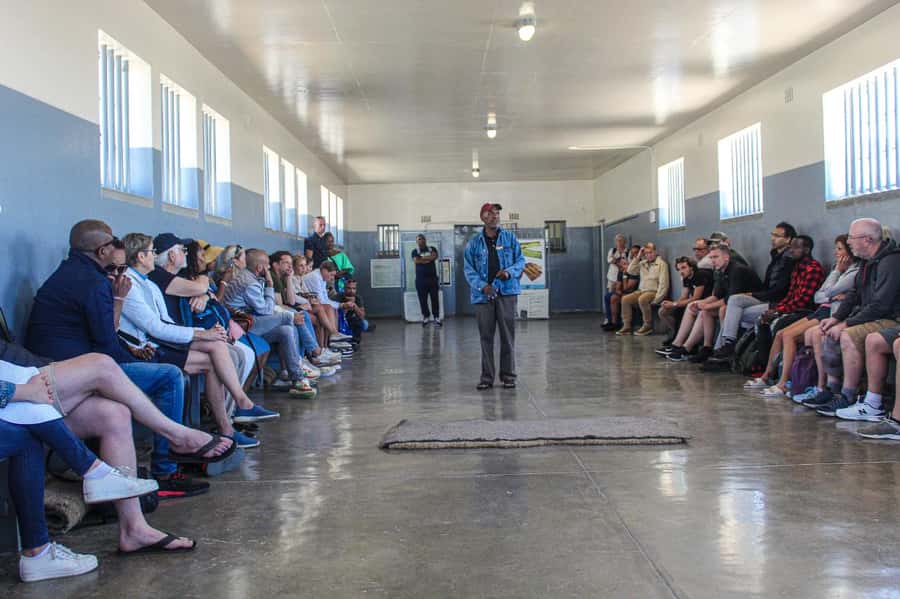
A guided tour with a former political prisoner (your tour guide is an ex-inmate) is the big reason to pick this experience. The island’s story isn’t only about dates and buildings. It’s about what it felt like when the system controlled daily life, movement, and hope.
In a place like Robben Island, you’ll often hear emotion in the facts. That’s exactly what this tour is designed to deliver: first-hand stories tied directly to what you’re standing near. The guide can point to small details and explain what they meant to the people inside, which is hard to replicate with a standard museum audio route.
A word on pacing. Spoken tours can vary a lot depending on the guide and the day. I’d plan to stay focused from the first stop. If you’re the type who gets lost when someone talks quickly, it helps to go in with a simple attitude: listen first, ask questions if there’s a chance, and don’t worry about absorbing every sentence.
Museum stops that turn into real places: leprosy graveyard, quarry, Sobukwe’s house
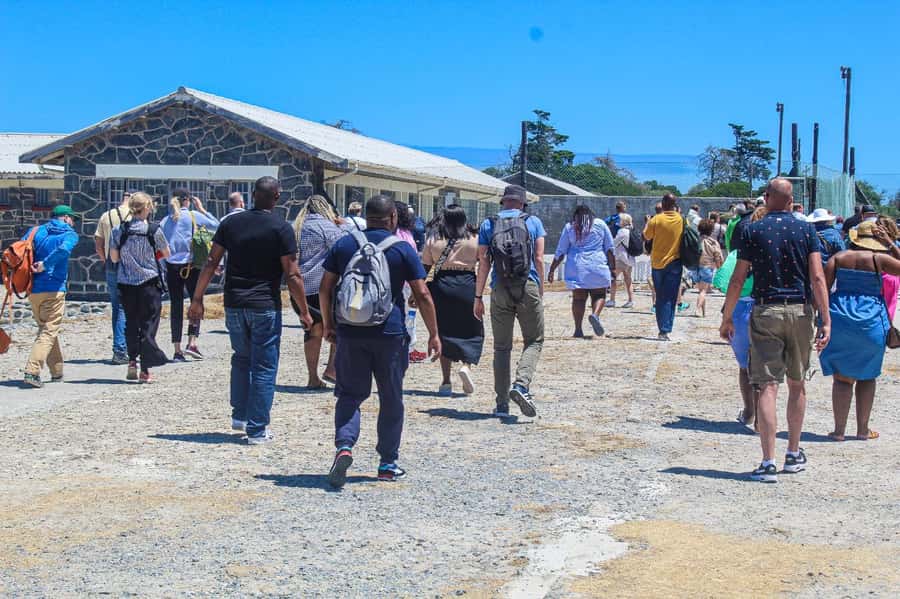
Once you land on Robben Island, the tour moves through several landmarks that each add a different layer to the story.
The leprosy graveyard
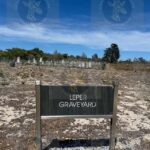
The leprosy graveyard is one of those locations that shifts the mood immediately. Even if you know the broad context of South Africa’s history, this stop emphasizes how suffering and illness were also managed through isolation and policy. It’s not a “sight” in the normal vacation sense. It’s a reminder that the island’s impact wasn’t limited to prison life.
When you’re here, slow down. Take a minute before you listen to the explanation. Let the place do its job. This is where you feel the human cost most sharply.
Lime Quarry
Lime Quarry is associated with the work prisoners were forced to do. In prison history, forced labor often shows up as a line item. Here, it’s treated as part of daily reality, which makes it easier to understand how the system worked, not just what happened.
You’ll get a sense of why the quarry mattered operationally and what it meant physically for those doing the work. The guided element is what turns the space into a story you can grasp in seconds, instead of something you can only picture vaguely.
Robert Sobukwe’s house
Robert Sobukwe is a key figure in the anti-apartheid story, and his house on the island grounds gives you a location-based connection to that legacy. It’s easy for important people to become abstract when you’re traveling. Having a concrete place to stand changes that.
On this stop, pay attention to how the guide ties Sobukwe’s experience to the broader system of confinement and control. Even if you already read about him, the island’s physical geography can help those facts lock into place.
Maximum Security Prison: where the walls explain the system
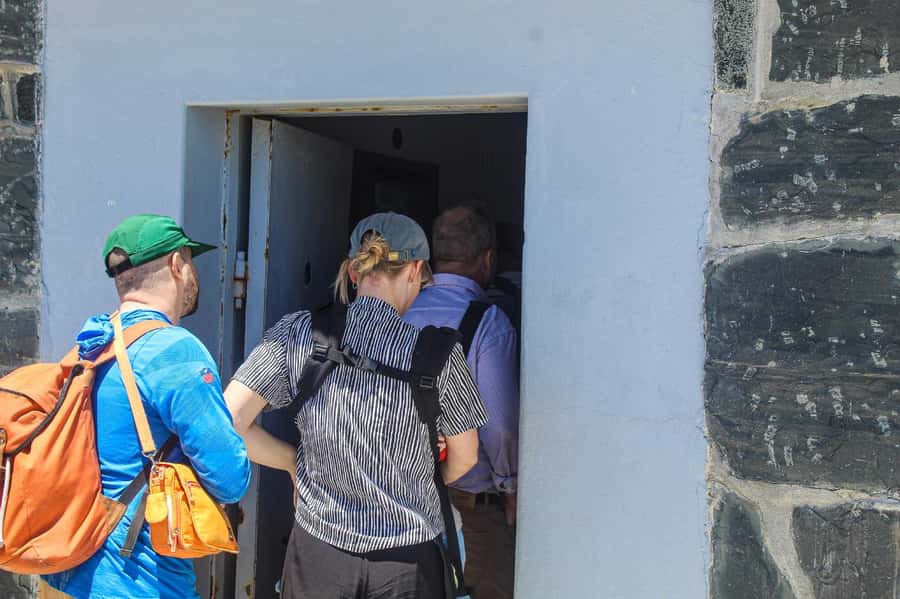
The heart of the experience is the maximum-security prison section. This is where the island’s purpose becomes unmistakable.
Expect a serious walk-through style of tour with explanations that connect architecture and rules to human behavior. You’re seeing a built environment designed to limit communication, movement, and dignity. That design is what makes the story so powerful. It’s not only what people suffered; it’s how the prison structure was meant to shape lives.
Take your time here. Don’t rush for photos. Yes, you’ll likely want a few images for memory. But the real value is listening and letting the scale and layout land.
Nelson Mandela’s prison cell: the moment people remember
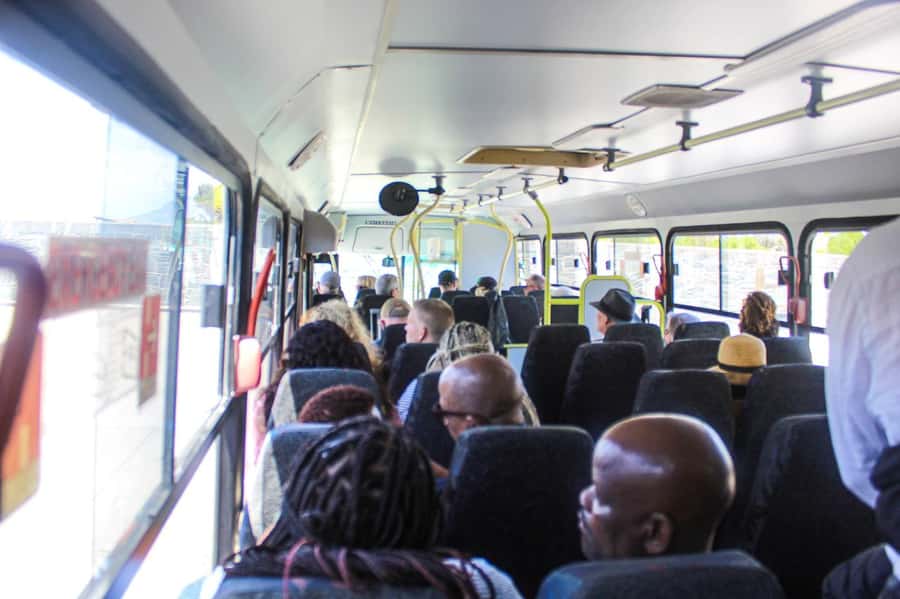
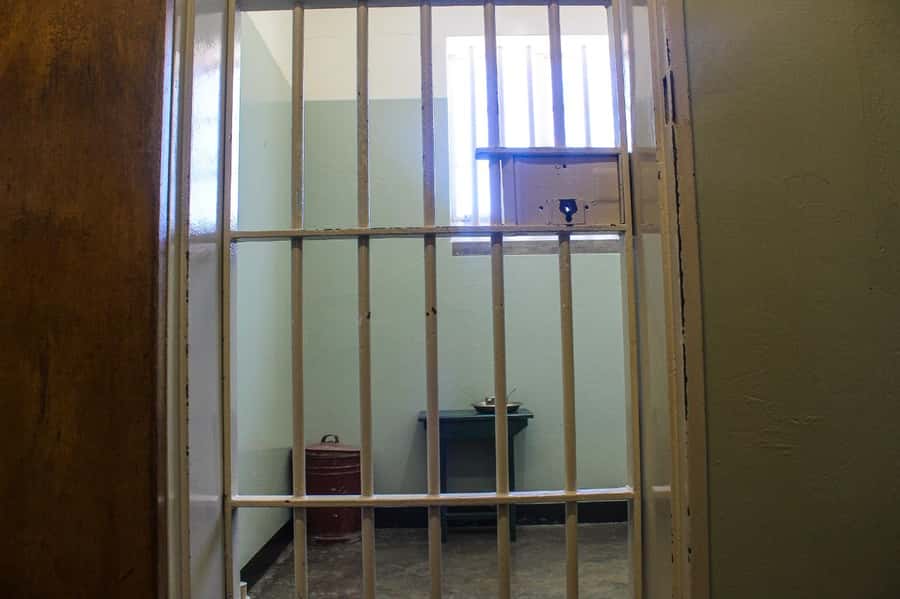
The tour culminates with a visit to Nelson Mandela’s iconic prison cell. This is one of those moments where the setting does most of the emotional work. You can read about Mandela’s resilience anywhere in the world, but seeing the actual cell is a very different experience.
Think of this as the emotional anchor of the day. Everything you’ve heard up to this point becomes more personal because you’re looking at a specific space connected to a specific person. If you take in one stop fully, let it be this one.
Also, keep your posture realistic. You may be in areas with limited mobility access depending on how crowd flow works that day. The tour info doesn’t give accessibility details, so if you have mobility concerns, it’s worth considering in advance and asking your operator what the route looks like.
Timing and group flow: 4 hours is doable, but plan buffer
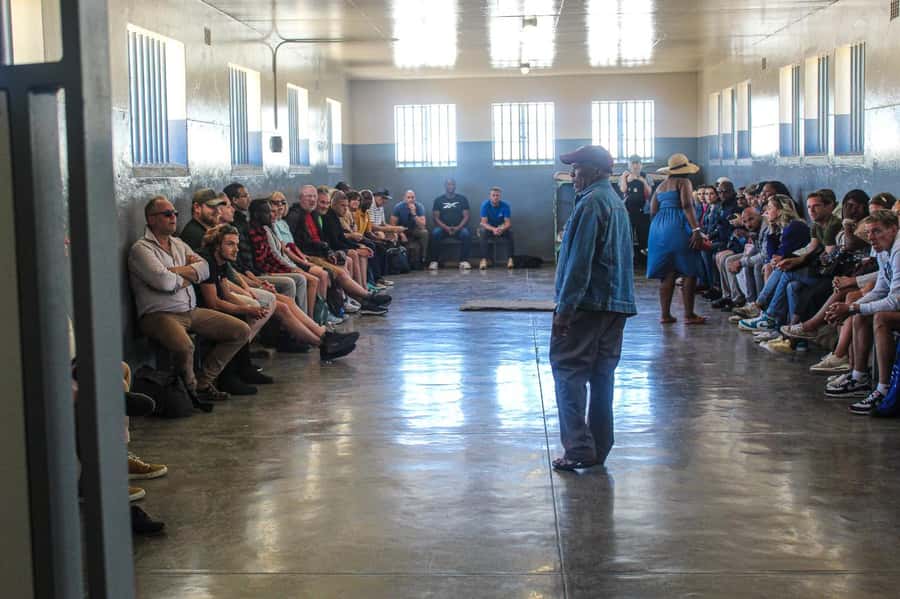
The total duration is listed as about 4 hours. That’s a helpful timeframe if you’re trying to fit Robben Island into a Cape Town itinerary without losing your whole day.
Here’s the practical rhythm: ferry out, guided tour on the island, then ferry back. The ferry ride is short enough that you’ll still feel fresh, but the full day is still long enough that you’ll want to dress for comfort. Comfortable shoes matter. Comfortable clothes matter more than you’d think, because you’ll be standing and walking during the museum tour.
One more thing: boat operations can add delay. The tour information doesn’t promise a specific return-departure sequence beyond the overall schedule. So build in a buffer after the tour if you have dinner plans or another booking later that day.
Price and value: what your $71 is really paying for
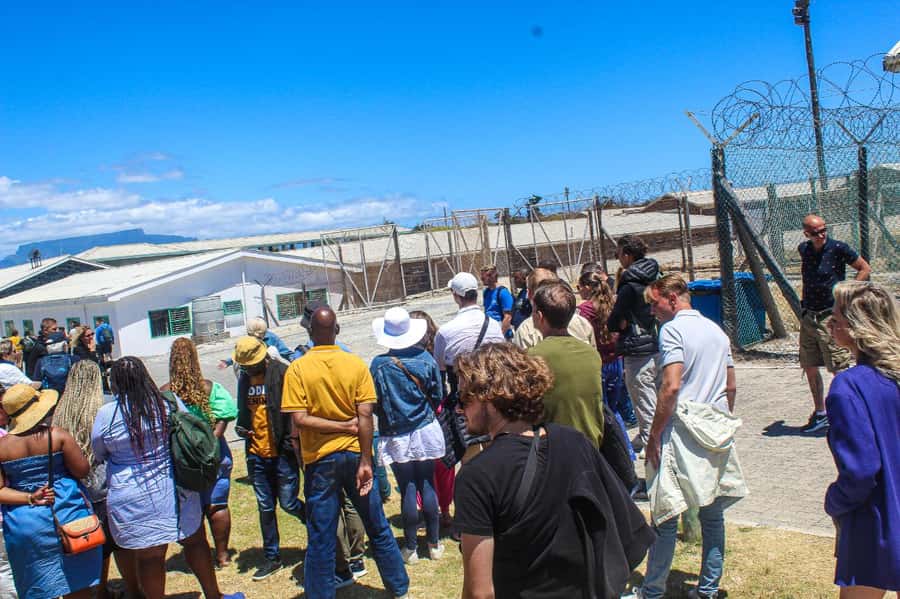
The price is listed at $71 per person, and the value is not just the ferry.
Your included items are the core value drivers:
- Robben Island ferry ticket with skip-the-ticketing-line access
- 30-minute ferry ride to and from the island
- Robben Island Museum admission
- Guided tour of the museum
- Ex-inmate guide
That combination matters. If you tried to piece this together separately, you’d likely spend more time coordinating and waiting. Here, you’re paying for an efficient flow plus a guide with first-hand perspective.
Is it expensive? Relative to a self-guided day, yes. Relative to the kind of tour you’re getting—guided museum access plus an ex-inmate—it’s reasonable. The guide component is the big differentiator. It’s what turns “museum visit” into a story tied to real lived experience.
What you should bring: ID checks are part of the experience
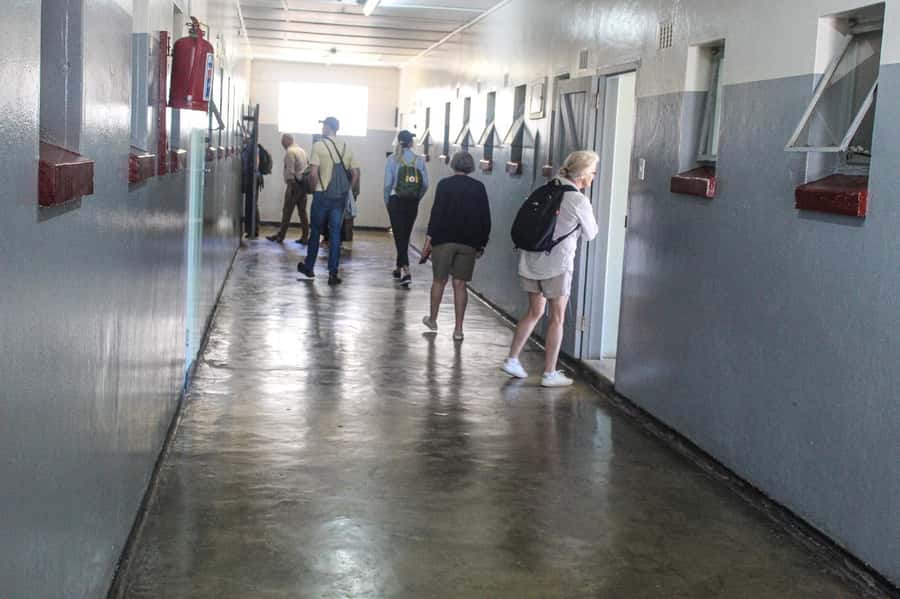
For this tour, your main prep job is ID. The tour asks you to bring:
- Passport or ID card
- For children: passport or ID card, and the operator requires the child’s ID details for booking
- Copies can be accepted: bring a copy if needed
Also, you need to provide full names, surnames, and nationalities for all travelers on your booking. Children need a Date of Birth. Do this early. It’s the kind of paperwork step that’s easy to ignore until the day you’re standing at a check point.
Comfort items are also worth packing:
- Comfortable shoes for walking
- Comfortable clothes for the time outdoors and in museum spaces
If you’re the type who likes a snack or water plan, note that food and drinks aren’t included. So bring what you need if you want to stay comfortable during the day.
Who should book this Robben Island tour?
This is a great fit if you want meaning, not just sightseeing. You’ll likely enjoy it if:
- You like guided history that’s grounded in real experience
- You want to see specific, named sites (leprosy graveyard, Lime Quarry, Sobukwe’s house)
- You care about understanding how apartheid-era confinement worked day-to-day
- You want the added weight of seeing Mandela’s cell on site
You might think twice if:
- You hate structured tours with speaking you must follow closely
- You’re trying to do Robben Island as a quick photo stop
- You’re extremely sensitive to waiting around ferry schedules
In short: this is history you should take seriously, even if you try to keep your own pace through the day.
Should you book it?
If you want Robben Island with the best ingredient you can’t fake—an ex-inmate guide—then yes, this is the kind of tour I’d recommend. The skip-the-line ferry access helps you get moving faster, and the included museum admission plus guided walk makes the time feel well used within a 4-hour window.
Just do three things before you go: confirm your ID details are correct, show up at the Nelson Mandela Gateway early (at least 30 minutes before departure), and keep your afternoon flexible in case you need extra time waiting for the return ferry.
FAQ
FAQ
Where is the meeting point for this tour?
You meet at the Nelson Mandela Gateway to Robben Island. You should head straight to the queue for boat departures.
How long does the tour take?
The duration is about 4 hours in total.
What’s included with the ticket?
You get a Robben Island ferry ticket (with skip-the-ticketing line), a 30-minute ferry ride to and from the island, Robben Island Museum admission, a guided tour, and an ex-inmate guide.
Do I need a passport or ID card?
Yes. You should bring a passport or ID card. Children also need valid ID, and copies can be accepted.
Is there hotel pickup or drop-off?
No. This tour does not include hotel pickup and drop-off.
What language is the guided tour in?
The live tour guide provides the tour in English.