REVIEW · CAPE TOWN
Ferry Tour to Robben Island Museum with One Way Hotel Transfer
Book on Viator →Operated by Giraffe Horizons · Bookable on Viator
Few places change your perspective fast. This Robben Island trip combines a scenic ferry ride from the V&A Waterfront with a guided museum visit run around real, specific sites from South Africa’s apartheid era. The big draw is the human storytelling: guides are often former political prisoners, so the history lands as lived experience, not classroom facts.
I especially liked two parts. First, you get a full guided bus tour that stops at key points such as the limestone quarry where political prisoners were forced to work. Second, the visit to Nelson Mandela’s cell is brief but unforgettable, because you’re standing where he was held for 18 of his 27 years in prison.
One drawback to plan for: getting actual tickets can be slow. One recent review pointed out a long wait at the ticket counter—around 20 to 30 minutes—so build in buffer time at the dock area when you redeem your reservation.
In This Review
- Key highlights worth showing up for
- From the Nelson Mandela Gateway to the ferry ride over
- The guided bus tour: where the quarry and key sites come alive
- Maximum-security prison: the tour’s most intense hour
- Mandela’s cell: a short visit that hits hard
- Walking time on the island: simple, but don’t underestimate it
- Price and real value: what $82.32 includes
- Small group size helps the experience land
- Who should book this Robben Island ferry tour
- The booking and ticket reality check (based on what to expect)
- Should you book Robben Island with this ferry-and-museum plan?
- FAQ
- How long does the Robben Island ferry and museum tour take?
- What does the tour price include?
- Where do I meet for the tour?
- Is hotel pickup or drop-off included?
- What happens if the weather is bad?
- Are service animals allowed?
Key highlights worth showing up for
- Former political prisoner-led guidance that makes apartheid history personal and direct
- Return ferry included from the V&A Waterfront for an easy, scenic start
- Bus tour stops that bring major sites like the limestone quarry into focus
- Maximum-security prison visit as one of the day’s strongest moments
- Mandela’s cell visit for a focused, moving conclusion
- Small group size (max 20) helps keep the tour from feeling rushed
From the Nelson Mandela Gateway to the ferry ride over
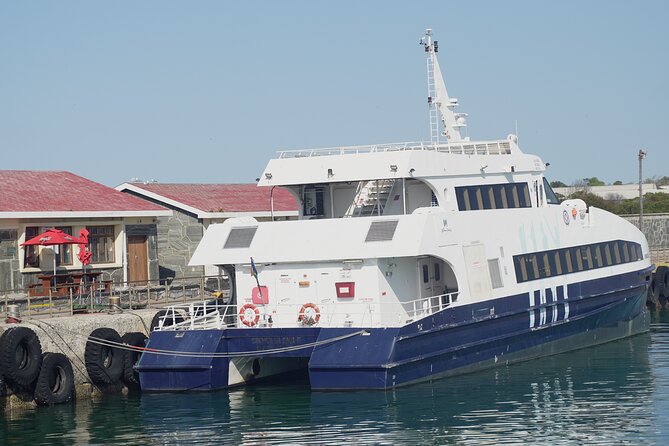
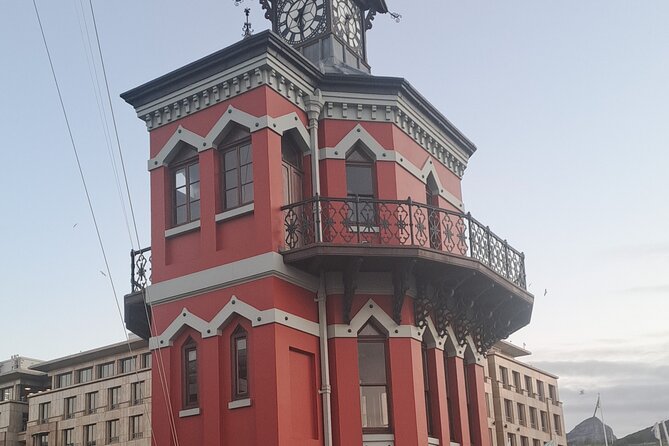
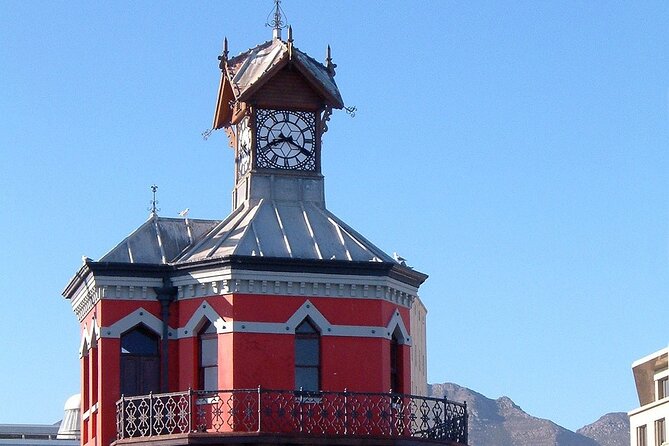
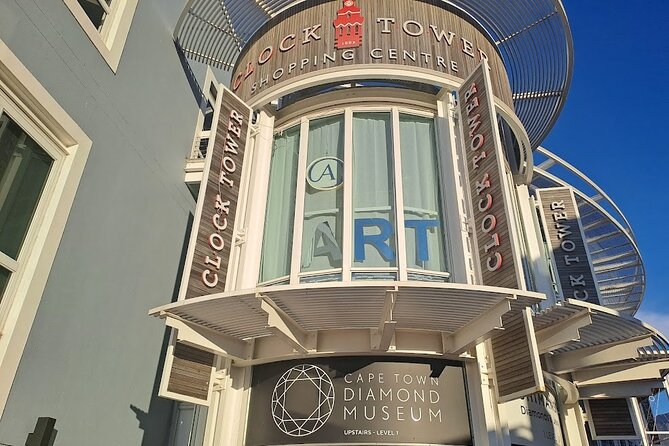
The day starts at the Nelson Mandela Gateway to Robben Island at the V&A Waterfront. You’ll want to arrive early enough to get through any check-in and to take in the area around the Waterfront Clock Tower before you board. Even if you’ve seen photos of Robben Island, the approach feels different once you’re actually headed out across the water.
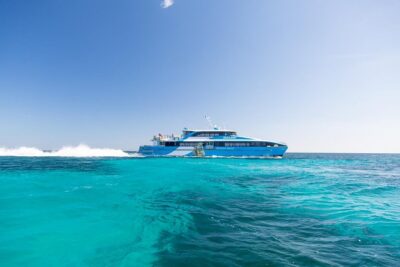
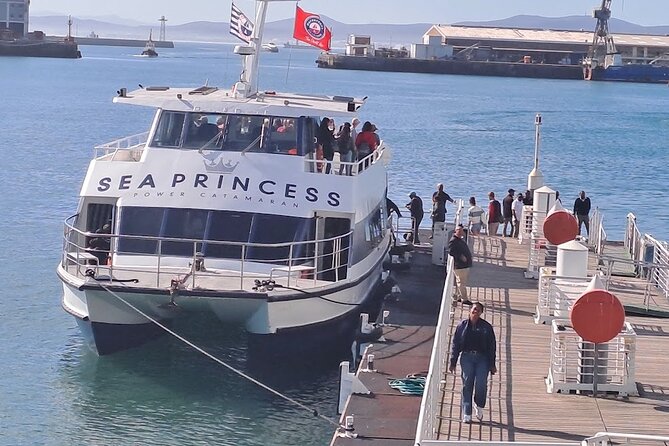
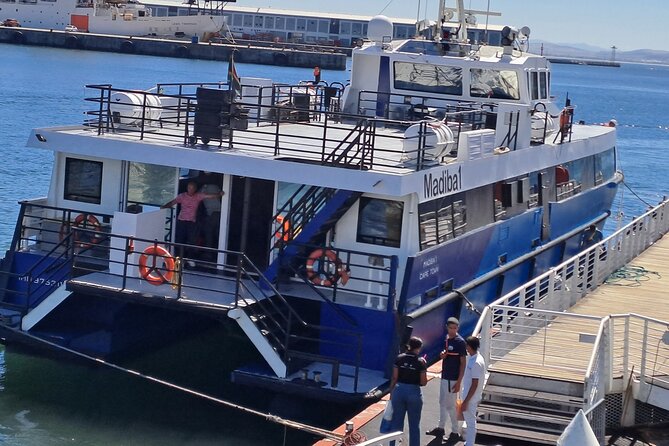
Then comes the ferry, roughly 30–45 minutes each way. It’s not just transport. Cape Town’s coastline and Table Mountain views make the crossing feel like a breather before the heavier content of the day. If weather is clear, you’ll enjoy the ride for what it is: a calm transition from city life into a place that carries world history.
One practical point: this is a weather-dependent experience. If conditions are poor, you could be offered a different date or receive a full refund. That matters if you’re on a tight schedule, so keep your calendar flexible if you can.
The guided bus tour: where the quarry and key sites come alive
Once you arrive, the tour moves into a guided bus circuit across the island. It’s about 1 hour of orientation and context, with stops at major historical points. This part is valuable because it gives you a mental map before you step into the prison areas.
One standout stop is the limestone quarry. The tour includes this site because it was where political prisoners, including Nelson Mandela, were forced to work. Hearing how the quarry fits into the larger system of punishment and control helps you connect the dots. Instead of seeing buildings and walls, you understand what happened there and why it was designed that way.
You’ll also get a sequence of stops meant to explain the island’s role in apartheid imprisonment. The bus portion tends to work well for most people because it keeps you moving and gives you structure. You won’t be guessing what you’re looking at.
A small caution: the bus tour is guided and time-based, so if you like to linger and take your time with photos, you may feel a little pressed. Still, it’s the fastest way to see the island’s major sites without turning the day into a full-day hike.
Maximum-security prison: the tour’s most intense hour
The heart of the visit is the maximum-security prison tour, also about 1 hour. This is where you’ll feel the weight of the place. It’s not a scenic stop. It’s built around confinement, routine, and survival.
The strongest element here is the kind of guidance you get. The museum tours are often led by guides who share personal stories from their time as political prisoners. When someone describes what daily life meant on that island, the history doesn’t sit in the past. It becomes specific: what they did, what they endured, and what they held onto mentally.
This is also a good reason the experience is so moving even for people who already know Mandela’s story. You’re not only learning events. You’re hearing how imprisonment shaped people, choices, and resistance.
If you’re sensitive to heavy topics, plan your pacing. You might want a quiet moment before or after the prison segment, especially if you’re traveling with family or friends who may find the content emotionally difficult. The site is powerful, and your body will feel it even if you don’t expect to.
Mandela’s cell: a short visit that hits hard
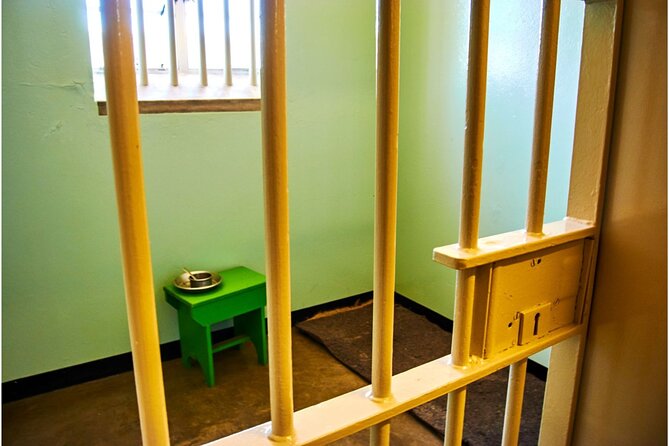
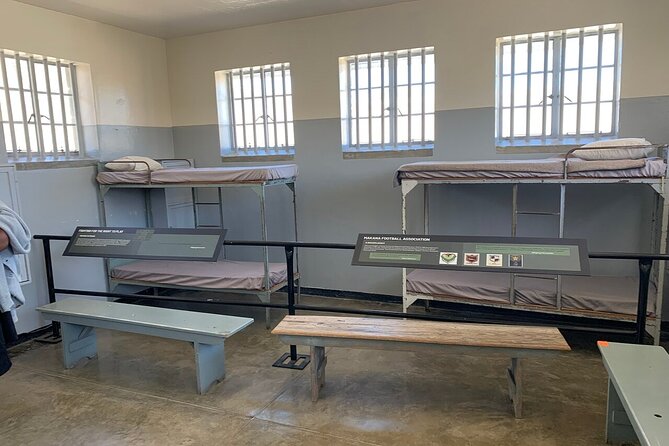
After the prison circuit, you move into a quieter, more focused segment: Nelson Mandela’s cell. Expect about 30 minutes here. That time limit is noticeable because it keeps the visit concentrated. You don’t get to rush past the cell, but you also don’t get so long that it turns into something casual.
This is one of the best parts to slow down your thinking. Mandela was incarcerated for 18 of his 27 years in prison. The tour doesn’t just tell you that fact. It makes you stand at the location tied to those years, and that’s what changes the experience from informative to personal.
If you care about accuracy and context, this stop also helps you connect the human scale of one life to the larger machinery of apartheid. You can see how a single story became a global symbol, while knowing it was rooted in a daily reality of confinement.
Walking time on the island: simple, but don’t underestimate it
Between bus segments, you’ll have time for walking—about 30 minutes for moving between the bus and key areas. It’s not described as a long hike, but it does affect your comfort planning. Wear shoes you can stand in for a while. Bring a layer for wind off the water.
This “in-between” walking time is also when the day can feel a bit compressed. You go from bus to prison to cell to another quick move. If you like long breaks, you may not get them.
Still, the pace makes sense for a structured museum visit. The tour is designed to cover major sites in roughly 4 hours 30 minutes total, with ferry time built in.
Price and real value: what $82.32 includes
The price is $82.32 per person, and the tour notes group discounts. On paper, that might sound like a lot for a day trip. When you break it down, it becomes easier to judge.
What’s included:
- Return ferry ticket
- Guided tour with a former political prisoner
- Bus tour
- Museum admissions tied to the segments you visit
What’s not included:
- Hotel pickup and drop off
That last point matters. Even though the tour name mentions one-way hotel transfer, the details provided say hotel pickup/dropoff isn’t included. So you should plan on getting yourself to the meeting point at the V&A Waterfront. If you’re counting on a transfer, double-check before you go, because the value calculation changes fast if you still need to pay for transport to and from the dock.
Also, booking tends to be done about 14 days in advance on average. That doesn’t guarantee availability, but it’s a hint that this trip can sell out for certain dates.
What you’re really paying for is access: a ferry ride, admissions, and—most importantly—the guided format that connects the locations into a coherent story. If you’re interested in apartheid history, Robben Island can’t be replicated by walking around on your own with generic info. The guidance is the product.
Small group size helps the experience land
This tour caps at 20 travelers. That’s a meaningful difference on an emotionally intense site. You’re less likely to get lost in a crowd, and the guide can keep the group together through the bus and prison flow.
Group size also influences how questions work in real life. If you tend to ask practical questions—about what you’re seeing, why a place matters, or how routines differed—you’ll likely get a better response in a smaller group than in a huge coach setup.
Who should book this Robben Island ferry tour
This is a strong fit if you want:
- A guided, structured visit to major historical sites
- The chance to hear personal stories from guides connected to the political prisoner experience
- A day trip that mixes scenery (the ferry crossing) with deep learning
You might want to rethink if:
- You’re extremely schedule-tight and can’t adjust for weather
- You’re likely to be frustrated by redeeming tickets on-site and possible waiting time at the dock counter
- You’re looking for a light, casual sightseeing day
If you’re traveling solo, it’s also a good choice. You’ll have a clear plan, a group structure, and you won’t need to decode logistics.
The booking and ticket reality check (based on what to expect)
The experience includes admissions and ferry, but one key lesson is timing at the dock. One recent review noted that ordering and obtaining tickets was tricky, and it took 20 to 30 minutes at the ticket counter before tickets were finally sorted. That’s not a reason to avoid the trip, but it’s a reason to arrive with breathing room.
My practical advice: build in extra time at the V&A Waterfront. Aim to show up earlier than you think you need. If you’re coming from another part of Cape Town, consider leaving earlier than your navigation app suggests so you’re not rushing at the last second.
Should you book Robben Island with this ferry-and-museum plan?
If you care about real historical context and you want a guided visit led by people with personal links to political imprisonment, I think this is a smart booking. The ferry from the V&A keeps logistics simple, and the combination of bus tour, prison segment, and Mandela’s cell gives you a clear arc—from systems to people.
Just don’t underestimate the day emotionally, and don’t ignore the on-site ticket experience. If you arrive early and keep your schedule flexible for weather, this tour can be one of the most meaningful parts of a Cape Town trip.
FAQ
How long does the Robben Island ferry and museum tour take?
The total experience duration is about 4 hours 30 minutes (approx.).
What does the tour price include?
It includes a return ferry ticket, a guided tour with a former political prisoner, and a bus tour.
Where do I meet for the tour?
You meet at the Nelson Mandela Gateway to Robben Island at the V&A Waterfront in Cape Town. The tour ends back at the same meeting point.
Is hotel pickup or drop-off included?
No. Hotel pickup and drop-off are listed as not included.
What happens if the weather is bad?
This experience requires good weather. If it’s canceled due to poor weather, you’ll be offered a different date or a full refund.
Are service animals allowed?
Yes, service animals are allowed.